Why Webflow Is the Best Website Building Tool in 2026
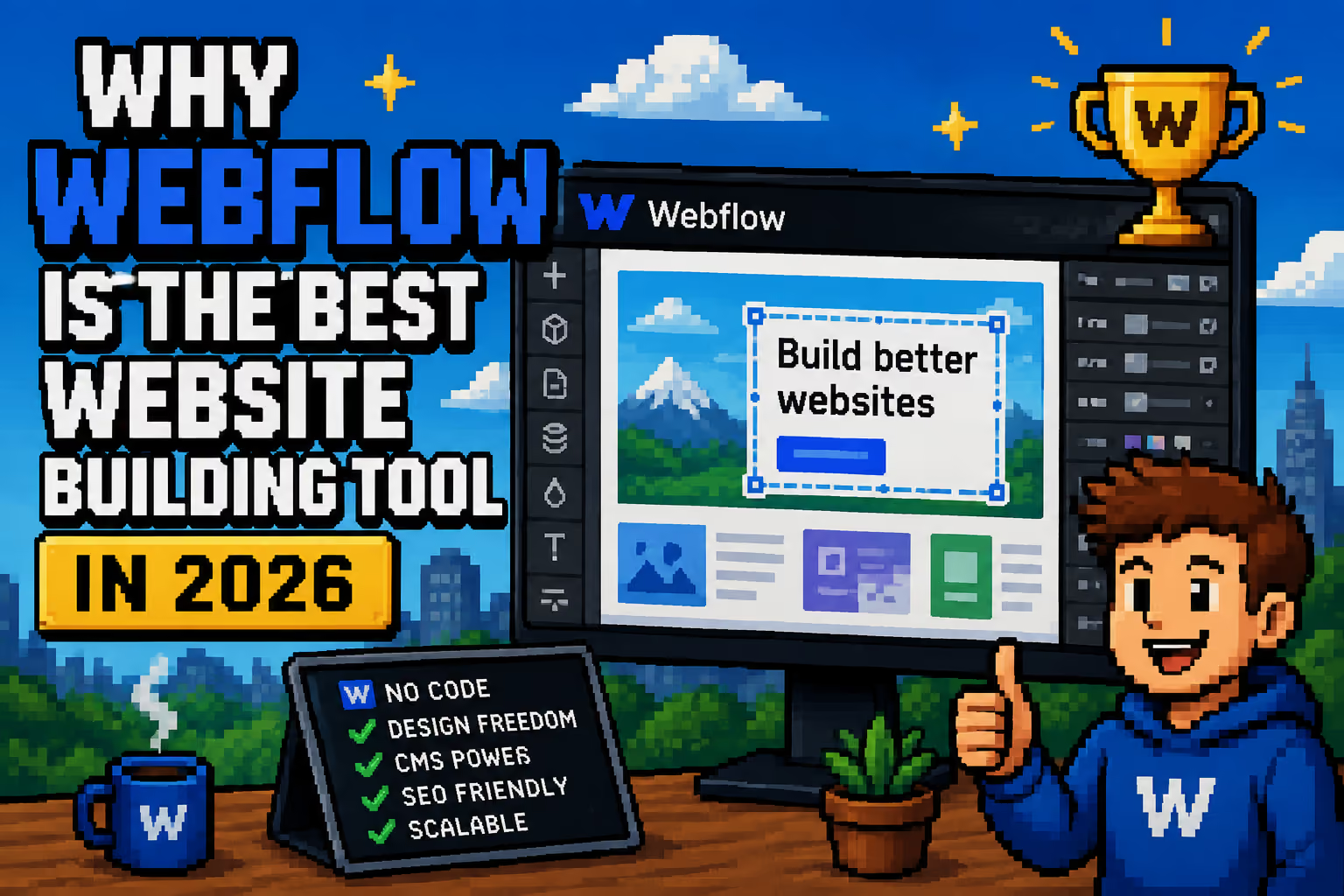
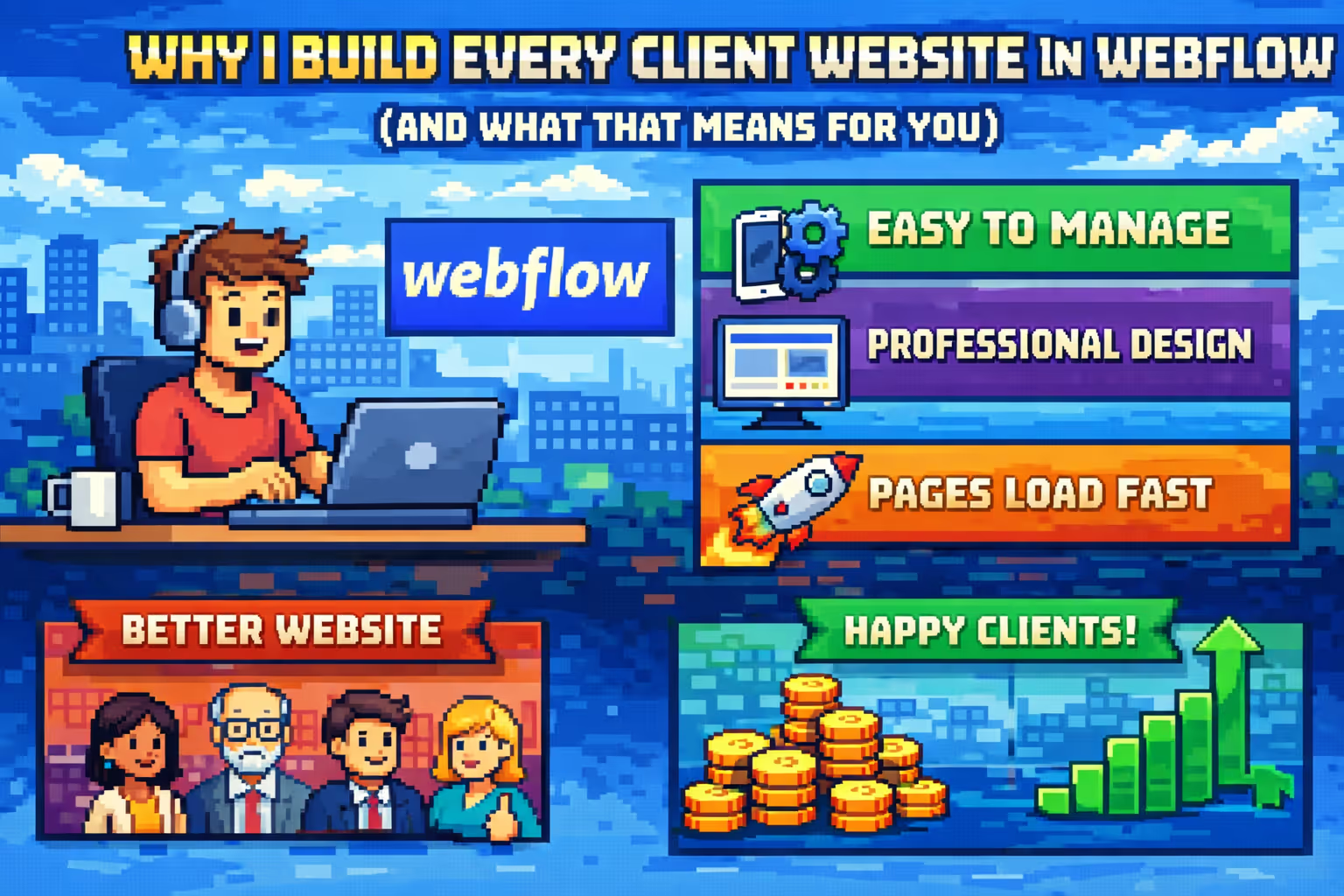
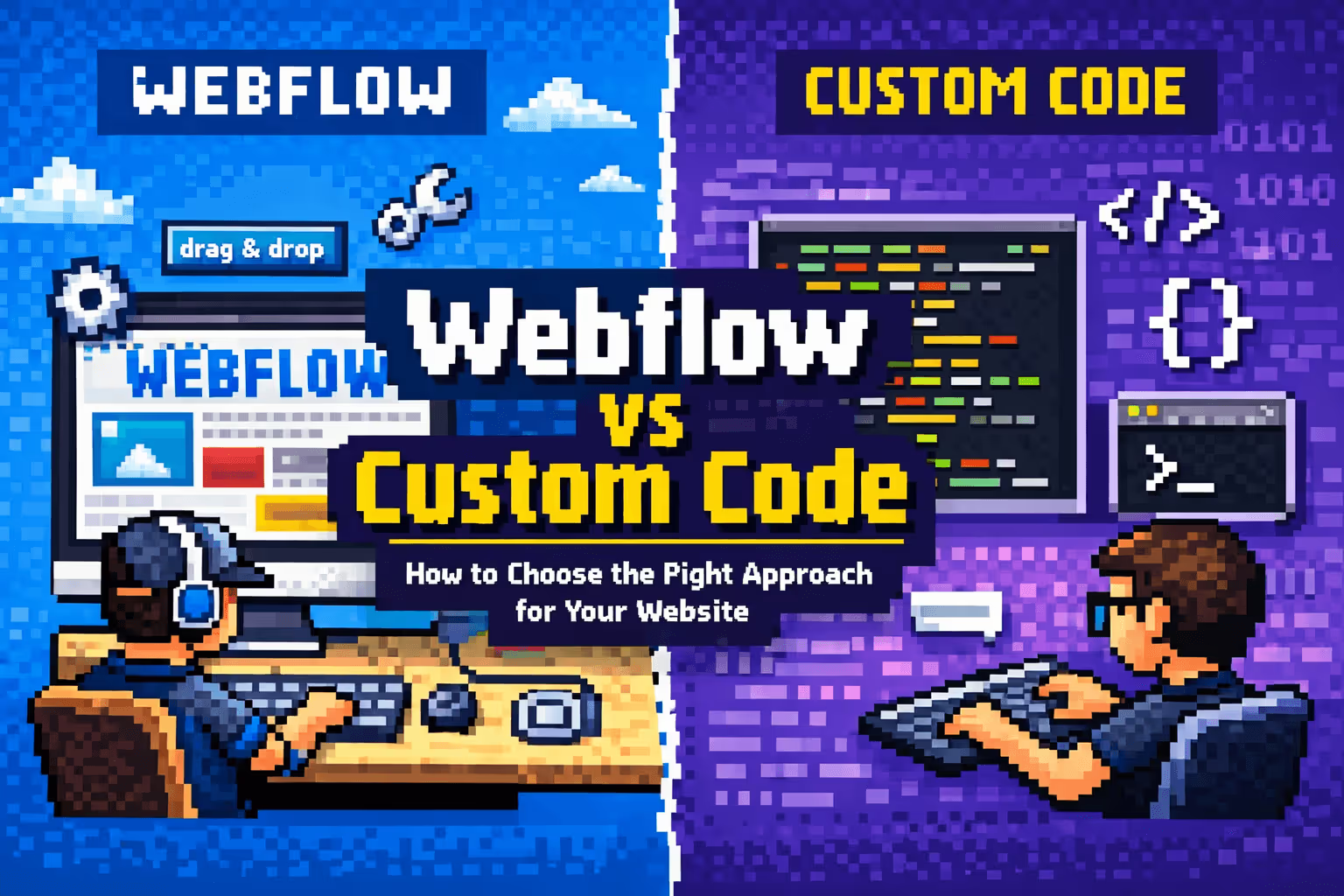
In 2026, Webflow has become the most complete website building tool because it combines CMS, security, scalability, a design system, and AI tools into a single platform, without needing dozens of plugins or separate services. That means faster development, less technical debt, and sites that are ready for both classic SEO and the new AEO reality of search.
Here's why.
A Native CMS That Actually Works for Marketing Teams
The Webflow CMS isn't an add-on, it's built into the core of the platform. Collections, reference and multi-reference fields, rich text with full control, all of that lets marketing teams update content on their own without touching the design or needing developer help for every small change. There's no need for a headless CMS integration, API calls you have to maintain yourself, or a separate admin panel that looks like it's from 2015.
Security Built Into the Platform Itself
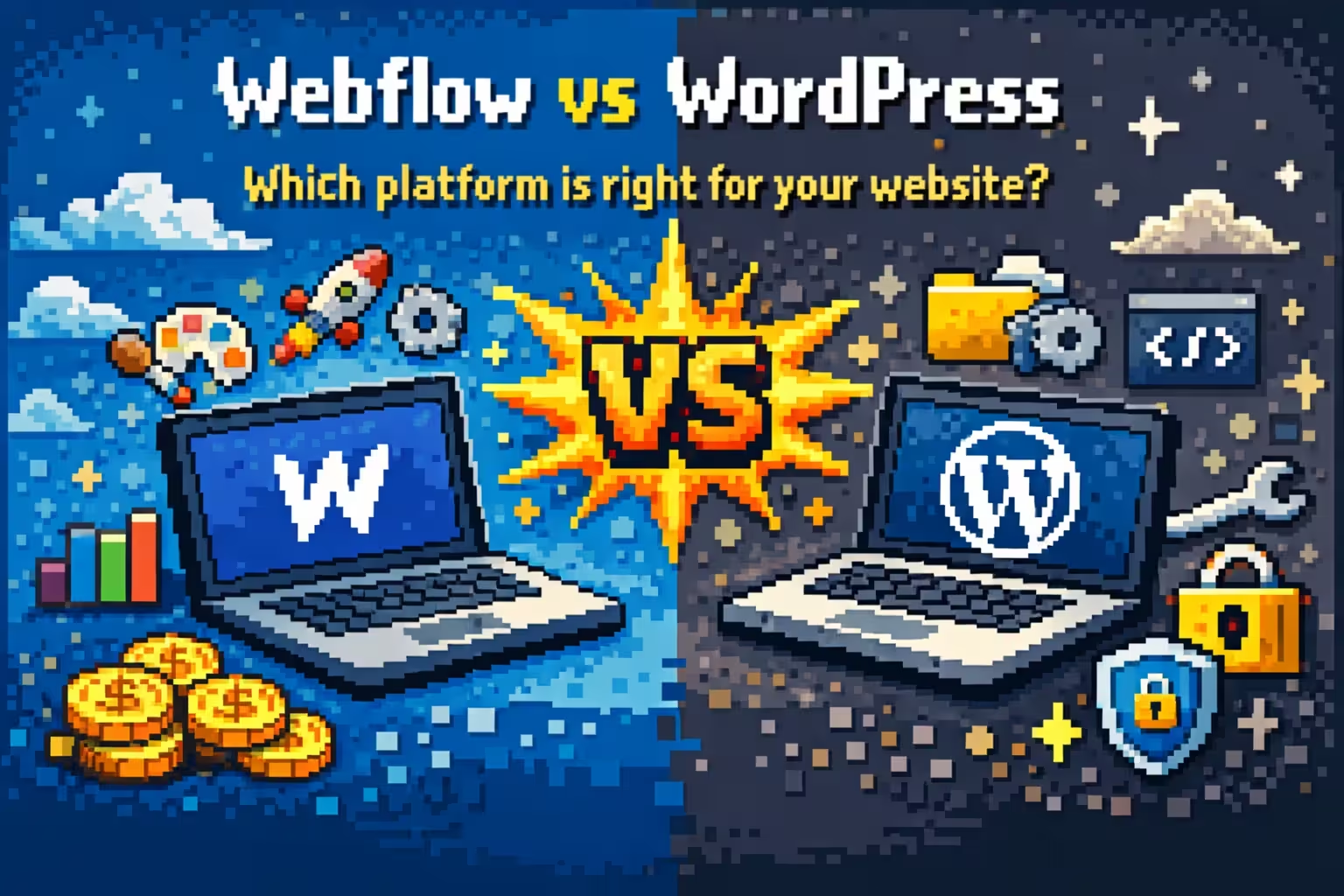
This is one of the most underrated reasons. With WordPress, the majority of security issues come from plugins, not from the core system itself. Webflow removes that problem entirely since it's hosted on its own infrastructure, with automatic SSL certificates, regular platform-level updates, and no third-party plugins opening up holes in the system. Fewer moving parts means fewer attack surfaces.
Scalability Without Thinking About Servers
A site hosted on Webflow runs on a CDN and automatically adjusts to traffic. There's no need for caching plugins, server optimization, or worrying about what happens when a site gets an unexpected spike in visitors. That matters a lot for B2B SaaS companies and marketing teams that don't want to think about infrastructure, they want to think about results.
Native Tools That Replace an Entire Stack of Third-Party Services
In one platform today you get:
- Localization - multi-language support is built in, no third-party translation plugin needed
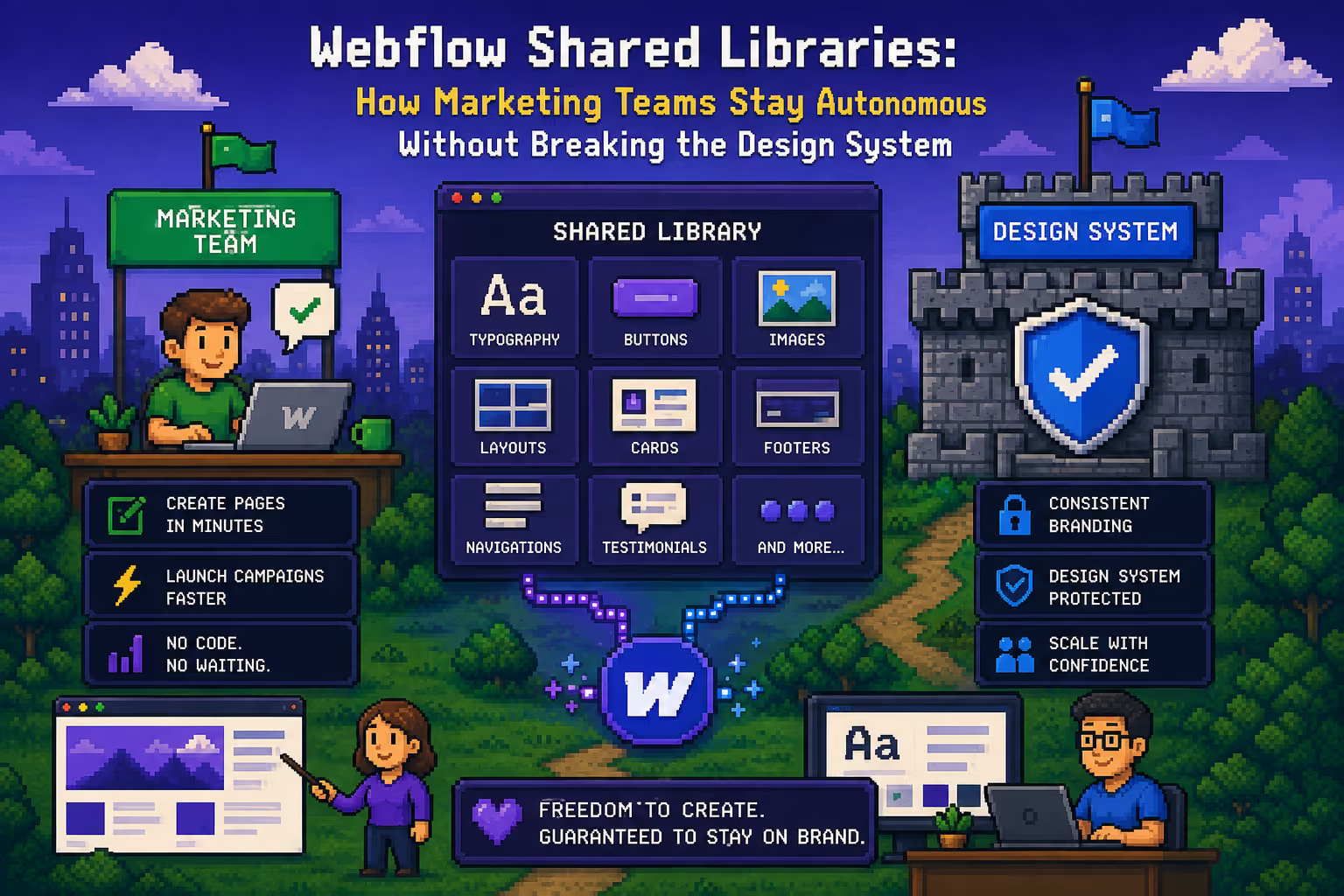
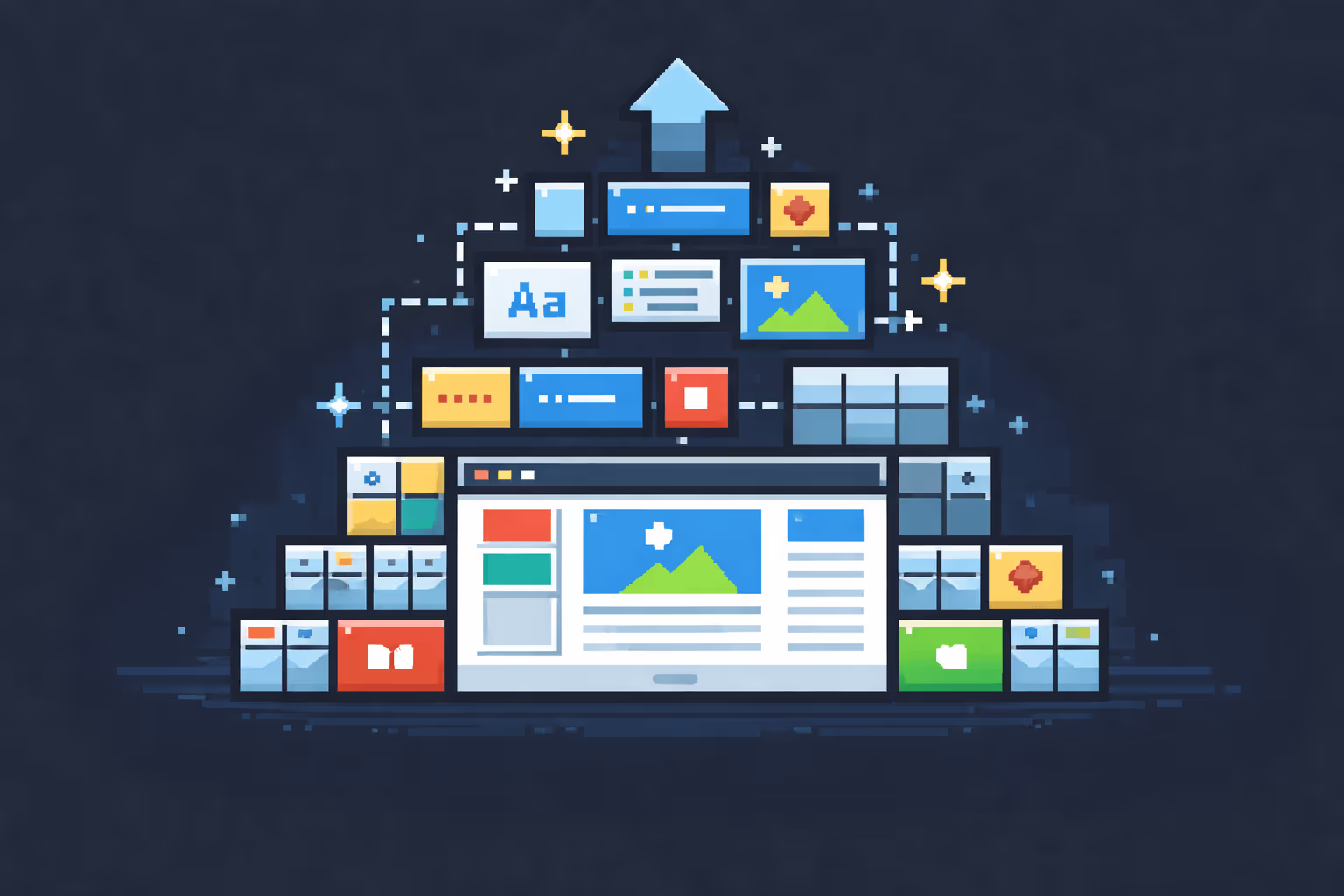
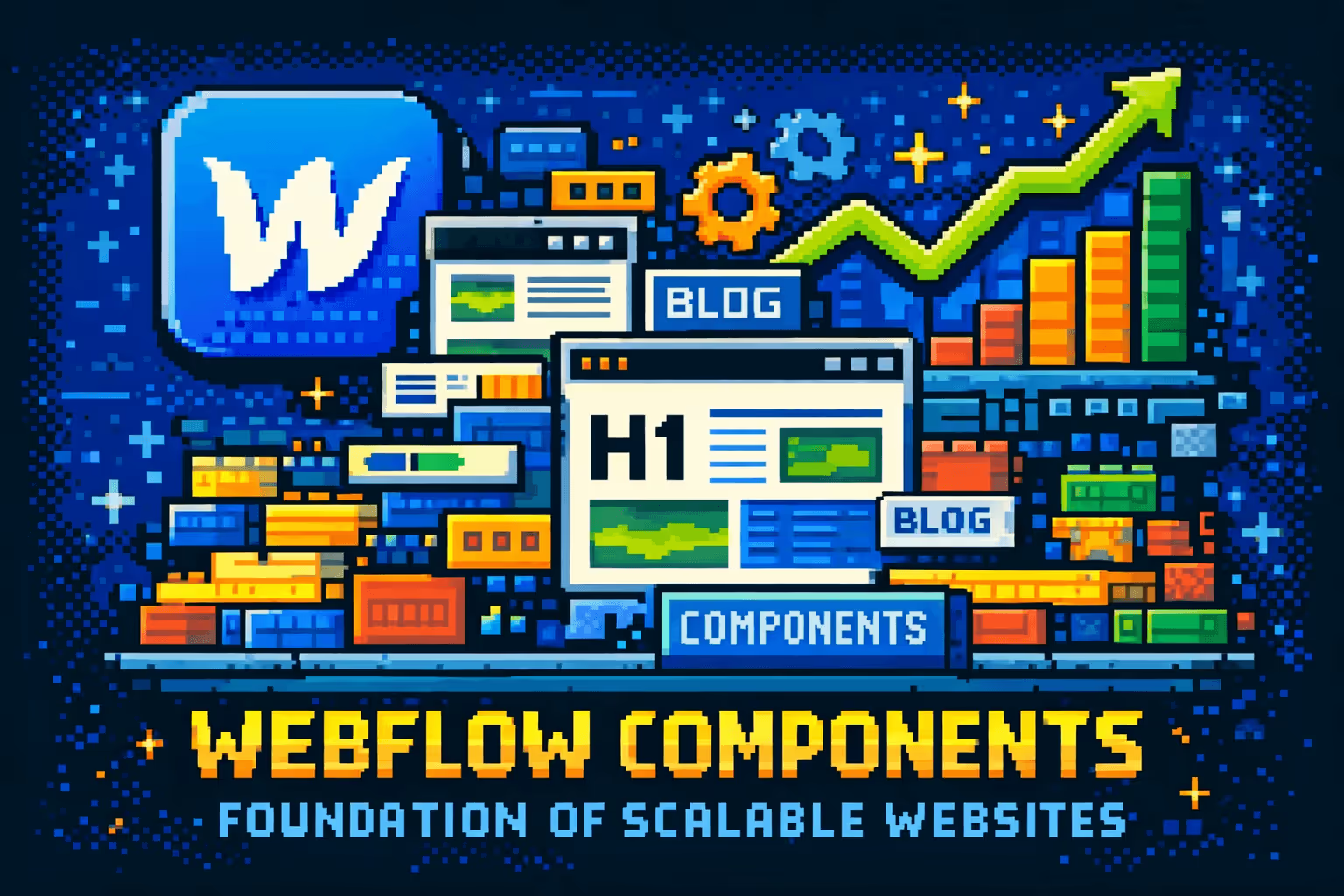
- Components and Variables - a real design system, a shared library used across the whole site and updated from one place
- AI Assistant - help directly in the editor for content and structure
- MCP integration - AI agents can work directly on the site, edit content, create pages, all through a standardized protocol
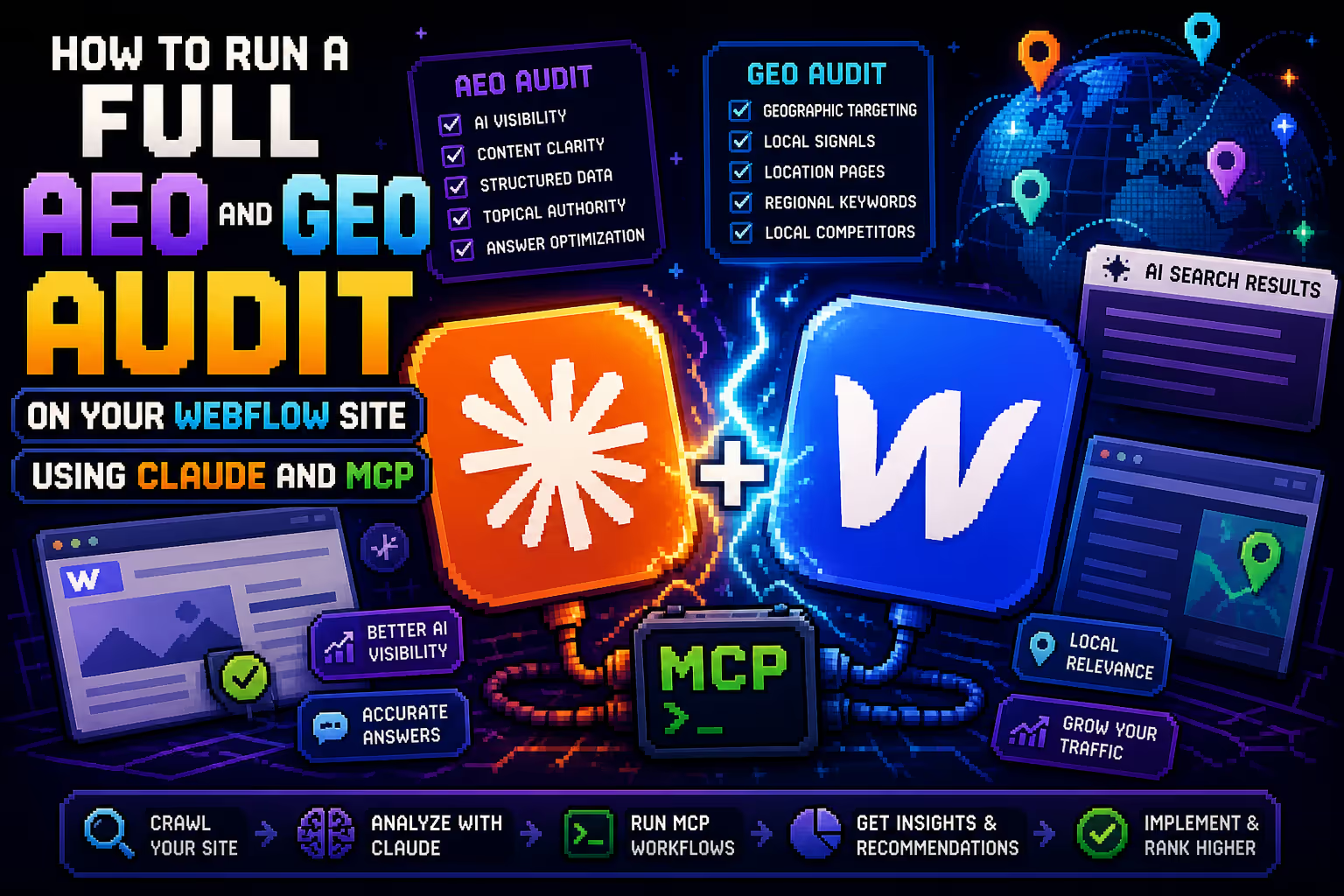
That last point is especially important and rarely gets covered. MCP opens the door for AI tools (including Claude) to communicate directly with a Webflow site, which means workflows that used to require manual work can now be automated.
Clean Code Without the Bloat
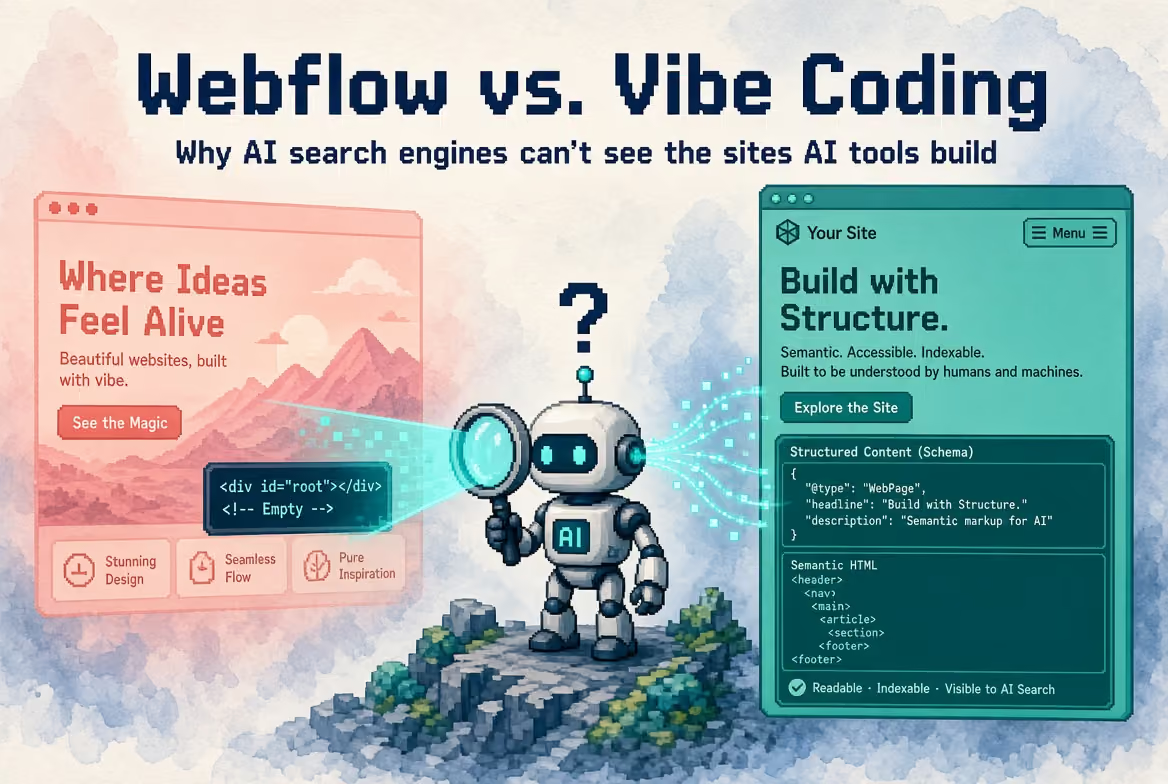
Unlike classic page builders, Webflow exports semantic HTML and CSS without the unnecessary bloat you get from tools like Elementor. That means faster loading, easier maintenance, and code a developer can actually read without a headache.
The Line Between Design and Code Is Disappearing
Webflow has signaled a direction where the gap between designer and developer keeps shrinking, not through one big leap, but through continuous platform improvement. The goal is for visual work and code to stop being two separate worlds with a conversion layer between them, and instead become one and the same process. That story isn't finished, it's an ongoing direction the platform keeps building toward.
Yes, There's a Learning Curve, and That's Fine
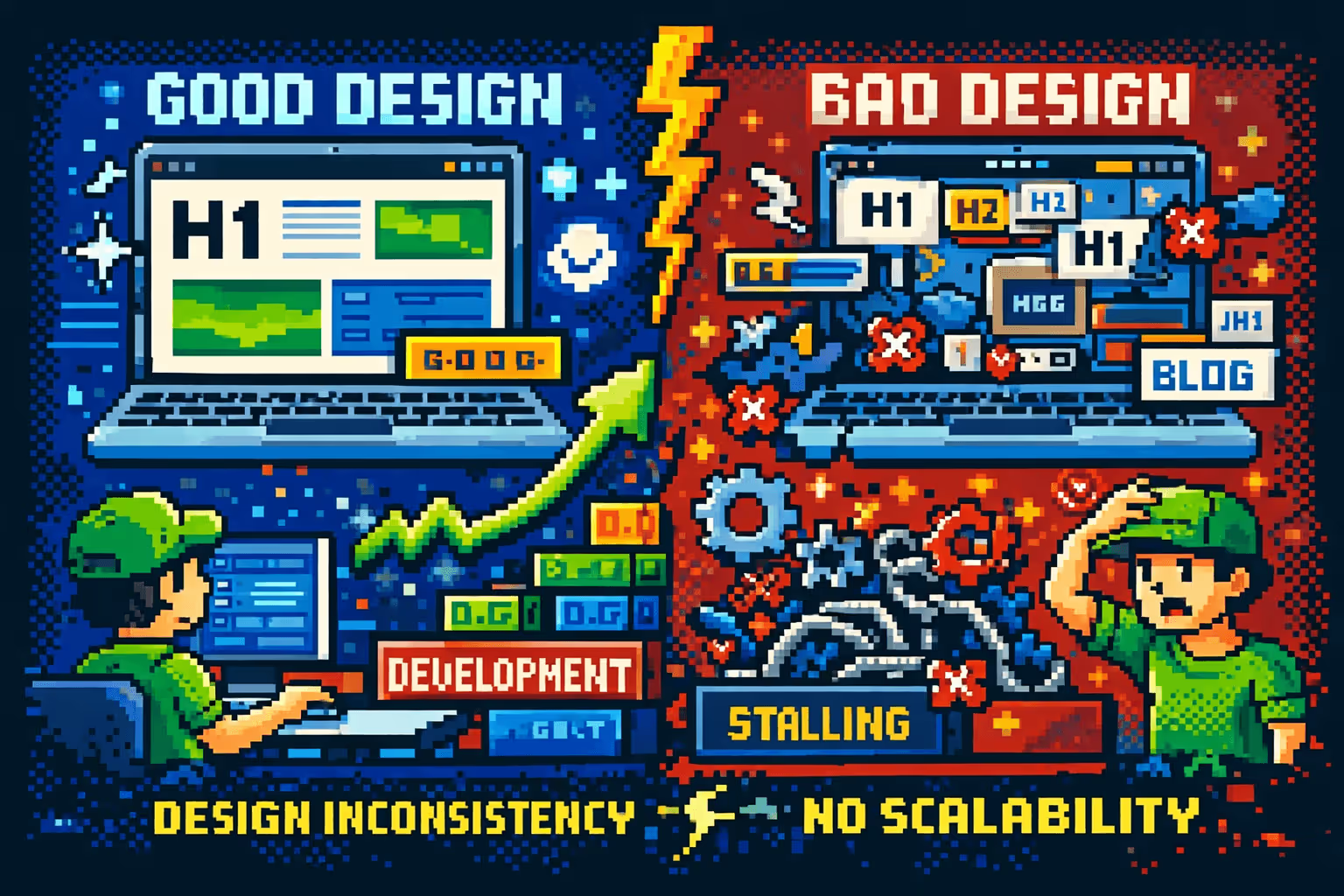
Honestly, Webflow isn't something you master in an afternoon if you don't have at least a basic understanding of web development. Class logic, style combinations, organizing Components, all of that takes time to learn properly. But that's not a downside, it's an investment. Once the system is set up correctly, the speed of delivery and ease of maintenance far outweigh that initial learning cost. There's a huge difference between a site that's thrown together and a site built on a real system.
SEO and AEO Built In From the Ground Up
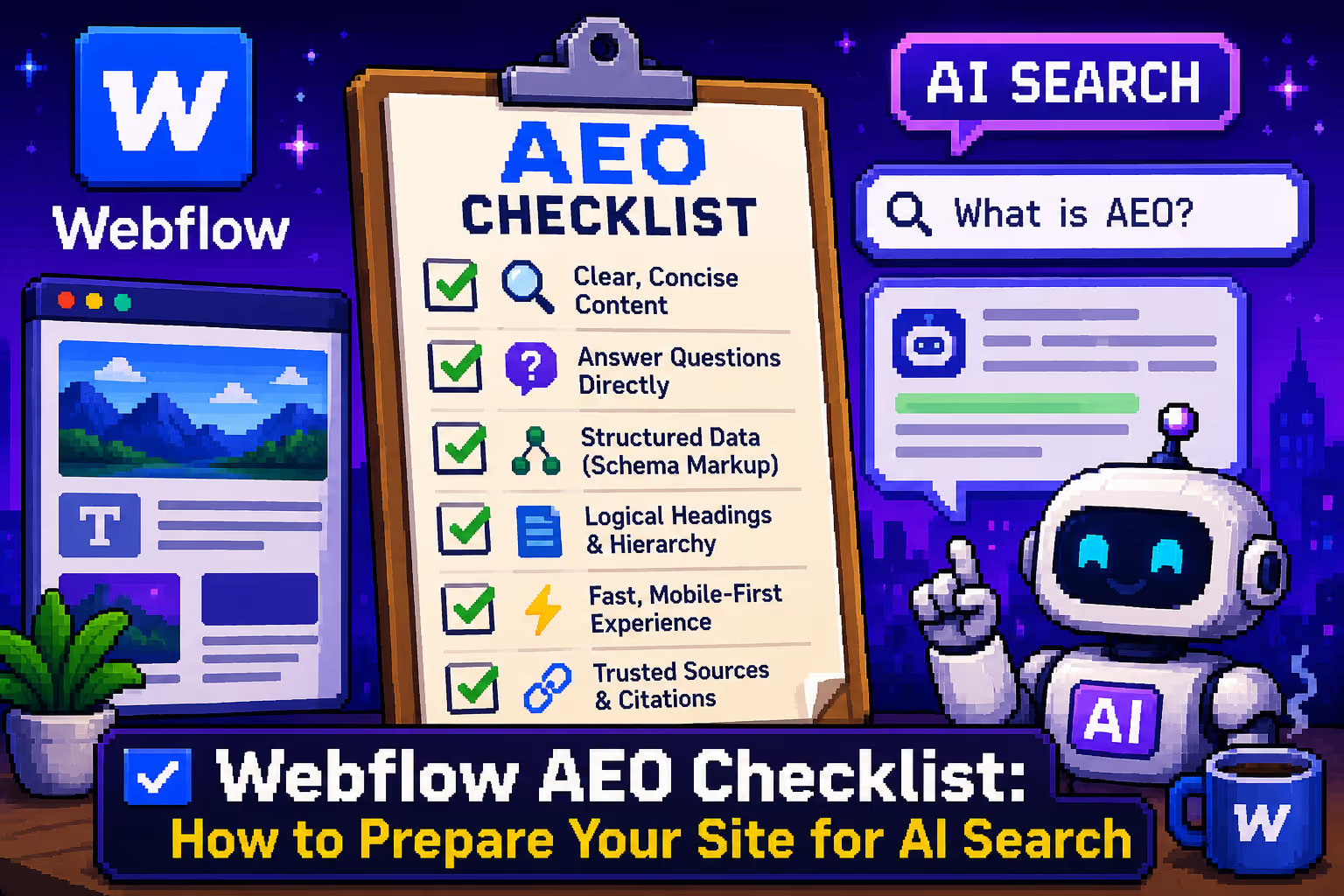
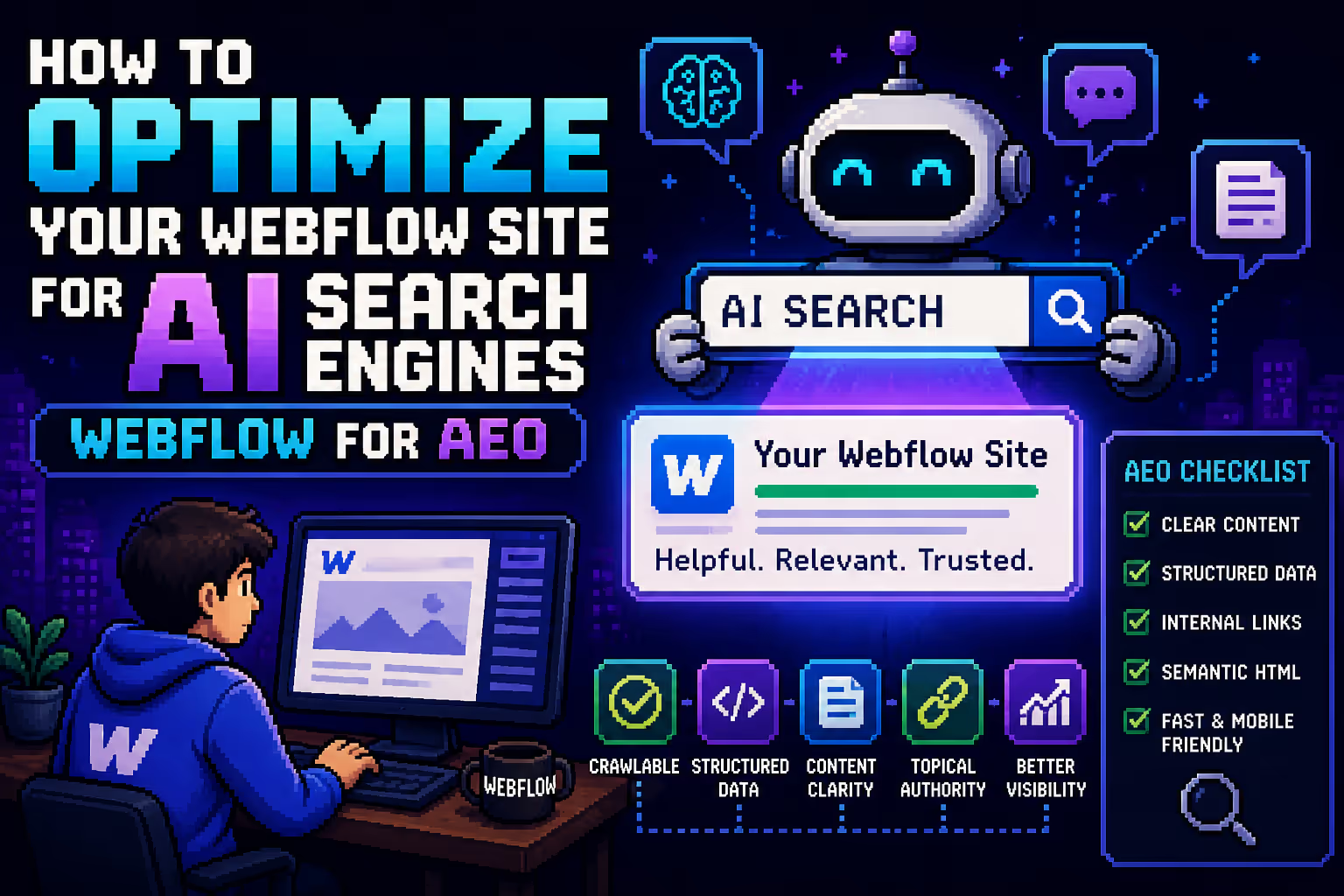
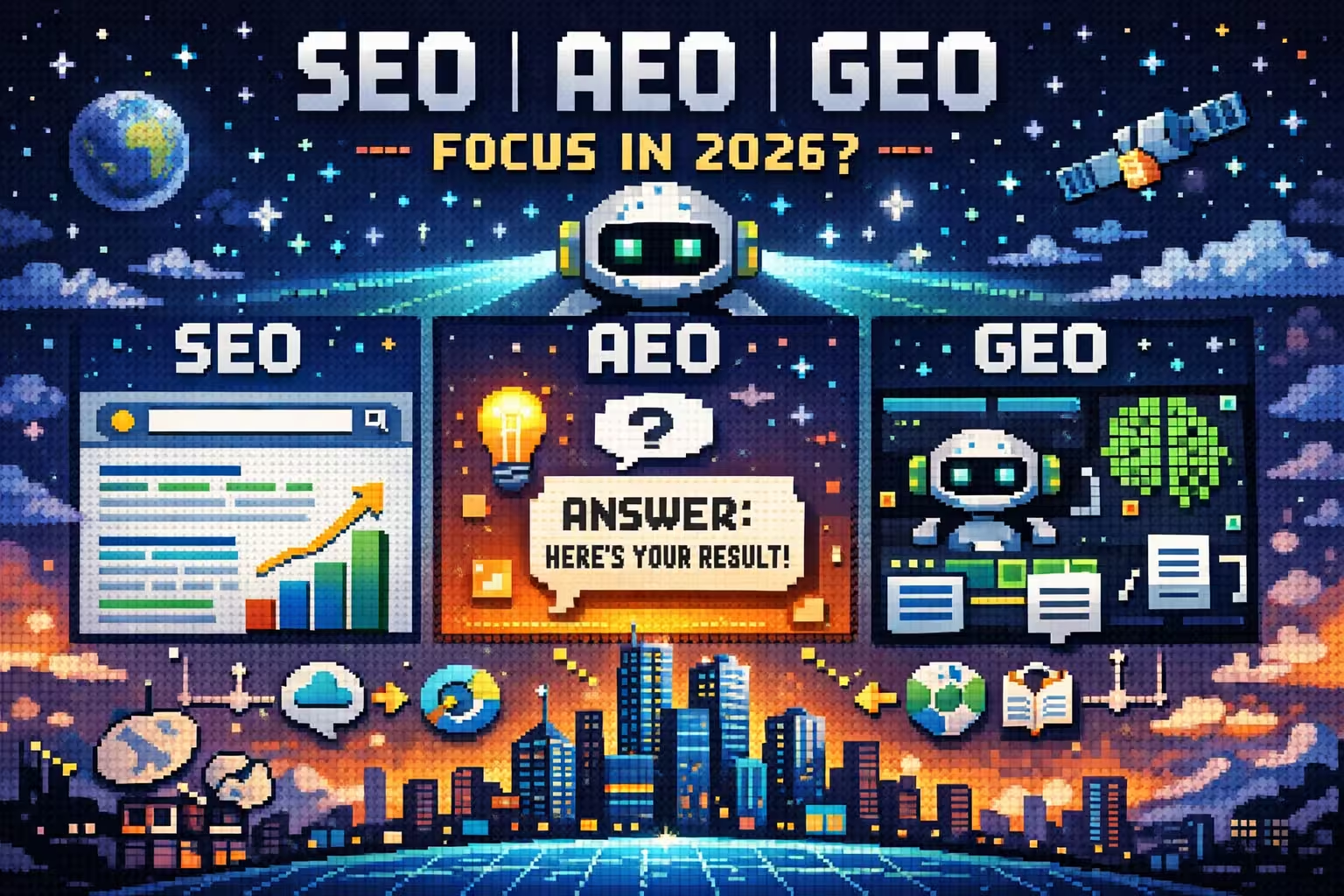
A Webflow site can be fully optimized for both classic SEO and AEO, meaning for AI models and assistants pulling answers directly from your content. That includes:
- Clear semantic structure (H1, H2, H3 as an actual hierarchy, not a design choice)
- Fast page load times, which is both an SEO and AEO factor
- Schema markup, generated and added either through custom code or Webflow's native SEO settings
Conclusion
Webflow in 2026 isn't just a "website builder," it's a platform that brings CMS, security, scalability, a design system, and AI together into one coherent system. There's a learning curve, but the payoff is a system that works for you instead of one you're constantly fixing after the fact.

Milan Kostic
Freelance Webflow Developer