Source by Webflow: Webflow's Answer to AI Website Builders
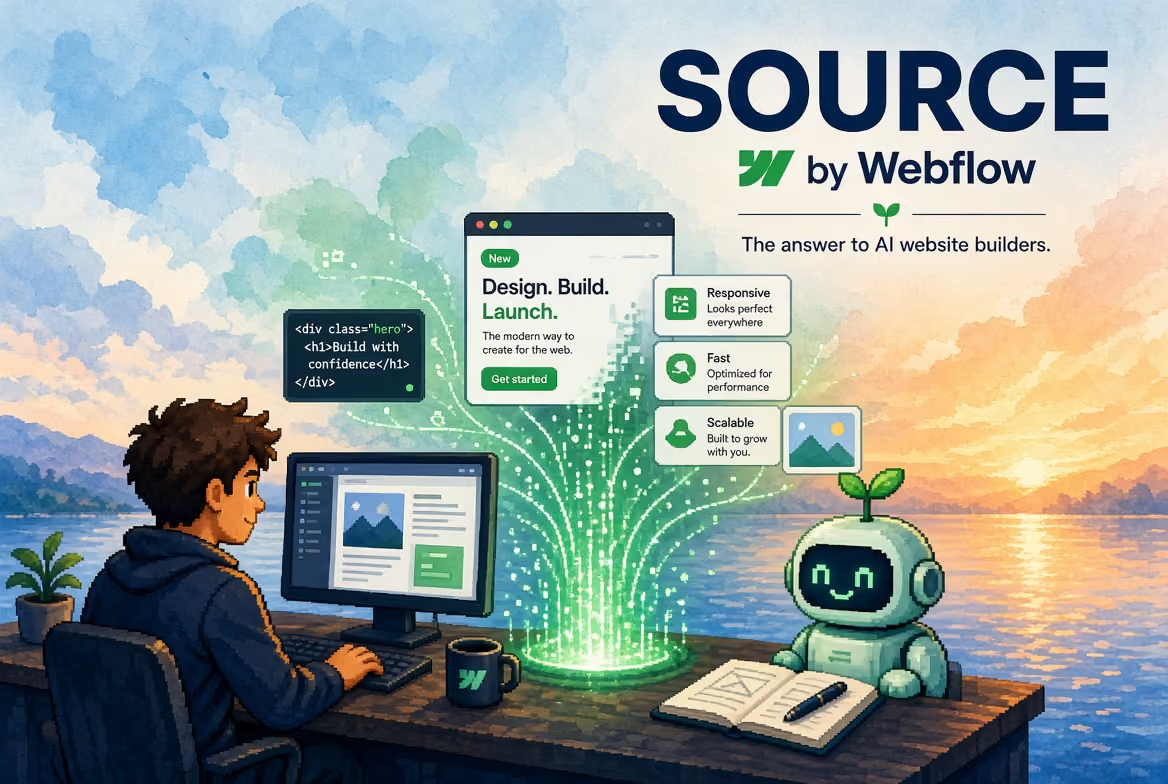
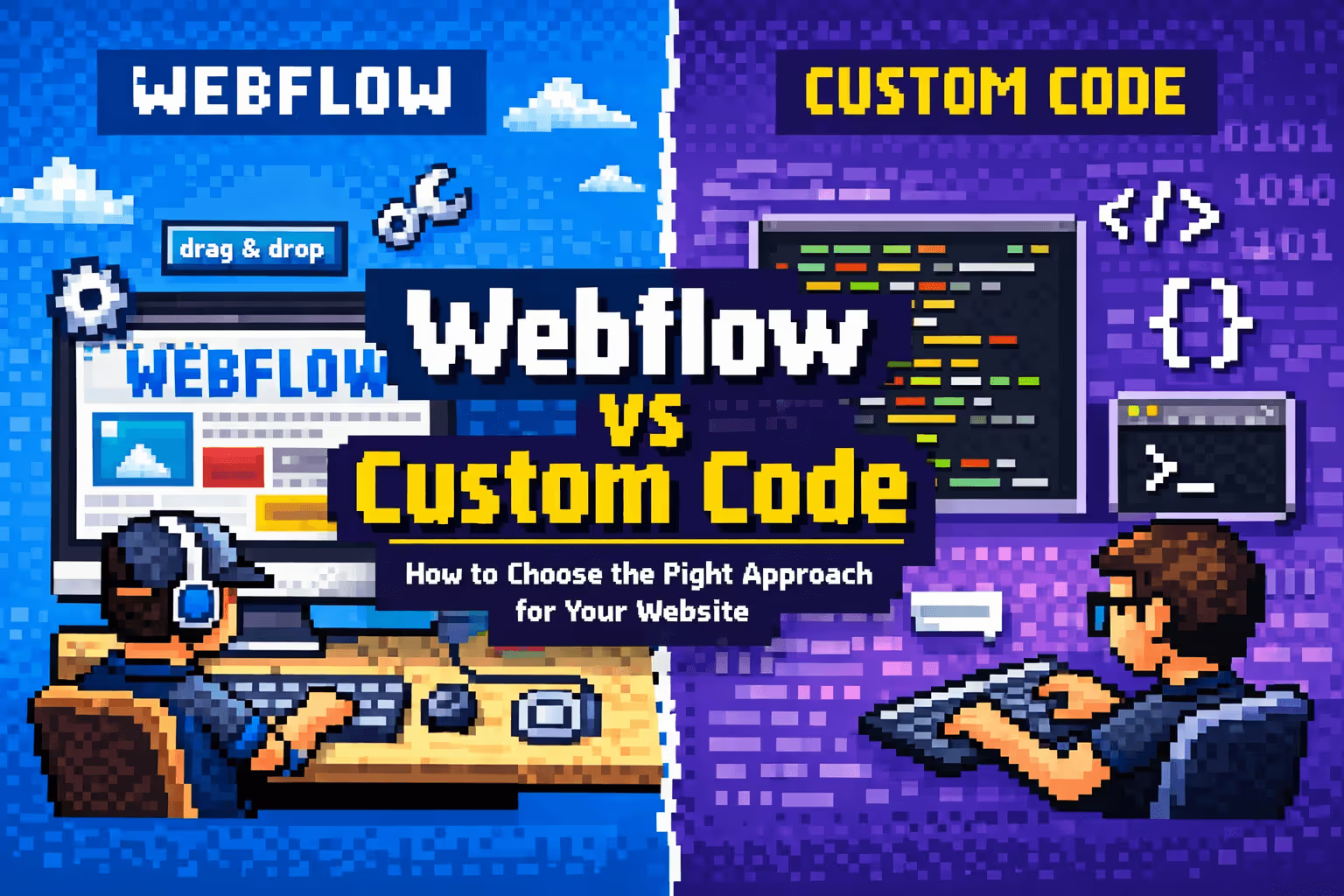
Webflow just walked away from the core assumption its entire platform was built on: that non-developers need a visual abstraction standing between them and real code. Back in August, the company published a post admitting what that abstraction had always cost, what you design in Webflow and what actually ships to the browser have never been quite the same object. They said code was becoming the source of truth, with the full reveal promised for Webflow Conf in September. That reveal has a name now: Source by Webflow.
Source is not an update to the Webflow you already use. It is a separate, new platform, currently in a limited research preview, built around one idea: marketing teams and AI agents working on the same real codebase, together.
What Source Actually Is
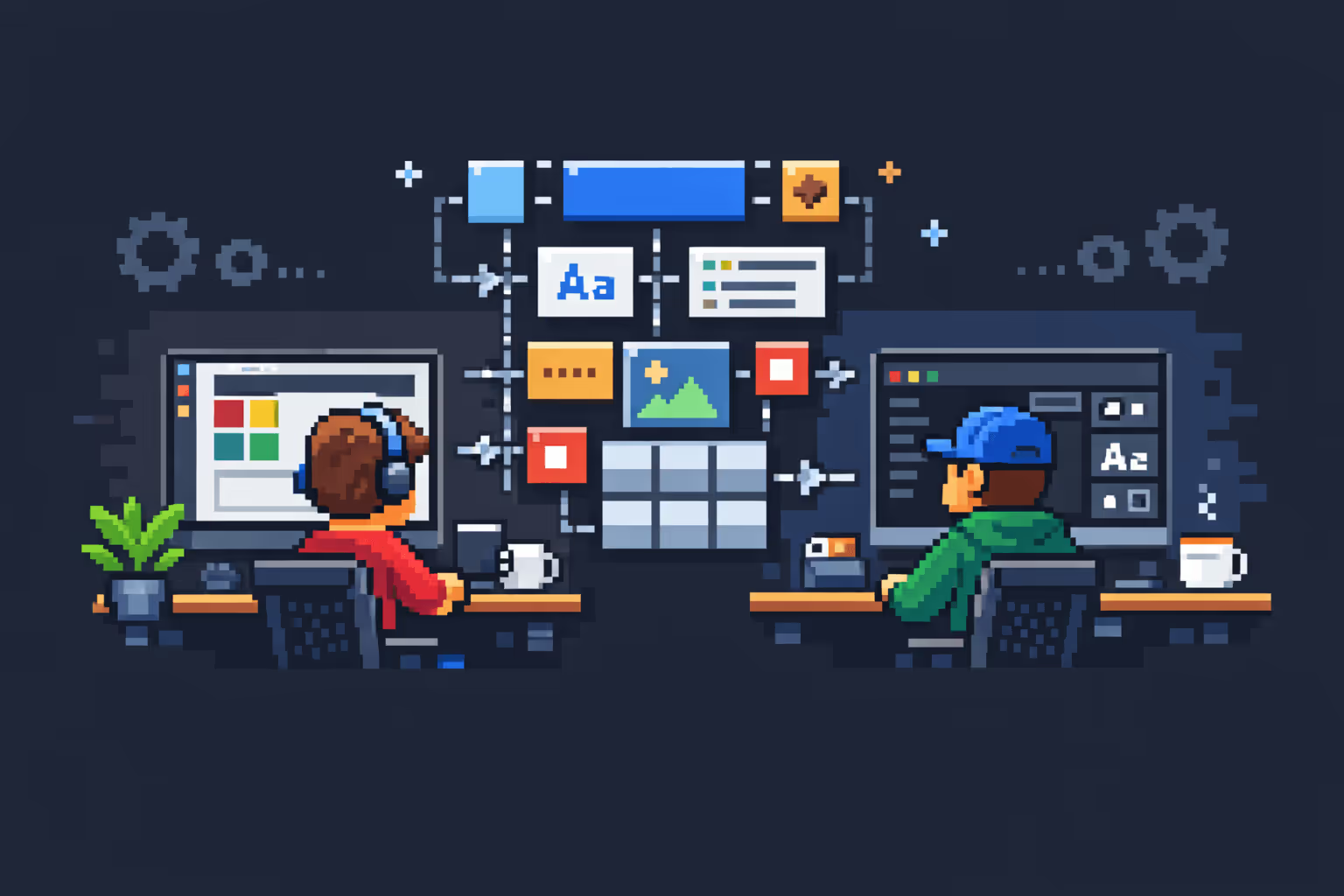
Source describes itself as a shared home for marketing teams and their agents. Every marketer, designer, and developer gets a workspace tailored to the job they own, called a View, whether that is CMS management, content review, brand governance, or an activity audit log. Agents sit alongside those Views, not as a chatbot in the corner, but as always-on teammates that monitor performance and flag opportunities directly in an Inbox, with the fix already drafted and waiting for approval.
The technical foundation is the part that matters most. Source works directly on real code, on any stack, including sites already built on Webflow. Connect a Next.js or Astro codebase, or your existing martech stack, and Source orchestrates across it. Nothing here is fake or backend-abstracted; the agents have direct access to the code that ships.
Why This Reads as an Answer to AI Website Builders
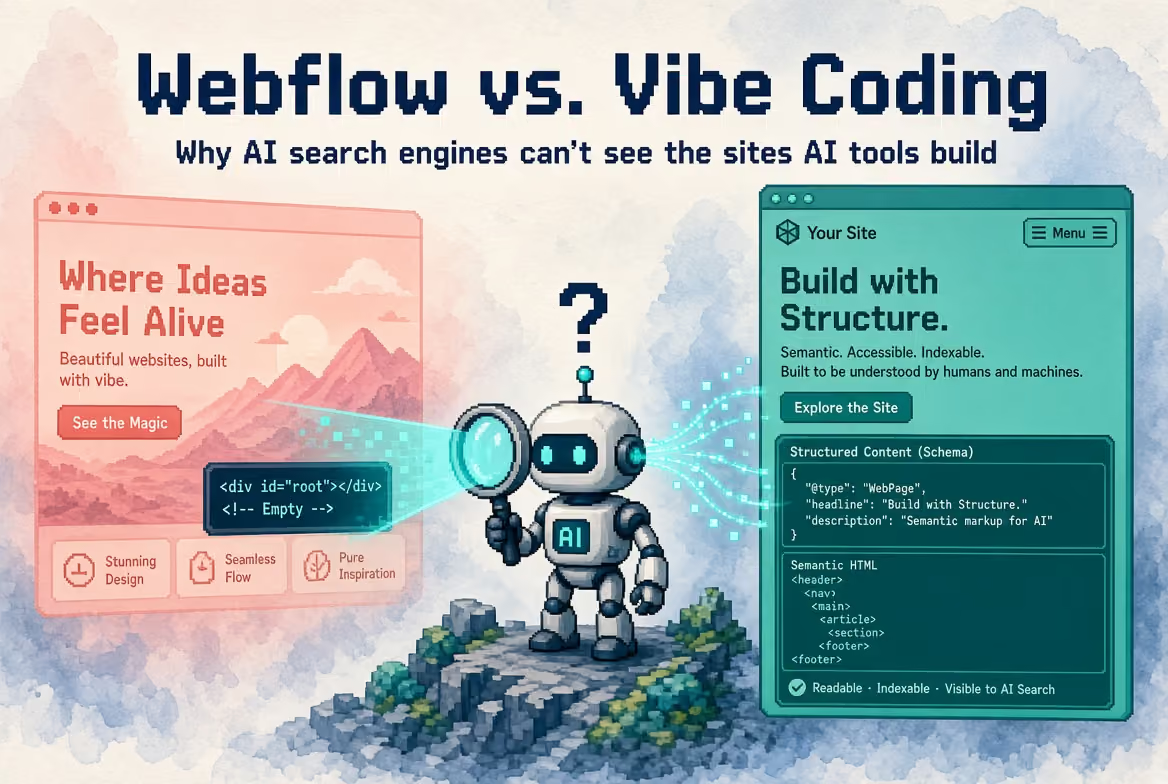
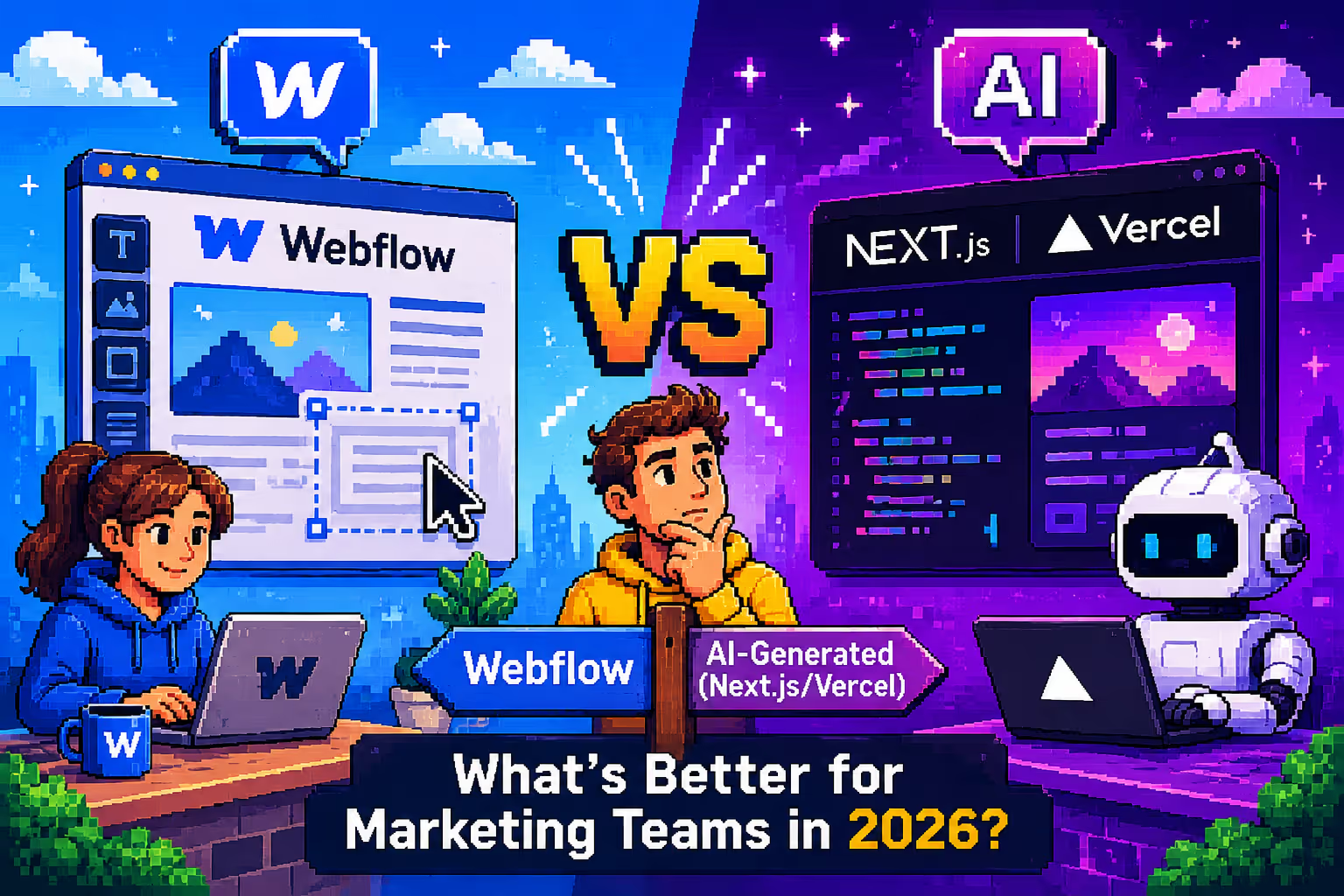
Tools like Lovable, v0, Bolt, and Cursor made "describe it and get a working site" the default way to build in 2026. The trade-off has always been what happens after that first build: content lives in code files or a separately configured headless CMS, and every change beyond a quick edit needs a developer or a prompt session with someone technical.
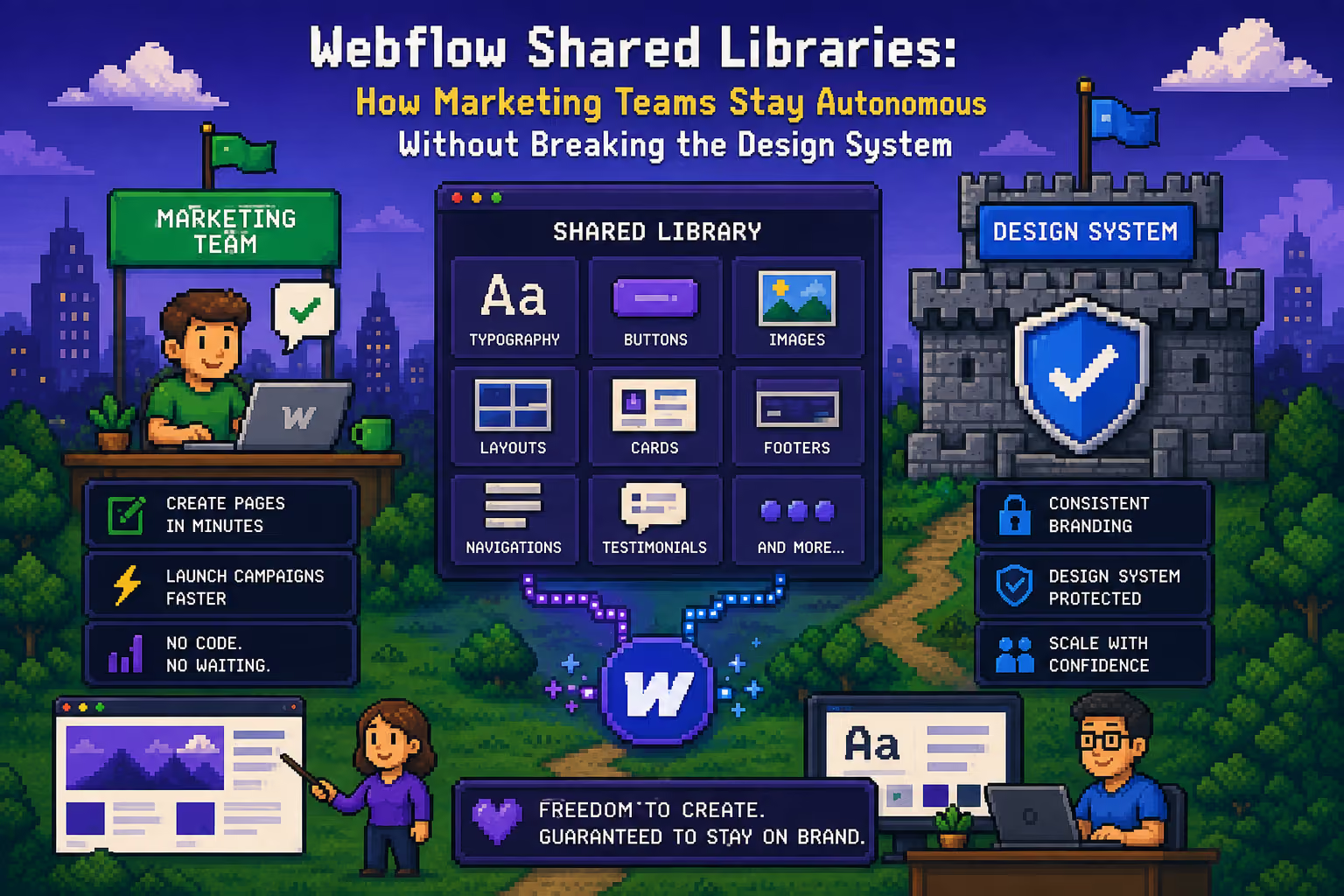
Source is Webflow's attempt to close that gap from the other direction. Instead of an AI-generated codebase that a marketing team can't touch, Source gives a marketer their own workspace on the same codebase an agent is working in, with permissions, review paths, and audit trails built in from day one. A CMO can approve a new blog post while a product marketer ships an agent-drafted page update, both working on the actual code, neither one needing to open an editor.
That is a meaningfully different pitch than "AI builds your site." It is closer to "AI and your whole team maintain your site, on the code itself, indefinitely."
What Changes for Each Role
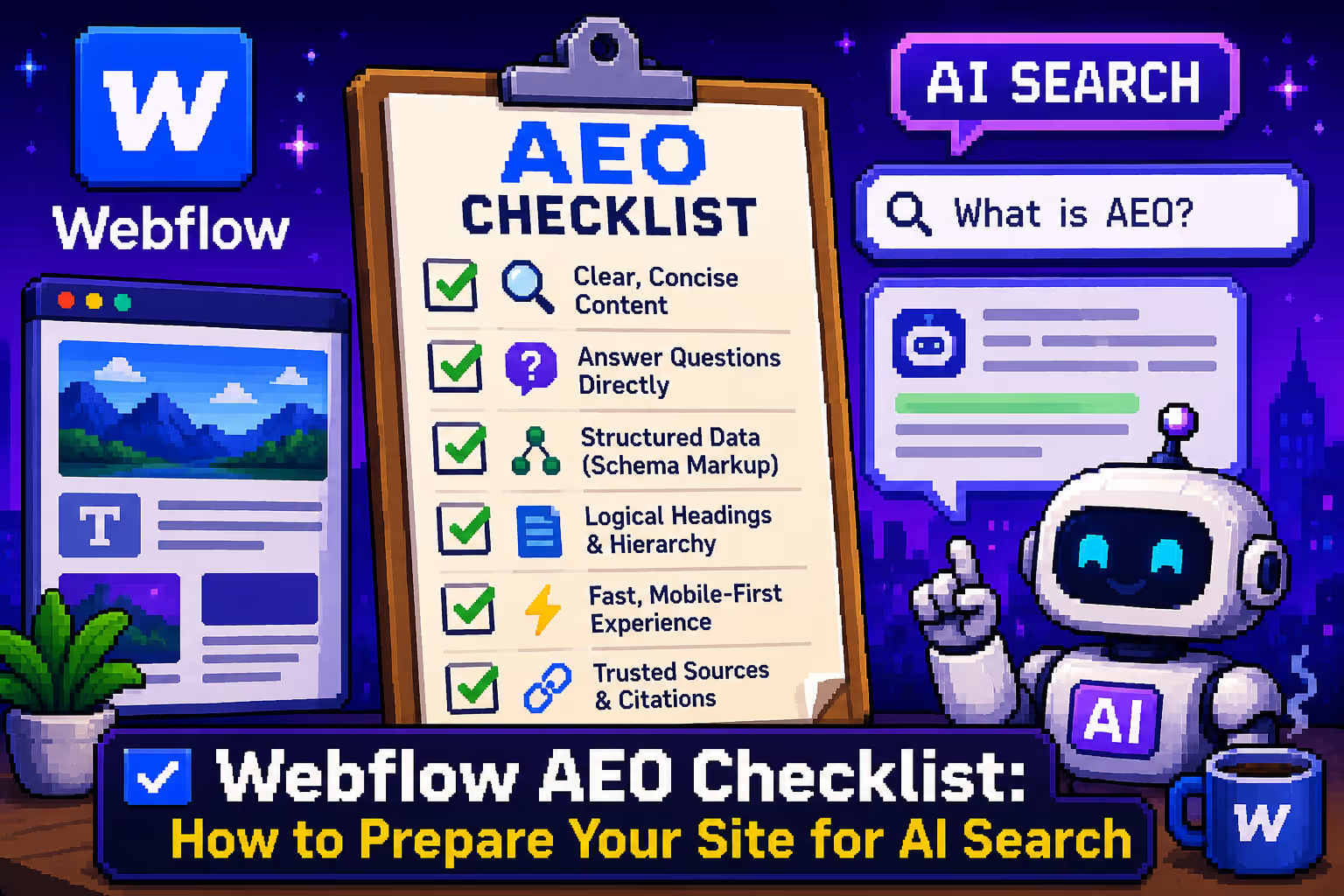
Marketers get a workspace scoped to outcomes, not tools. Agents proactively surface AEO fixes or CRO tests worth running, with the work already drafted.
Designers get direct on-canvas control for the moments craft matters. Repetitive or multi-step work goes to an agent instead, and a canvas comment can become an agent task on the spot.
Developers connect their existing codebase and stack, then configure workspaces and guardrails that define exactly what marketers and agents are allowed to touch.
Agencies get the ability to turn a client playbook into a resellable product: custom Views built around how a specific client's team operates, reused across every project that needs the same setup.
What's Still Genuinely Unclear
To be fair to the format of this blog: Source is a limited research preview, not a shipped product. There's no public pricing, no confirmed general-availability date, and no detail yet on how migration from a standard Webflow site would actually work beyond "a supported path" once it's ready. Webflow has also been explicit that the existing platform isn't going anywhere and will keep getting its own agentic upgrades in parallel, so nobody currently running a site on Webflow needs to plan around this today.
What This Means If You're Building on Webflow Right Now
Nothing changes on your existing site. This is a direction, not a migration you need to prepare for. The most useful thing to do is exactly what mattered in the August post: keep your CMS structure, component naming, and codebase organized, because a site that is already disciplined will make any future transition easier, whether that transition is toward Source specifically or just toward a more code-native version of the platform you're already on.
The Bottom Line
Source by Webflow is a bet that the real competition for AI-generated Next.js sites isn't a better AI website builder, it's a platform where marketing teams and agents share ownership of the same production code, with governance built in instead of bolted on after something breaks. Whether that bet pays off depends entirely on execution once it leaves research preview, but the direction is a clear, deliberate answer to the "just prompt it" wave of AI builders that defined 2026 so far.

Milan Kostic
Freelance Webflow Developer