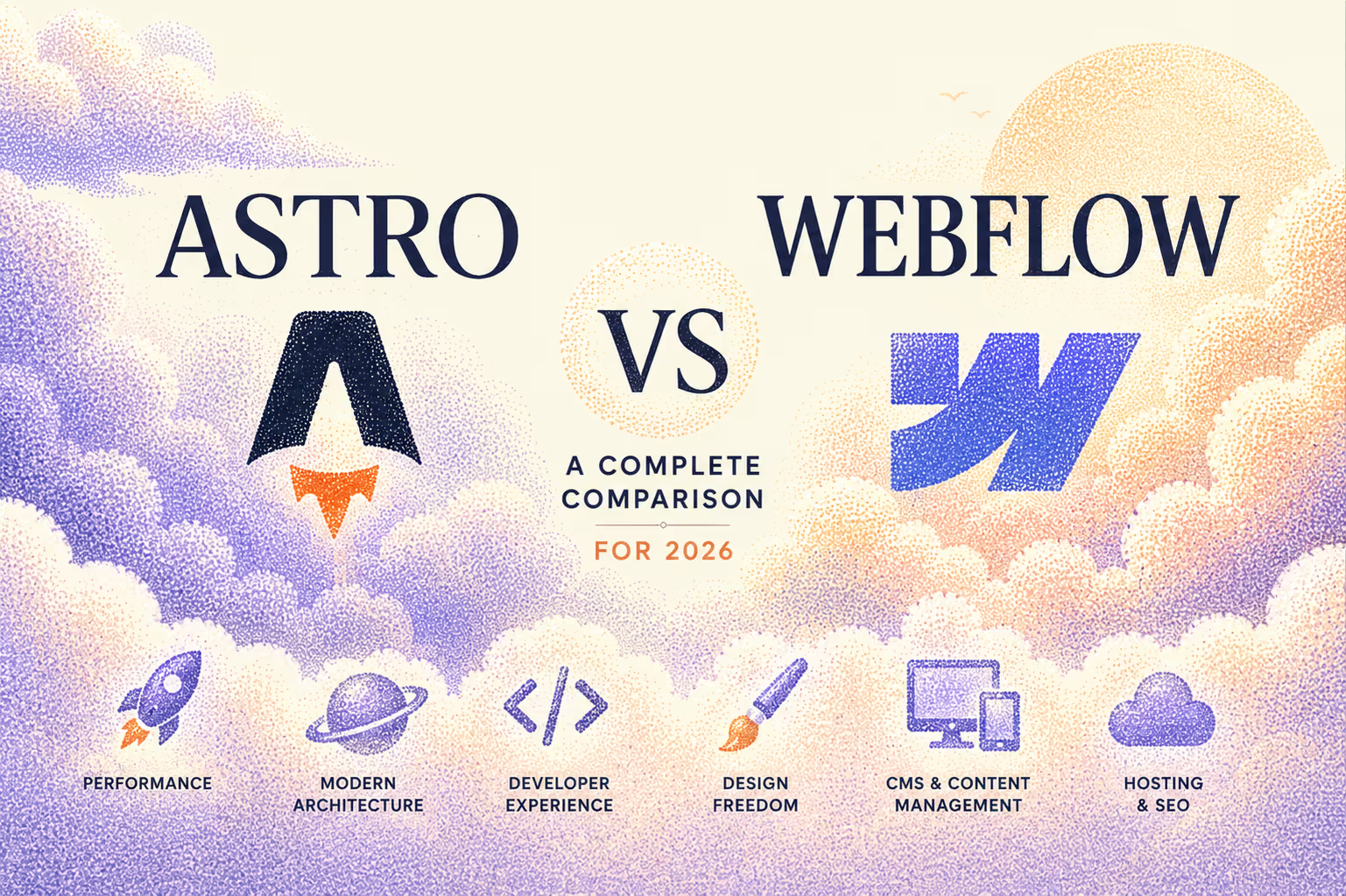
Best No-Code Platforms for Websites in 2026: A Complete Comparison
No-code platforms have fundamentally changed how websites are built. What once required a team of developers is now accessible to founders, marketers, and designers, without writing code. In 2026, choosing a no-code platform is no longer about what's possible, but about which solution best fits your long-term goals.
In this guide, we compare the best no-code platforms for building websites, highlighting their strengths, limitations, and ideal use cases to help you make an informed decision.
What no-code means in the context of websites
No-code platforms allow you to build websites using visual editors, pre-built components, and configuration-based tools instead of writing HTML, CSS, or JavaScript manually. However, the level of flexibility, control, and scalability varies significantly between platforms.
That's why it's important to consider not only what you're building today, but also what your website will need to support six or twelve months from now.
Criteria for comparing no-code platforms
To keep this comparison objective, we evaluate platforms based on the following criteria:
- ease of use
- design flexibility
- SEO and performance
- scalability and long-term maintainability
- types of projects they are best suited for
The best no-code platforms for websites in 2026
Webflow
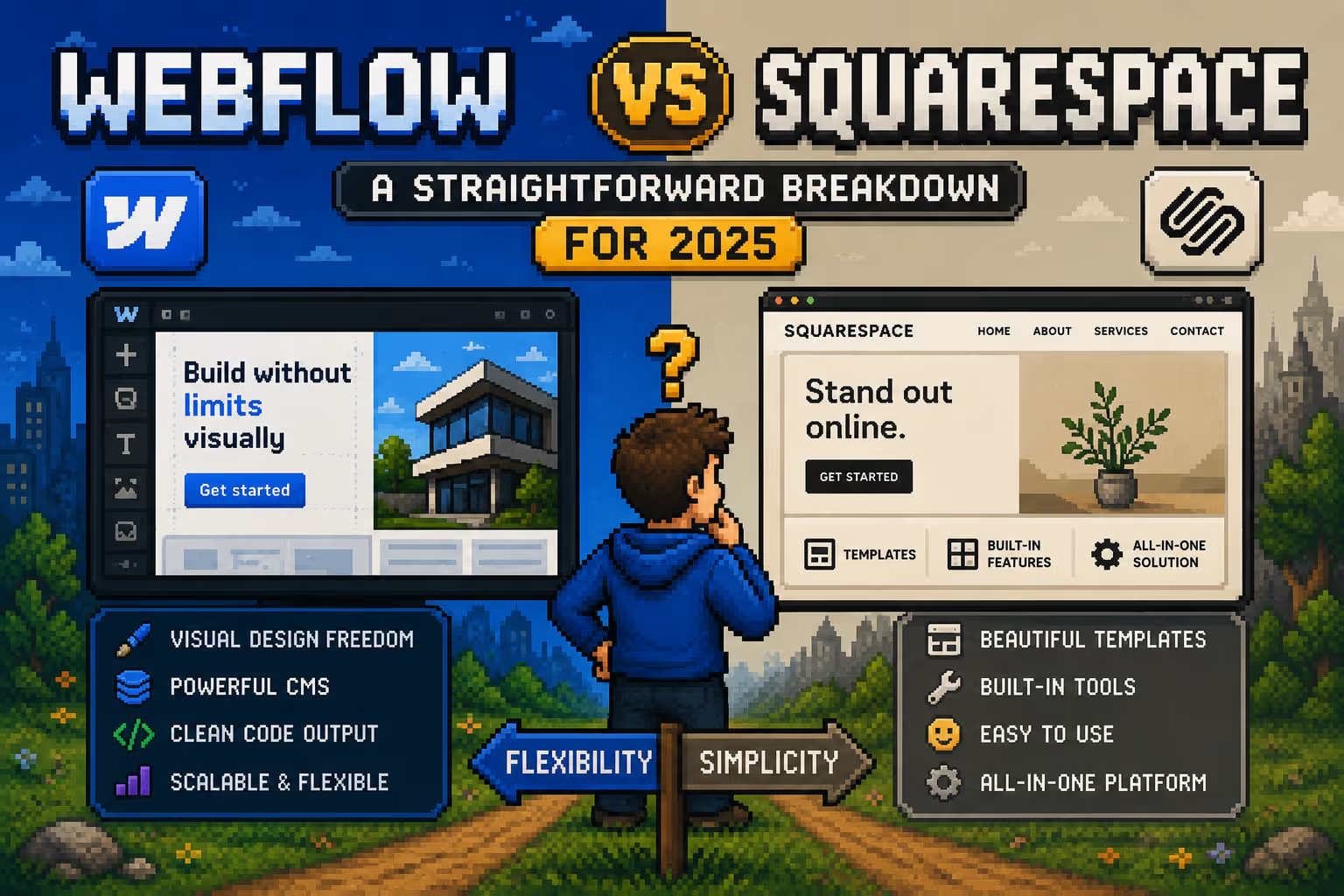
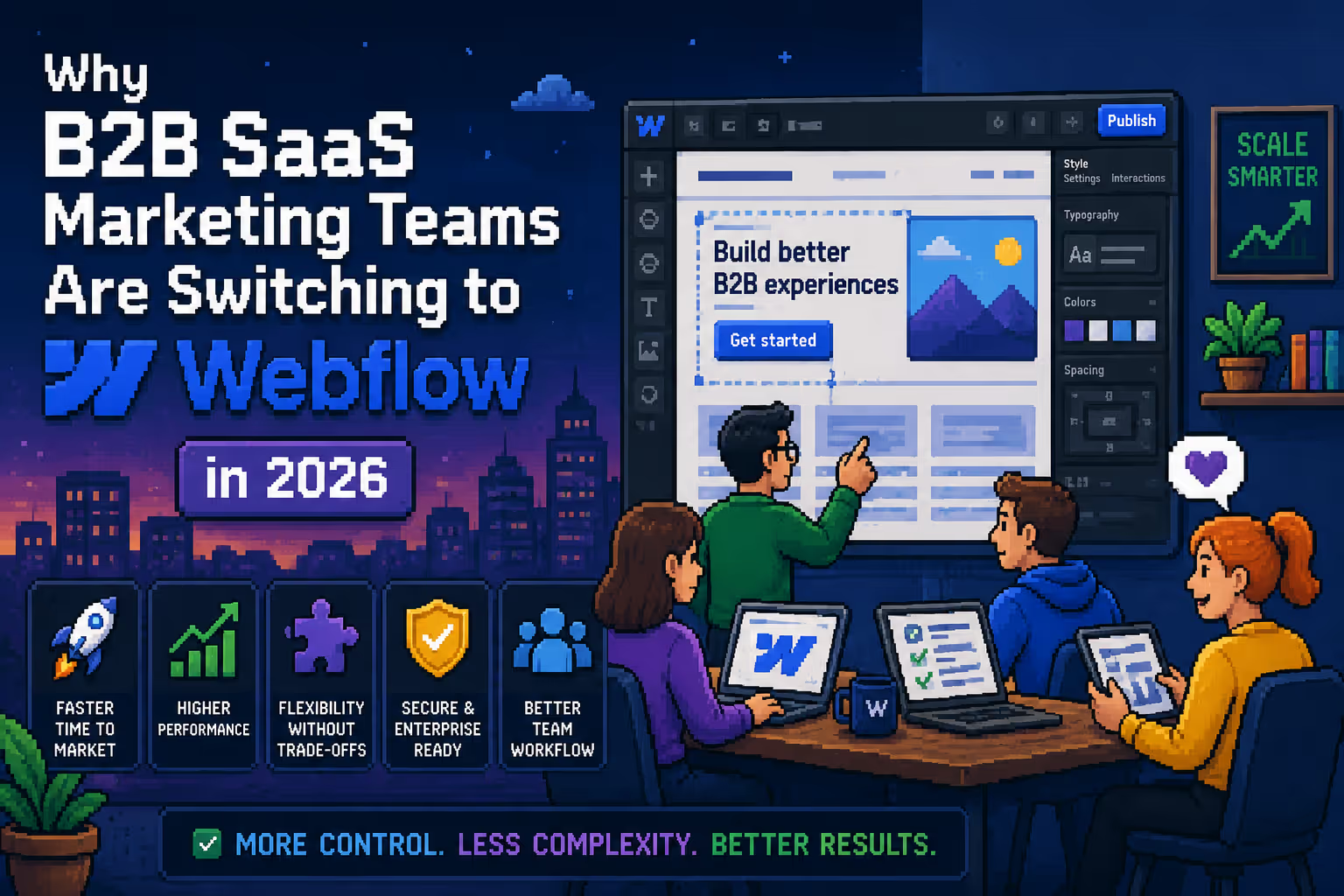
Webflow is one of the most powerful no-code platforms for building professional websites. It offers full control over layout, typography, and content structure, clean code output, and a robust CMS. For a detailed breakdown of what makes it different, see our complete Webflow overview.
Common use cases include:
- marketing websites
- startup landing pages
- content-driven sites such as blogs, resources, and case studies
Webflow is a strong choice for projects that need to scale and evolve without requiring a complete rebuild.
Framer
Framer is especially popular among designers who value speed and interaction. It focuses on visual experience, animations, and fast launch cycles for landing pages.
Common use cases include:
- MVP landing pages
- product launches
- design-forward presentations
It is less suitable for complex CMS structures or content-heavy websites that need long-term scalability.
Wix
Wix is one of the most beginner-friendly website builders available. It enables quick setup, offers a large selection of templates, and has a minimal learning curve.
Common use cases include:
- small business websites
- personal websites
- simple landing pages
While easy to start with, Wix can become limiting as projects grow in complexity.
Squarespace
Squarespace is well known for its polished templates and smooth user experience. It works well for brands that prioritize aesthetics over deep customization.
Common use cases include:
- portfolios
- brand websites
- creative projects
Design flexibility and CMS control are more limited compared to advanced no-code platforms.
WordPress with no-code builders
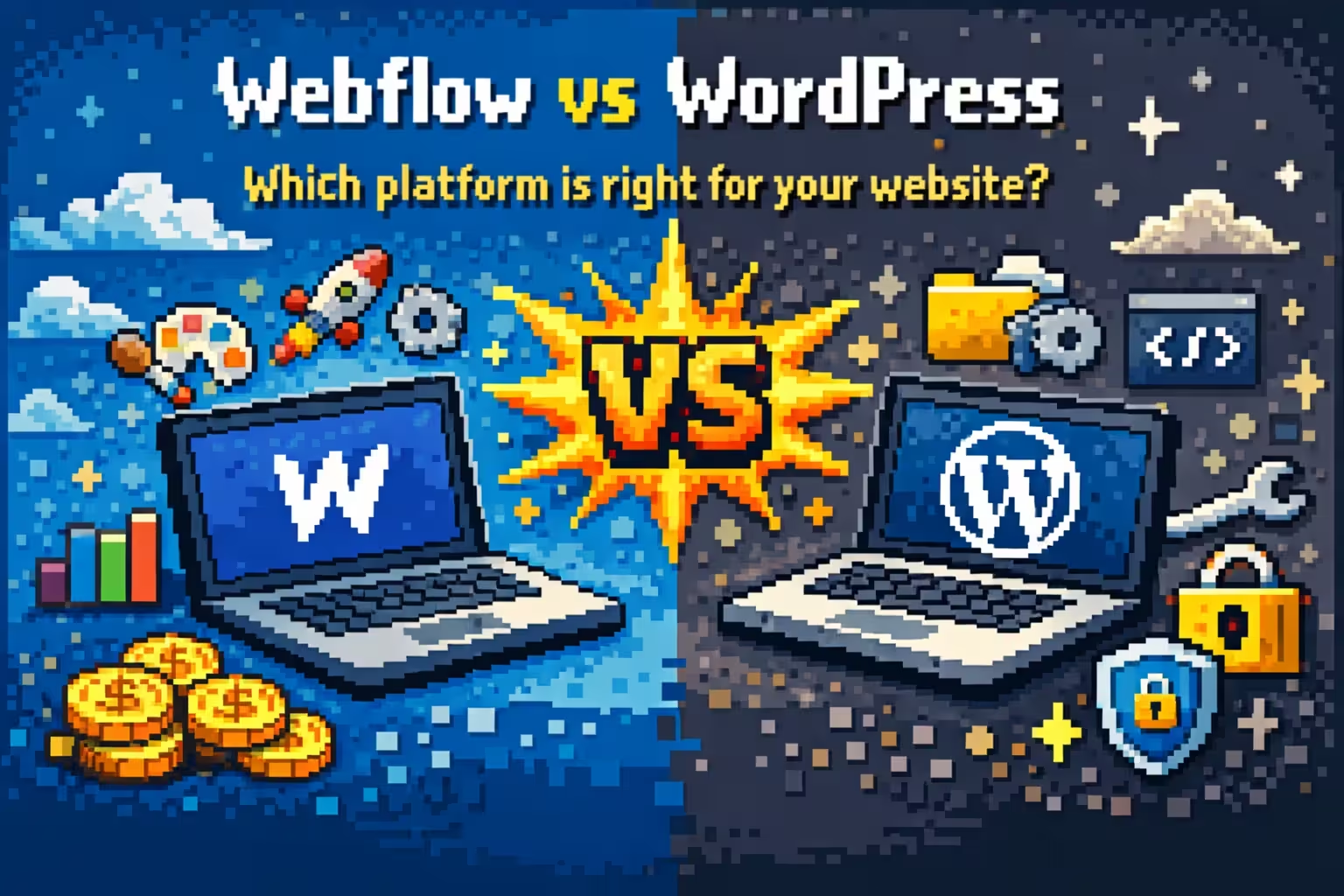
WordPress, combined with visual builders such as Elementor or similar tools, is often considered part of the no-code ecosystem. It offers extensive flexibility through plugins but requires more technical maintenance. For a full comparison of how it stacks up against Webflow, see the Webflow vs WordPress breakdown.
Common use cases include:
- content-heavy websites
- projects with custom functional requirements
The learning curve and long-term maintenance effort are generally higher than with modern no-code platforms.
How to choose the right platform for your project
The right platform depends on a few key questions:
- Do you need a simple landing page or a full website
- How important are SEO and performance
- Do you plan to scale the website over time
- Who will manage the content after launch
Simple projects may work well on lightweight builders, while serious business websites require a more scalable and structured foundation.
Why Webflow is my platform of choice
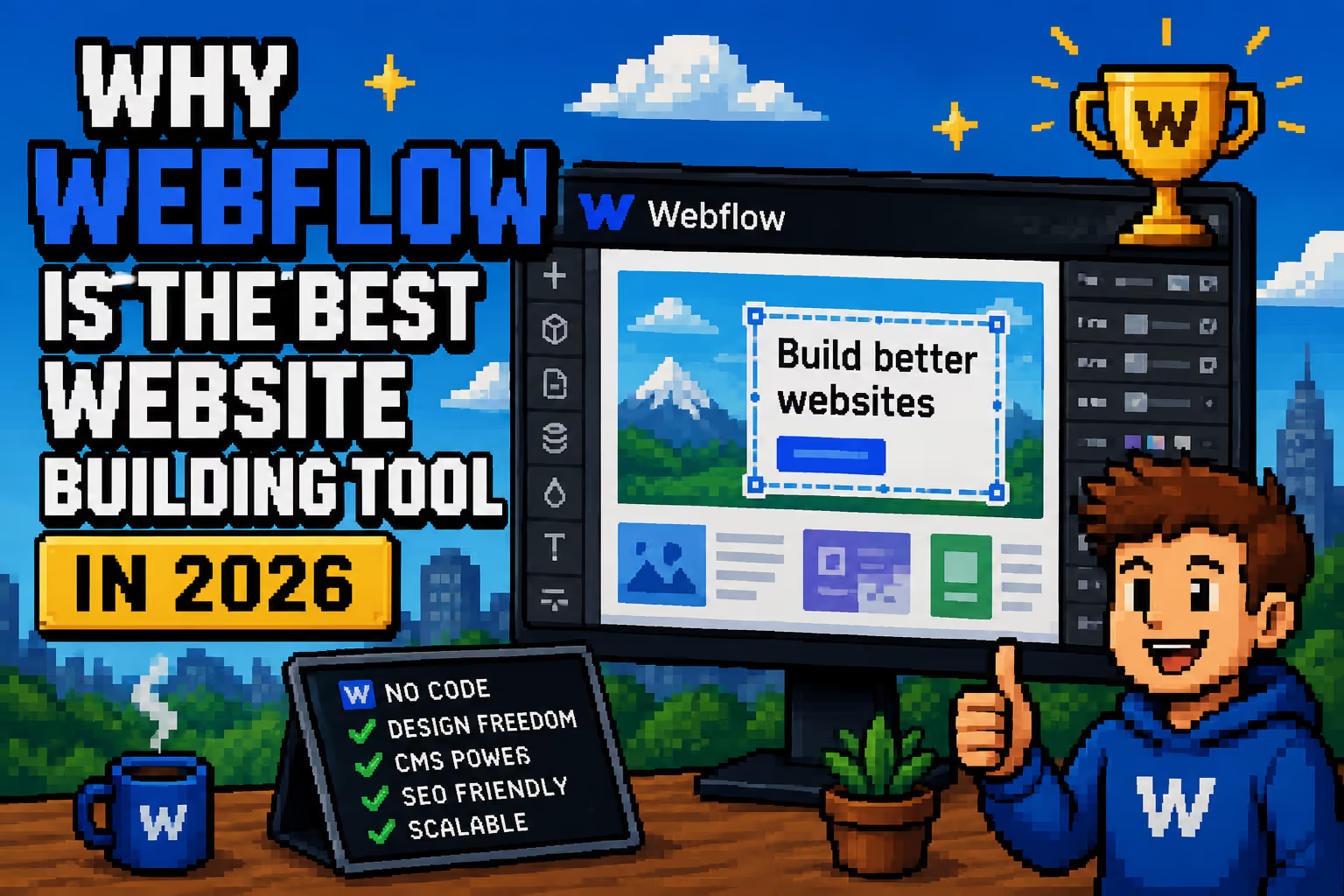
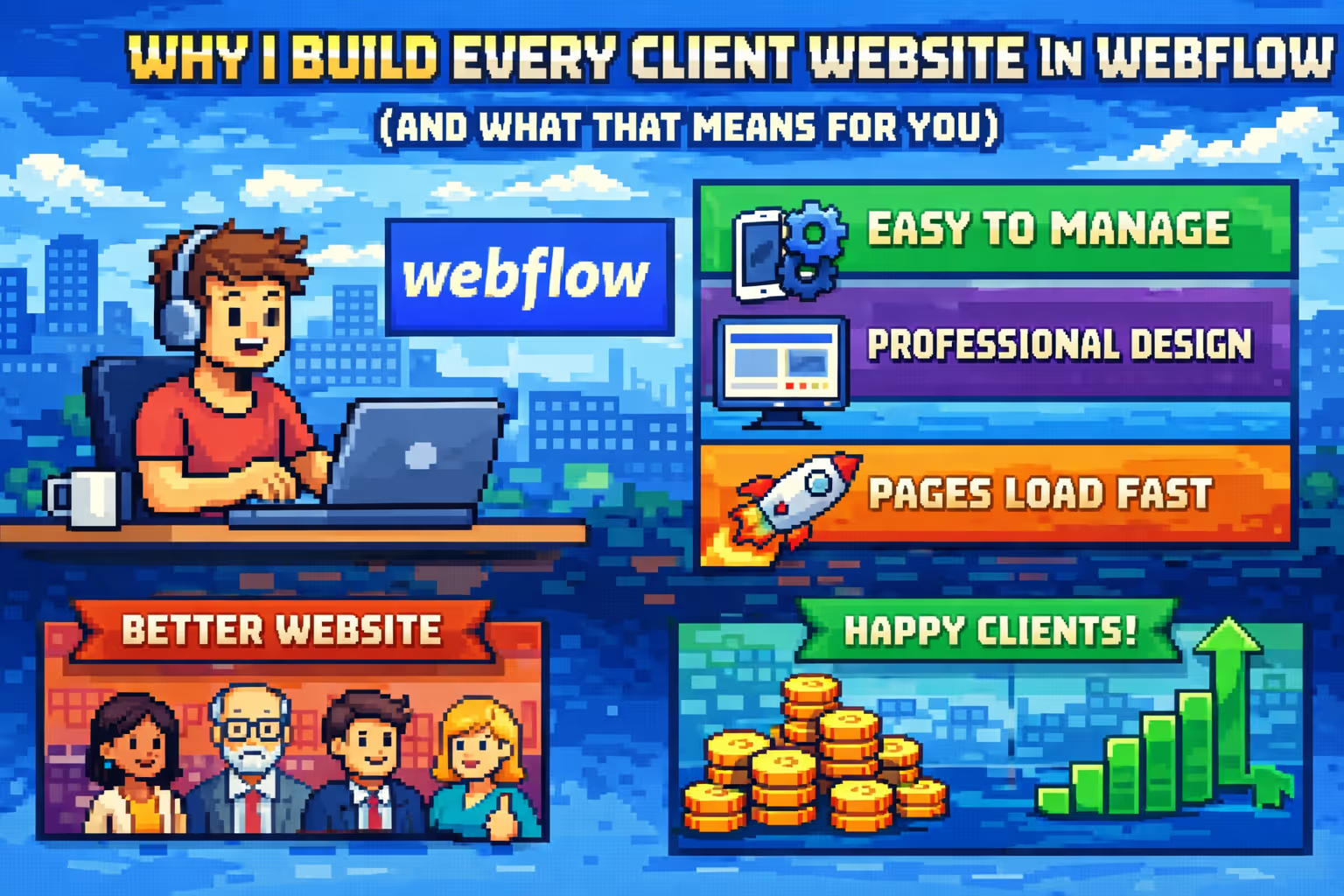
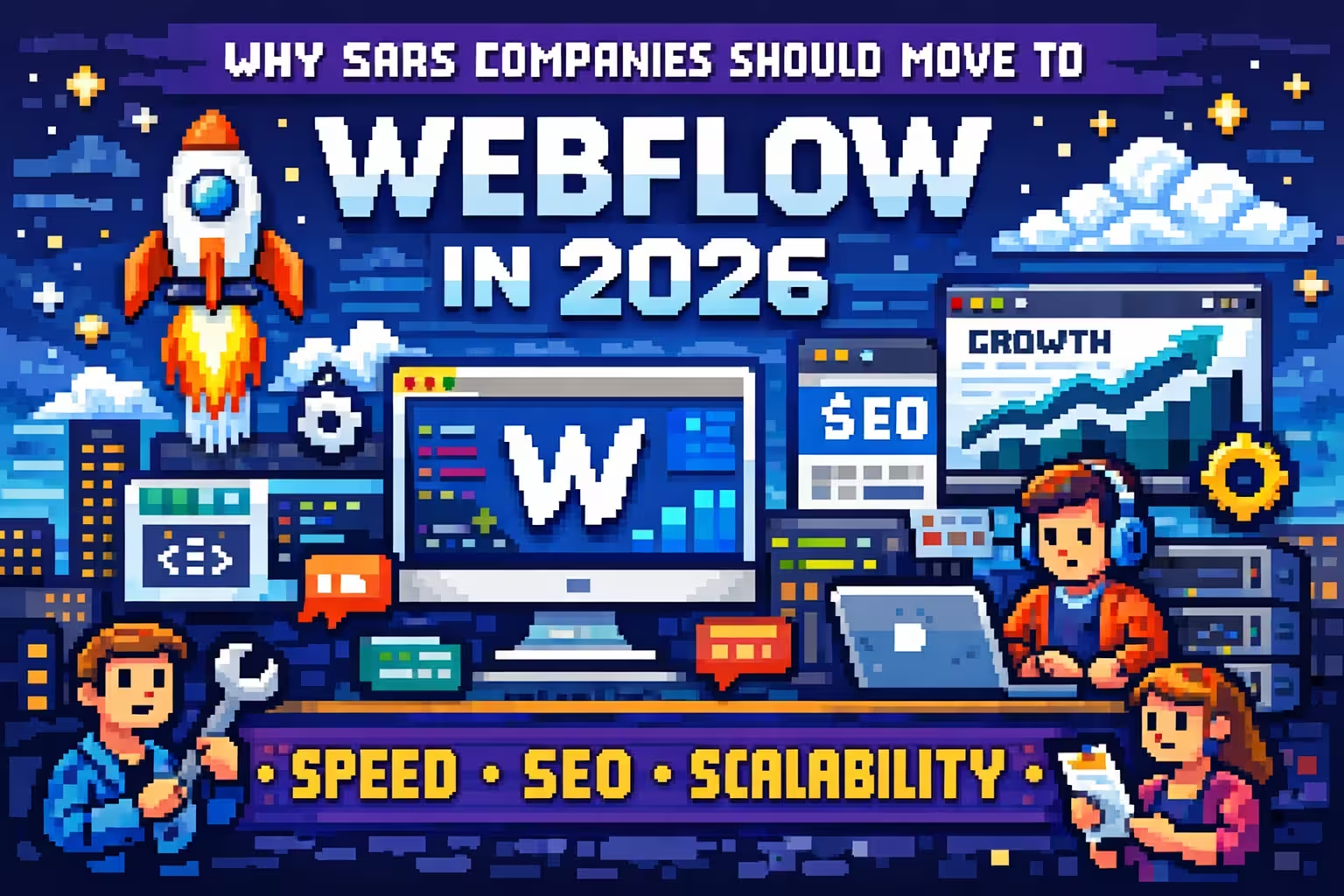
Although there are many no-code platforms available today, Webflow is the tool I most often recommend when someone wants a serious, long-term, and sustainable website. The reason isn't that it's the "most popular" platform, but that it offers the best balance between flexibility, control, and scalability.
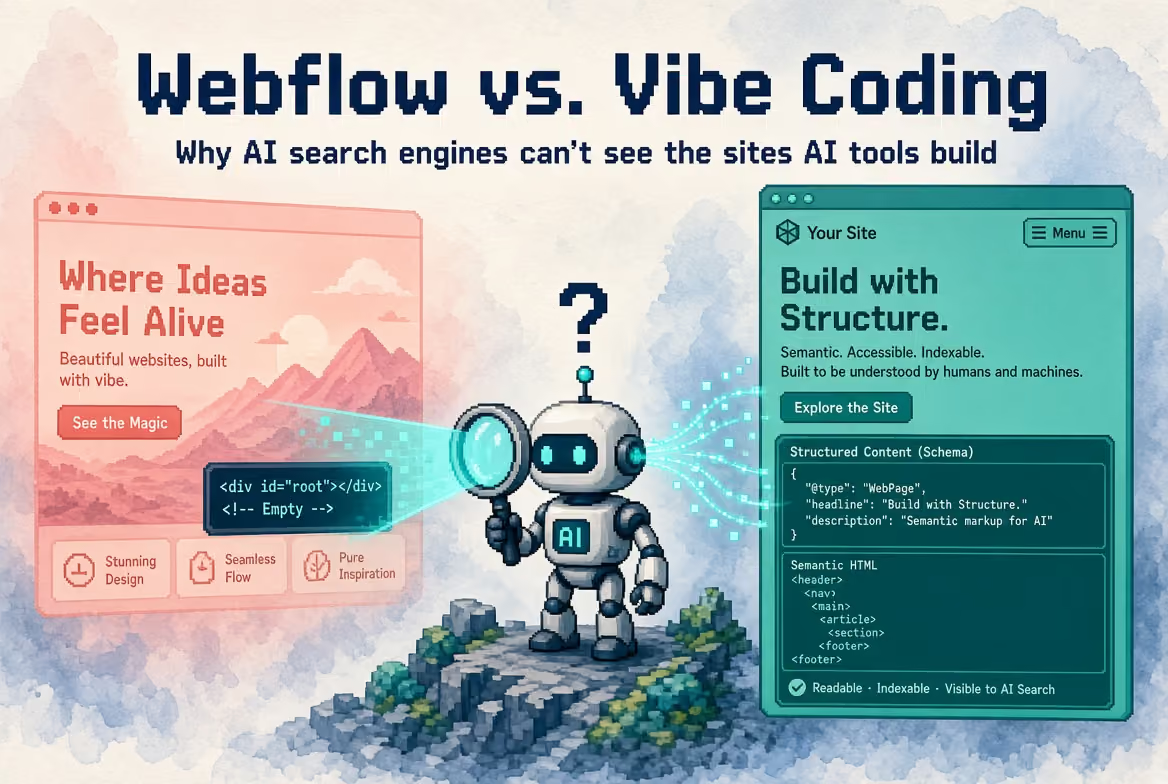
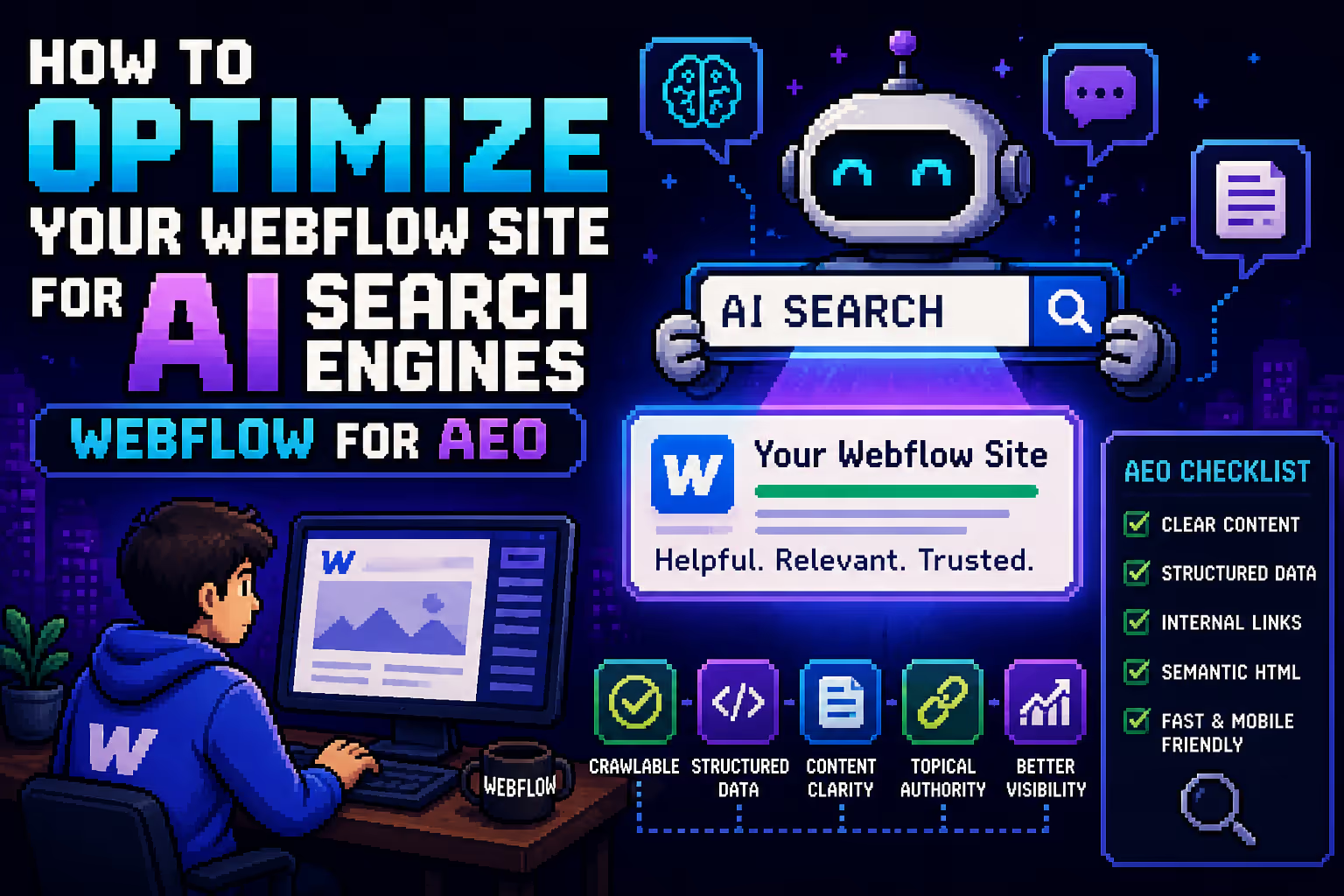
Webflow provides full design control without compromises. Layout, typography, and page structure are not limited by predefined templates, which allows the design to be precisely tailored to the brand and project goals. At the same time, the result is clean, semantic code, which has a direct impact on performance and SEO. For more on how SEO actually works on Webflow, the Webflow SEO guide for 2026 covers this in depth.
Another reason I recommend Webflow is its powerful CMS. For projects that grow over time, whether that's blogs, resources, case studies, or landing pages that evolve into full marketing websites, the CMS structure remains clear and easy to manage, even for non-technical teams.
Webflow has also proven to be a reliable foundation for projects that don't want to be locked into a short-term solution. A site can start as a simple landing page and later expand into a more complex system of pages and content, without the need for a full redesign or migration to another platform.
For all these reasons, Webflow is the platform I most often recommend to clients who think long term and value performance, SEO, and the ability to scale, not just a fast launch.
Conclusion
No-code platforms in 2026 offer a wide range of capabilities, but there is no one-size-fits-all solution. The right choice depends on your project goals, budget, and long-term vision.
If you're building a website that needs to perform, scale, and support business growth, choosing the right platform is a strategic decision, not just a technical one.
If you're unsure which no-code platform fits your project, or you're exploring Webflow as a long-term solution, feel free to get in touch.

Milan Kostic
Freelance Webflow Developer