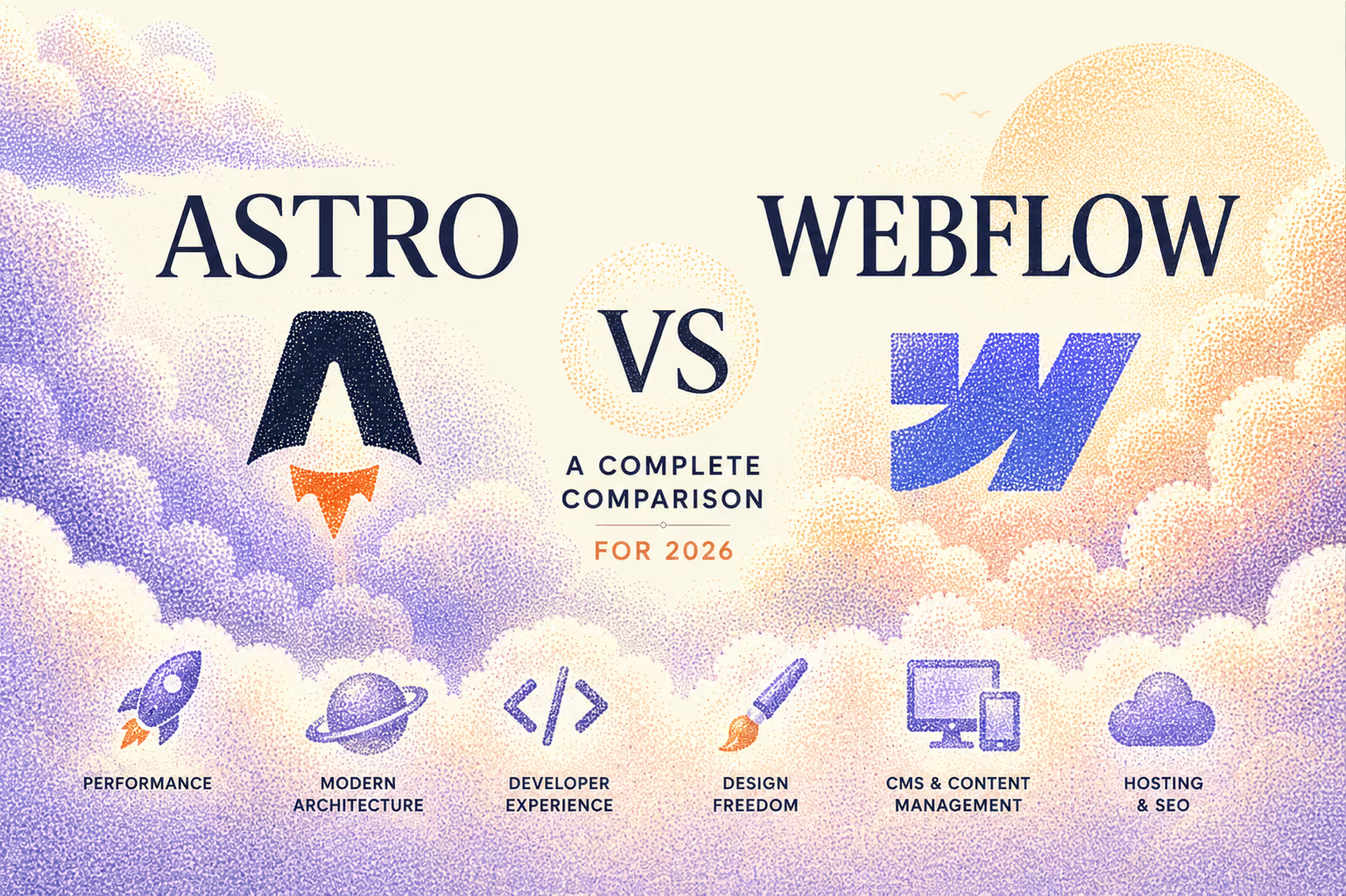
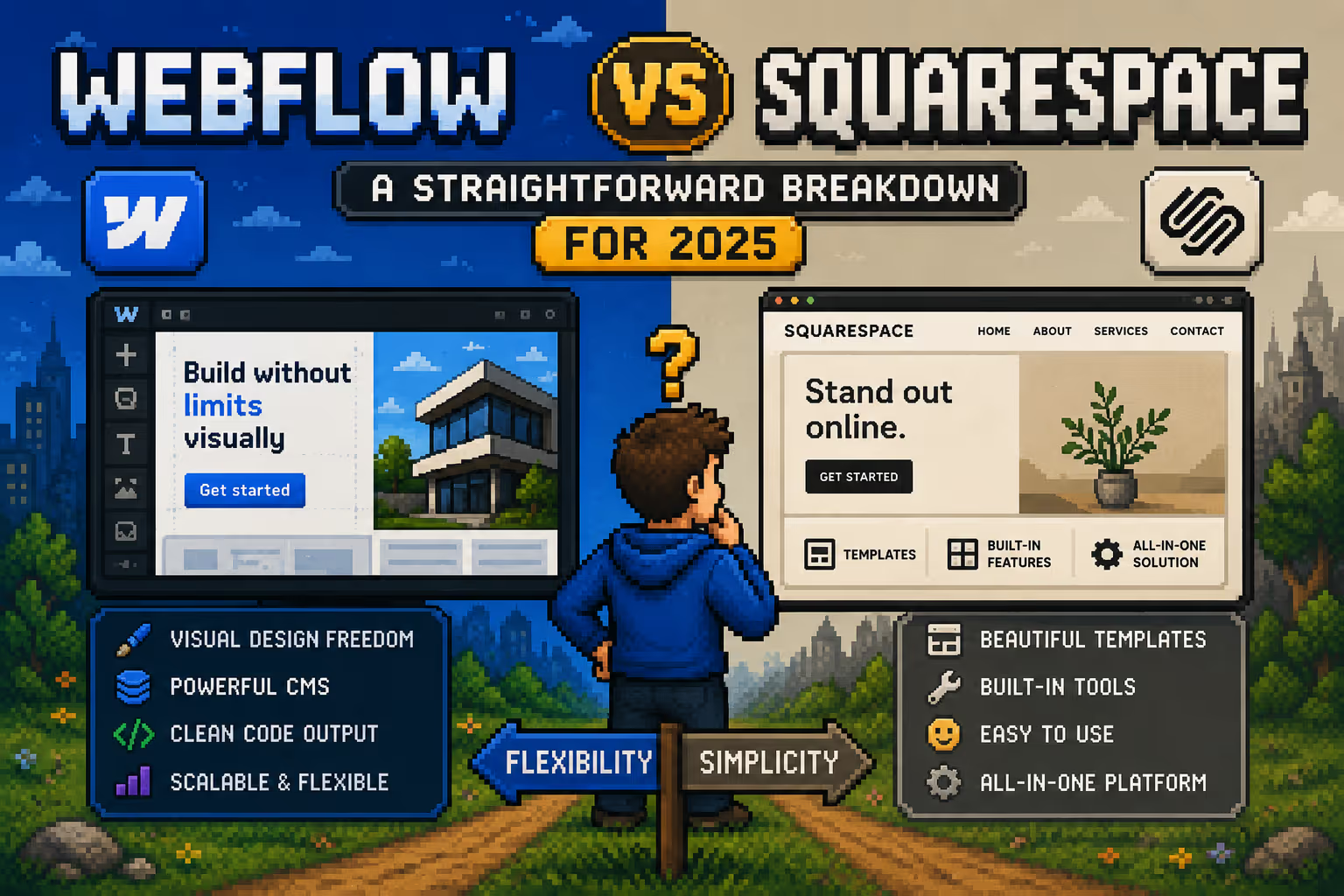
Webflow vs Lovable: a platform comparison. Which one is better?
No-code tools have evolved to the point where building a website is accessible to almost anyone. Still, while platforms like Webflow and Lovable may seem similar on the surface, they're actually built for very different types of users and projects.
In this comparison, we'll look at Webflow and Lovable through a practical lens — focusing on design control, scalability, SEO, and long-term viability — to clarify which platform makes more sense depending on what you're building.
Webflow: A professional tool for serious websites
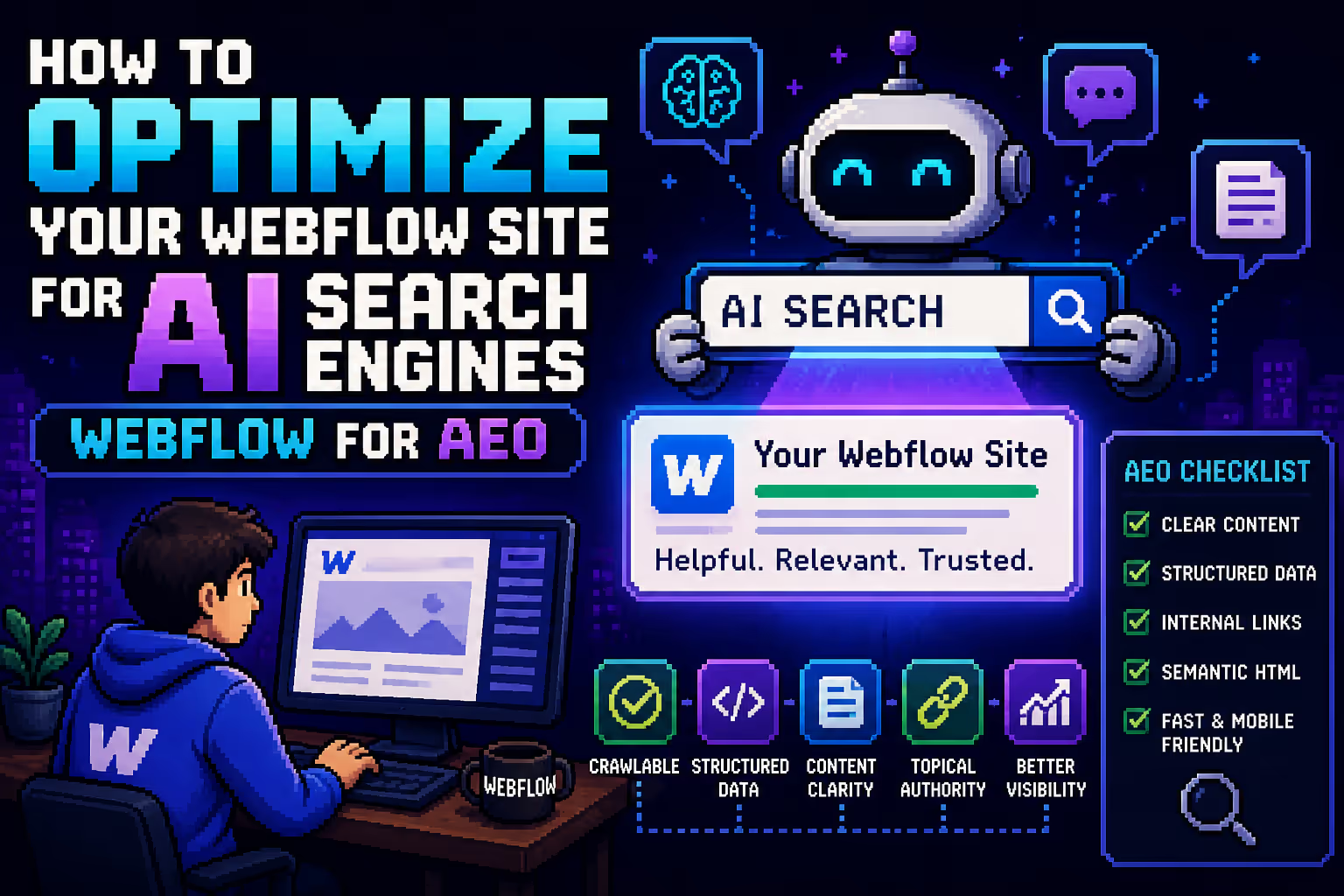
Webflow is a no-code platform that blends a visual editor with modern web development principles. While it allows users to build without writing code, it doesn't abstract away how the web actually works. Instead, it gives you full visibility and control over structure, layout, and responsiveness.
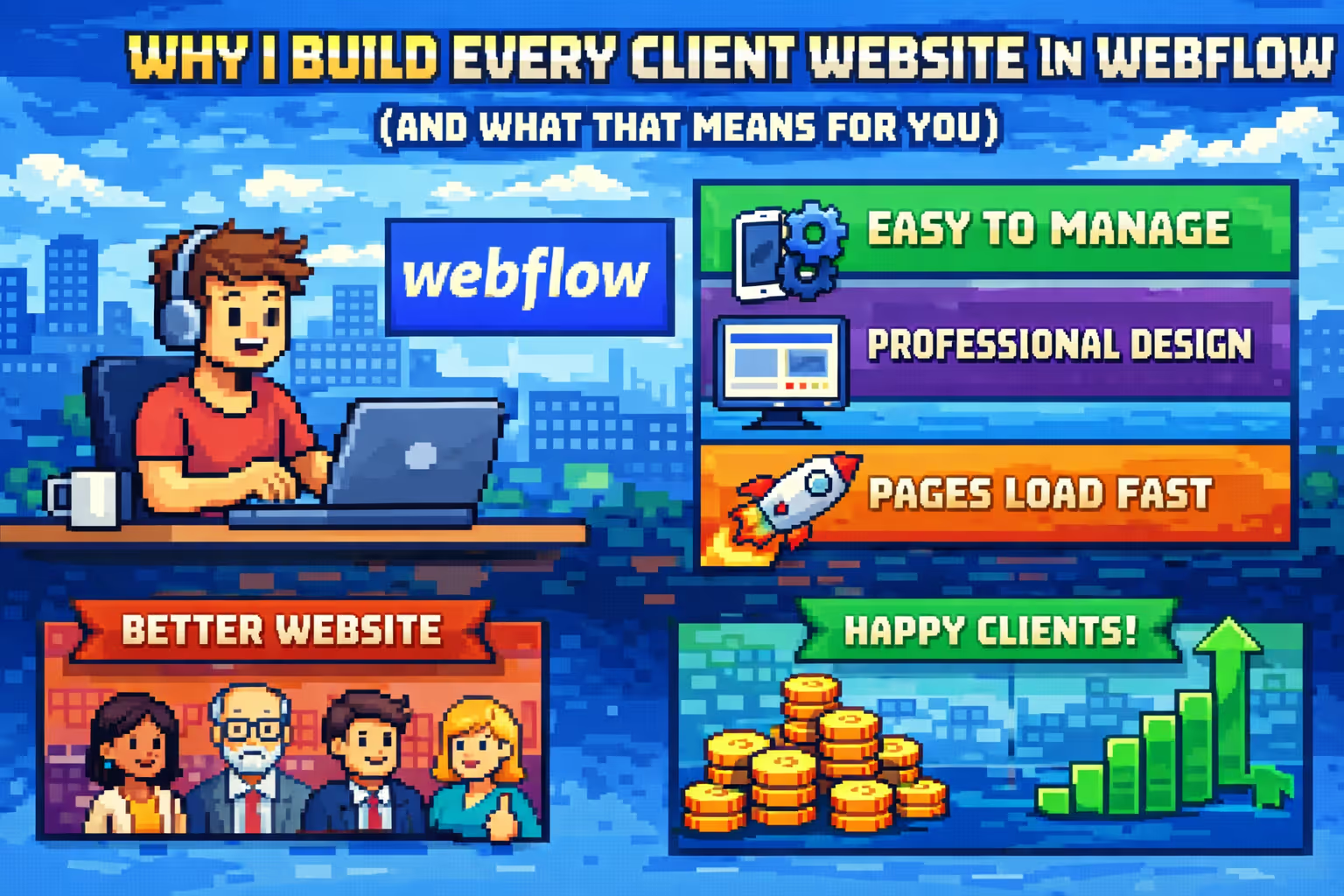
Because of this, Webflow is widely used by designers, developers, and marketing teams who care about precision and performance. Layouts, typography, spacing, and interactions aren't constrained by rigid templates — they're built to match the brand and the goals of the project.
Webflow's CMS is another major strength. For websites that go beyond a single page and grow over time — blogs, resources, case studies, and evolving marketing pages — the content structure remains clean and manageable, even for non-technical teams. For a full breakdown of what Webflow actually is and how it works, see our complete Webflow overview.
Webflow is often the platform of choice when performance, SEO, and long-term scalability are non-negotiable, especially for startups, SaaS companies, and growing businesses.
Lovable: Simplicity and speed for quick launches
Lovable takes a different approach. The platform prioritizes ease of use and fast setup, making it accessible to users who want to launch quickly without dealing with technical complexity.
Lovable relies on pre-built components, straightforward workflows, and a minimal learning curve. That makes it a solid option for individuals, small businesses, or first-time site builders who just need to get online fast.
That simplicity, however, comes with trade-offs. Design flexibility is more limited, SEO controls are basic, and there's less room to shape the site's structure as requirements grow. Lovable is optimized for speed and accessibility rather than long-term expansion.
Ease of use: Speed versus control
Lovable is clearly easier to pick up. The interface is intuitive and designed for users with little to no web design background. If your primary goal is to publish a simple website as quickly as possible, Lovable makes that process straightforward.
Webflow has a steeper learning curve. It feels closer to working in tools like Figma, where you have full control but also more responsibility. While this can be challenging at first, it pays off in flexibility and quality once you're comfortable with the platform.
Design, SEO, and performance
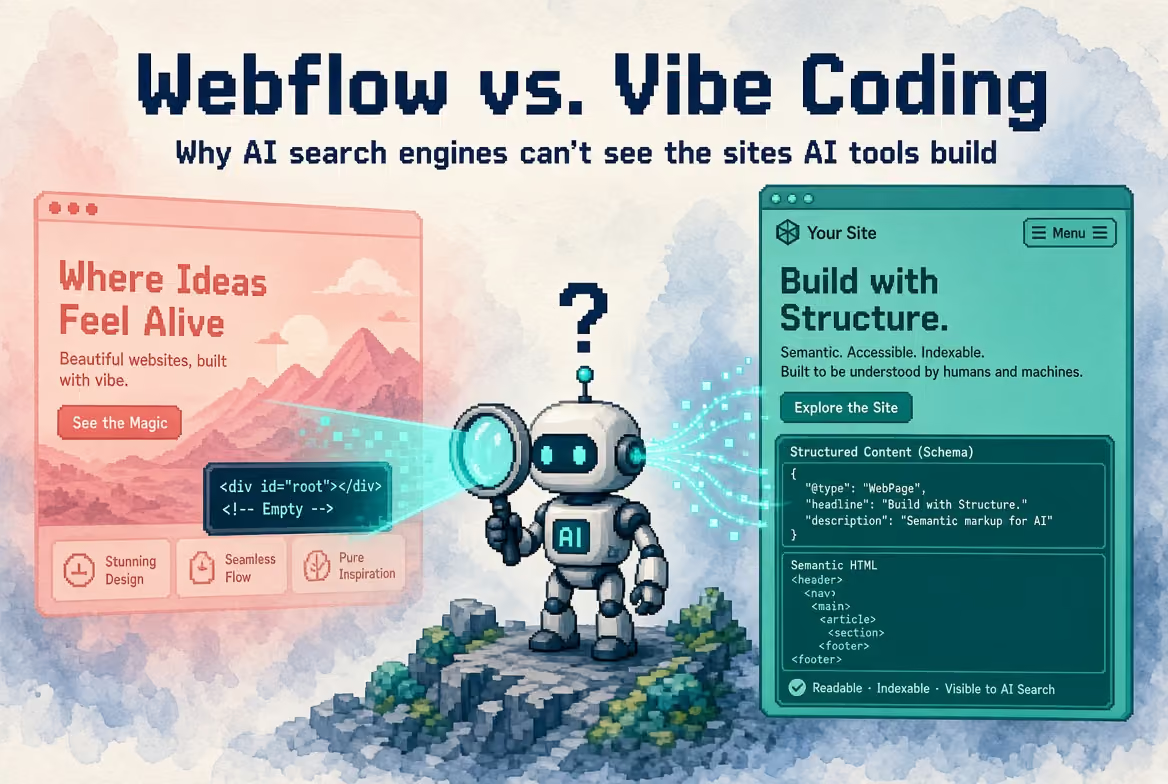
From a design standpoint, Webflow operates in a different tier. It offers granular control over layout, advanced interactions, and clean, semantic HTML output — all of which contribute directly to performance and search visibility. If SEO is a priority, it's worth reading the complete Webflow SEO guide for 2026.
Lovable covers the basics when it comes to design and SEO, which may be enough for simple projects. But for teams that care about organic search, page speed, and technical optimization, those limitations can become noticeable over time.
If SEO, performance, and customization are core requirements, Webflow has a clear advantage.
Which platform is better?
Purely in terms of capability, control, and long-term potential, Webflow is the more powerful platform. It's built for projects that need to scale, evolve, and remain flexible as business goals change.
Lovable still has its place. It's a practical choice for quick, lightweight projects where speed and simplicity matter more than customization or future growth.
So while the question "which one is better?" doesn't have a universal answer, the direction is clear. If you're building a professional website meant to grow with your business, Webflow is the more future-proof choice. If you're still weighing your options, the Webflow vs WordPress comparison covers the broader platform question in more detail.
If you're evaluating Webflow and Lovable and want help choosing the platform that actually fits your project, feel free to contact me here and we can talk through the right approach.

Milan Kostic
Freelance Webflow Developer