Is Webflow Good for SEO? What Actually Matters

The question "Is Webflow good for SEO?" is often asked, but in most cases it's framed the wrong way. SEO results don't depend on the platform itself, they depend on how a website is built, how its content is structured, and how well its technical foundations are set up. Webflow, as a tool, is not a limitation for SEO. In fact, it provides all the essential building blocks needed for proper optimization. For the full picture, the ultimate Webflow SEO guide for 2026 covers everything in detail.
What actually impacts SEO results
SEO is never the result of a single factor. Strong rankings come from the combined effect of content quality, site structure, and technical performance.
SEO is about implementation, not the tool
Google doesn't rank Webflow, WordPress, or any other platform. It ranks pages based on relevance, performance, and usefulness to users. Webflow simply provides a technical environment where SEO can be implemented correctly, or incorrectly.
Webflow's technical SEO strengths
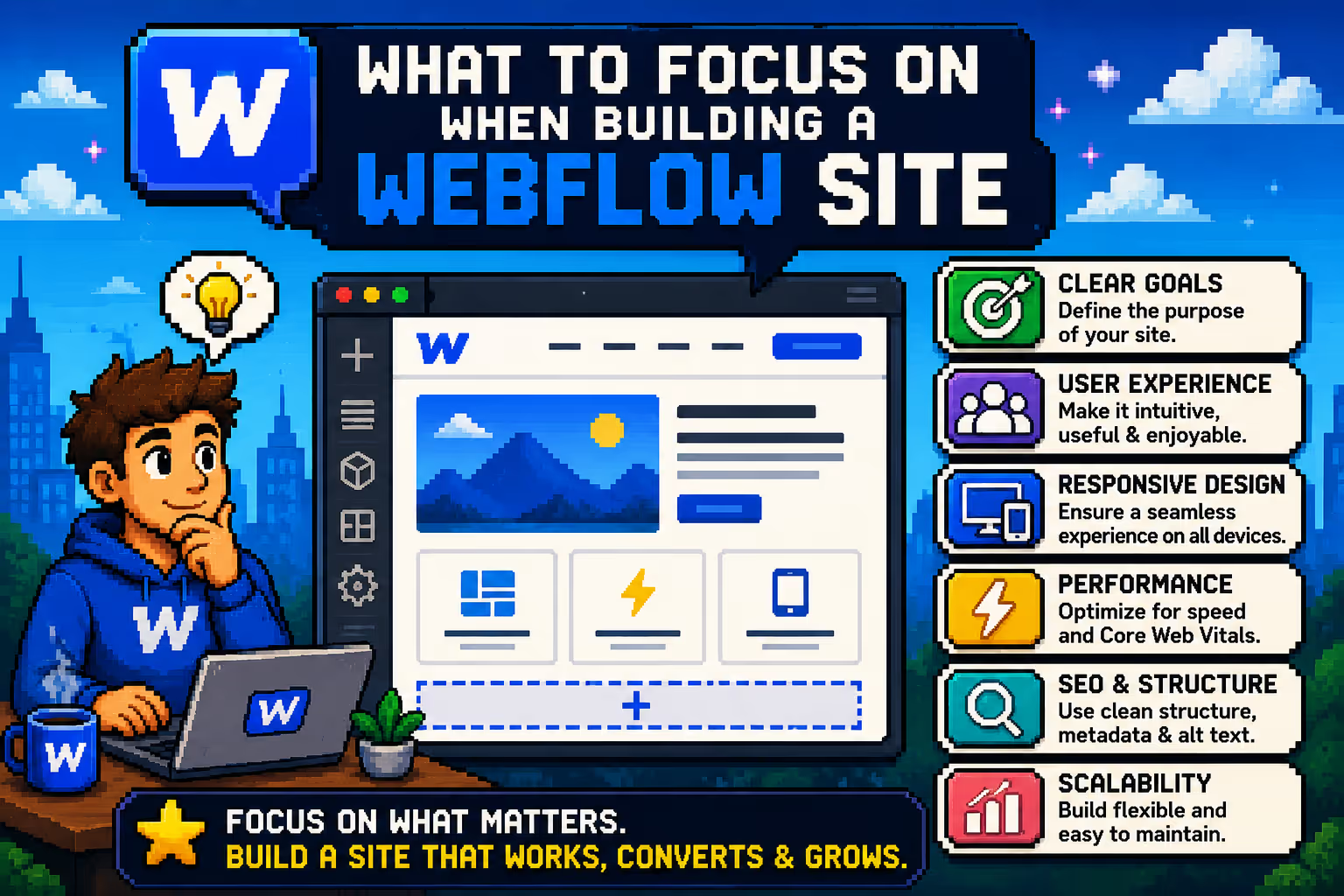
Webflow offers a solid technical foundation out of the box. It generates clean, semantic HTML, gives full control over title tags and meta descriptions, allows proper heading hierarchy, creates automatic sitemaps, supports easy 301 redirects, and runs on fast hosting with CDN and SSL. These are all baseline requirements for modern SEO and areas where Webflow performs very well.
Does Webflow automatically guarantee good SEO?
No. While the platform provides strong fundamentals, SEO doesn't happen automatically. Poor structure, weak content, or neglected technical setup will limit results regardless of the tool being used.
The role of content in SEO performance
Content is the core of any SEO strategy. Without clear, well-written copy that answers real user questions and aligns with search intent, no platform can compensate for that gap.
Search intent and content quality
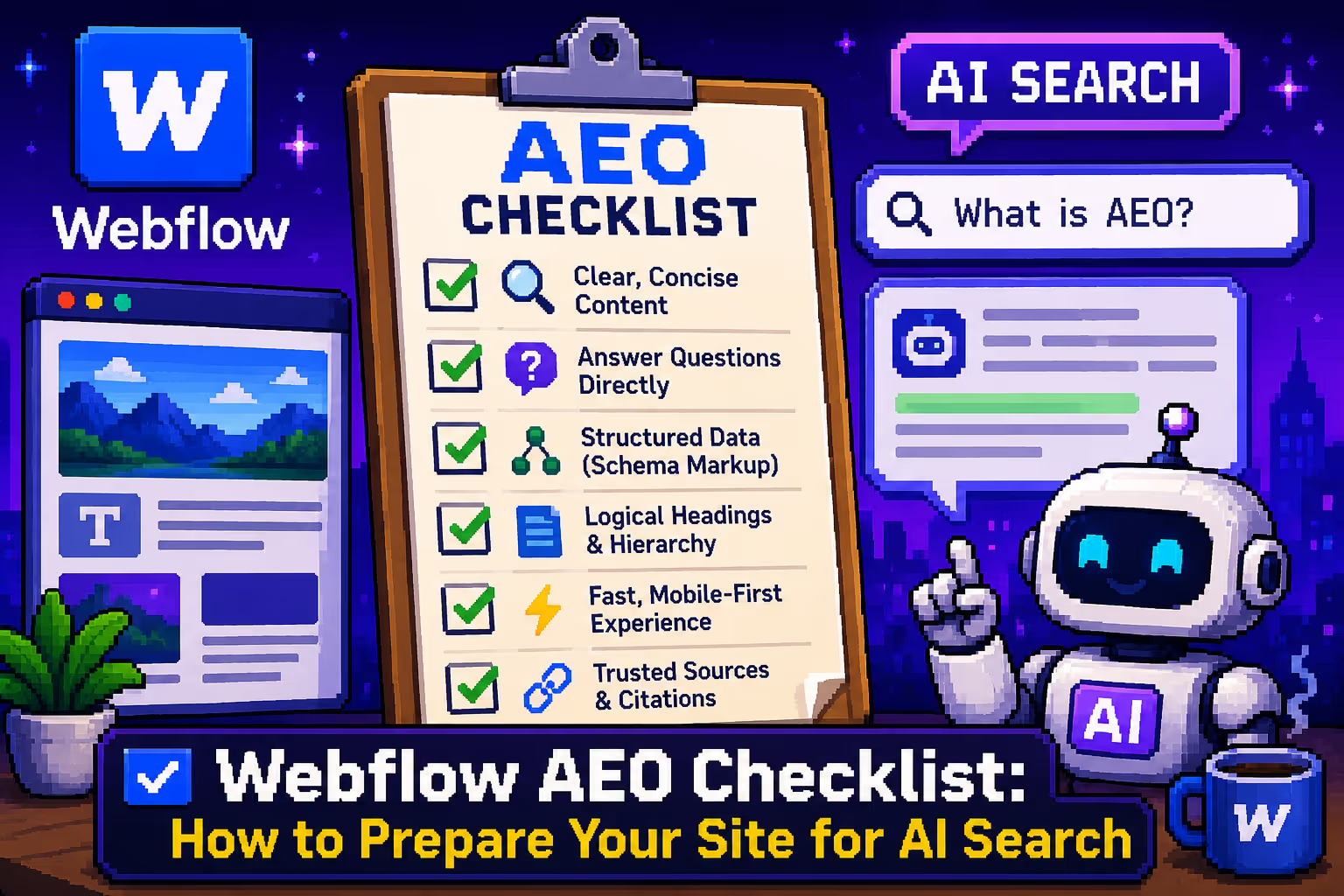
Effective content is structured, easy to scan, and written with purpose. Headings should guide the reader, not just serve visual design. When content is created to be helpful first, SEO benefits naturally follow. Structured data like schema markup can also amplify how search engines understand and surface your content.
Site structure and its impact on SEO
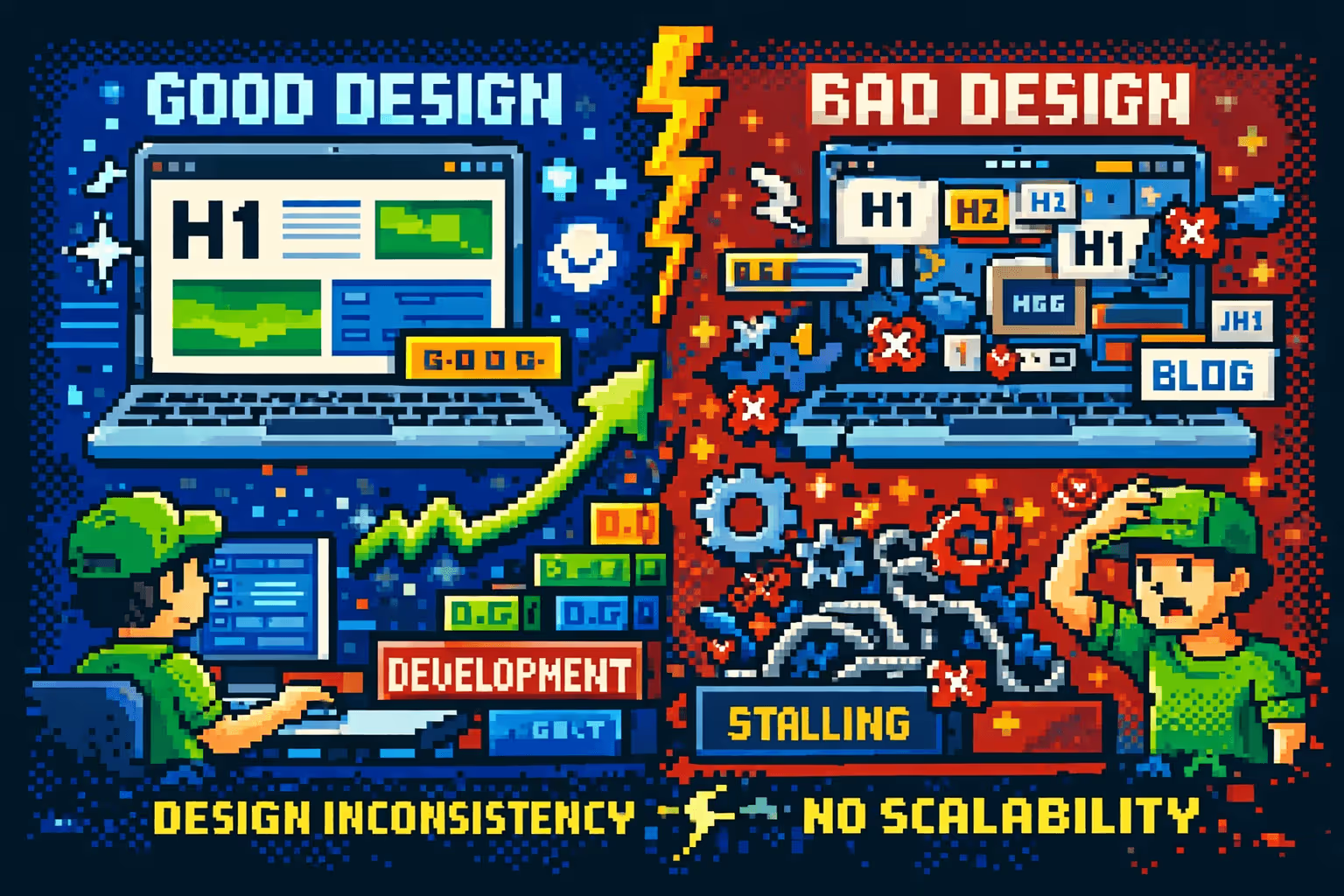
A clear site structure helps both users and search engines understand your website. Logical URLs, correct use of H1, H2, and H3 headings, and meaningful internal linking all contribute to better crawlability and rankings.
Structural control in Webflow
Webflow gives full control over page and CMS structure. This flexibility is a major advantage, but it also requires discipline. Without defined rules and consistency, even flexible tools can lead to messy SEO foundations.
Animations and their SEO impact
Animations themselves don't harm SEO. Problems arise when animations delay content rendering, hide important text behind JavaScript, or significantly reduce page performance.
When animations become an SEO issue
If critical content only appears after animations run, or if heavy effects slow down page load times, Google may interpret the experience as poor. In these cases, it's not the animation that hurts SEO, it's the implementation. This is why achieving strong Lighthouse scores on Webflow mobile is a core part of a professional build.
Why some people think Webflow is bad for SEO
The belief that Webflow "isn't good for SEO" usually comes from poor execution. Design-first builds without SEO strategy, generic copy, missing content depth, and overlooked technical setup are common causes. These issues would produce the same results on any platform.
Conclusion
Webflow is a strong platform for SEO, but it doesn't do SEO on its own. Real results come from the combination of thoughtful content, clear structure, and proper technical optimization. The platform is just a tool, how you use it determines the outcome.

Milan Kostic
Freelance Webflow Developer