Should designers understand Webflow frameworks for smoother projects?
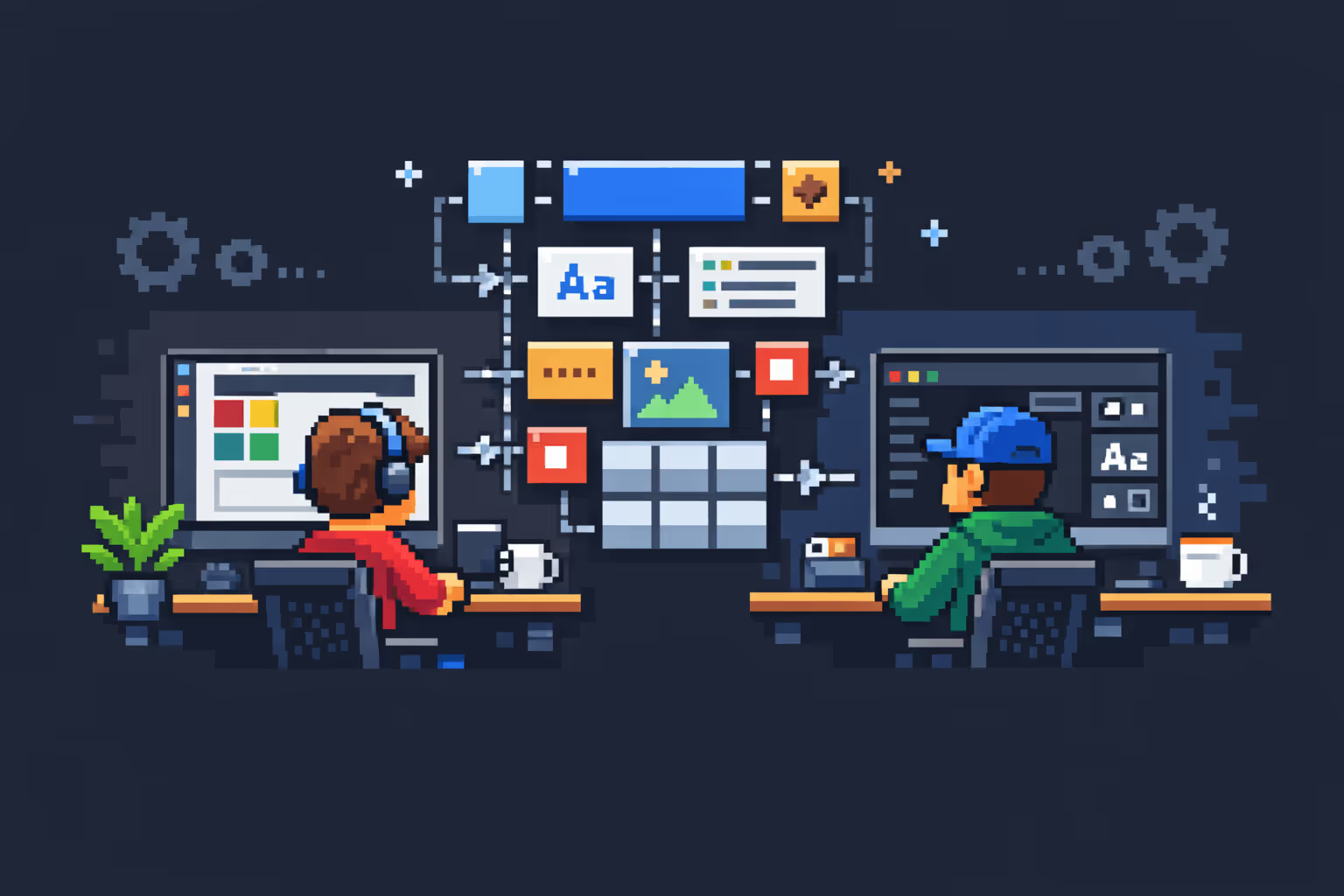
In Webflow projects, frameworks are often seen as a developer-only responsibility. Designers work in Figma, developers implement the design in Webflow, and each role stays in its own lane. In practice, however, projects run far more smoothly when designers have a basic understanding of the Webflow framework being used.
Understanding a framework doesn't mean designers need to think like developers. It simply means being aware of the system the design will eventually live in. For a deeper look at why frameworks matter so much in the first place, see why the right Webflow framework matters for scalable websites.
Why this matters already in the design phase
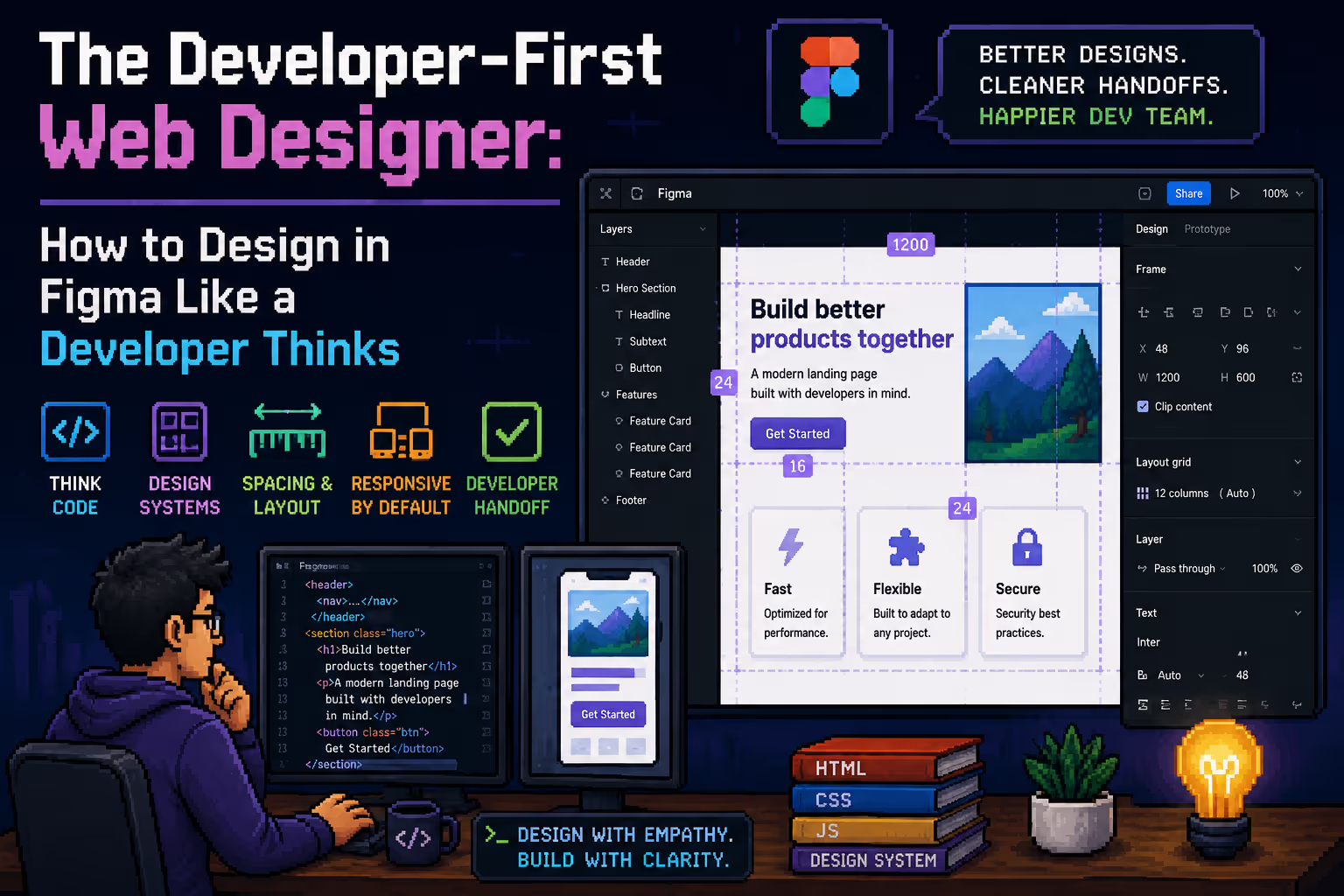
When designers understand the framework structure, their designs become more realistic and consistent. Spacing, typography, and layout decisions follow an existing system instead of treating every screen as a one-off design.
This reduces the back-and-forth between design and development. Developers spend less time asking for clarification or making structural compromises to implement a design that doesn't align with the underlying system. When the design and the framework speak the same language, the handover becomes significantly cleaner.
The practical side: spacing, naming, and components
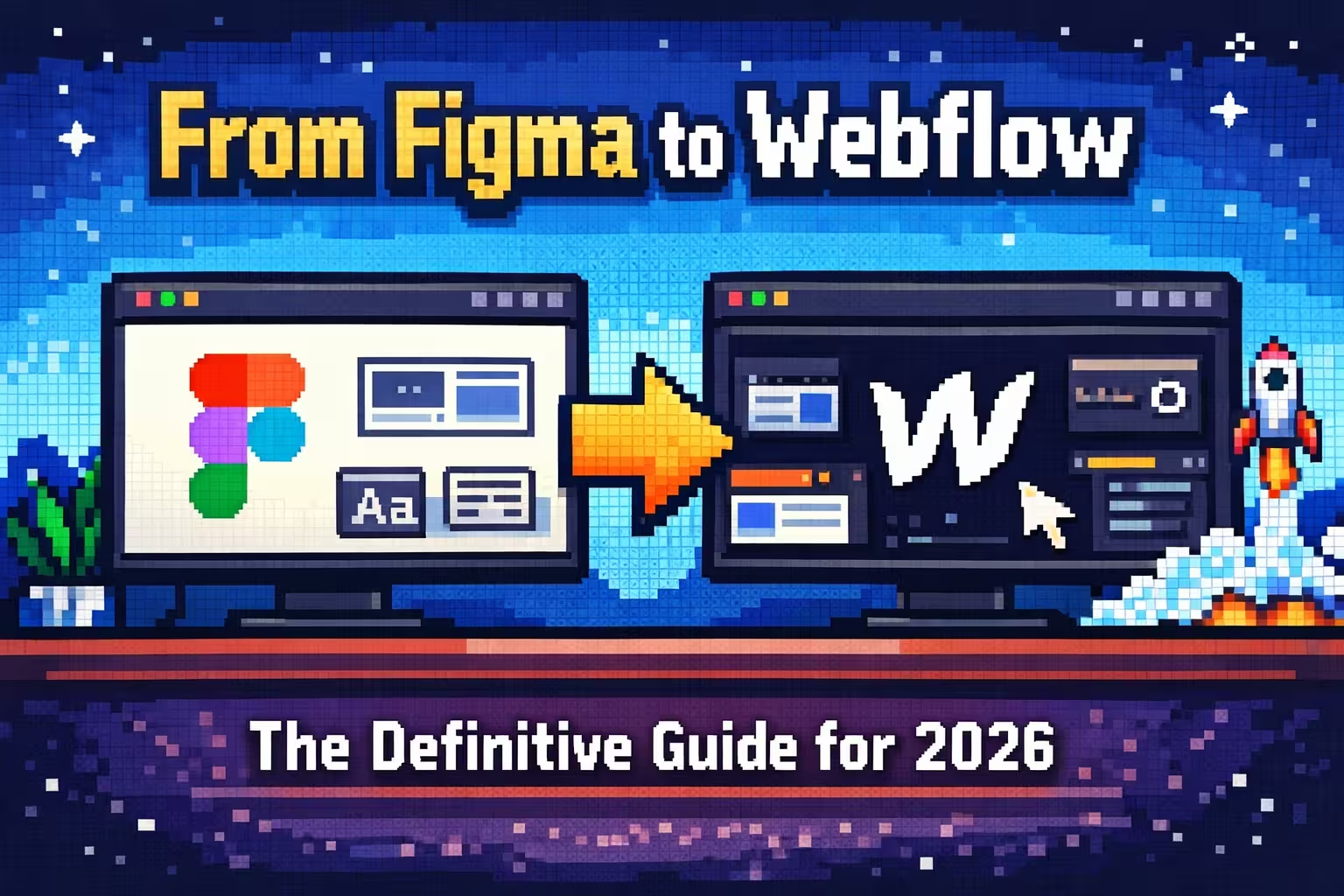
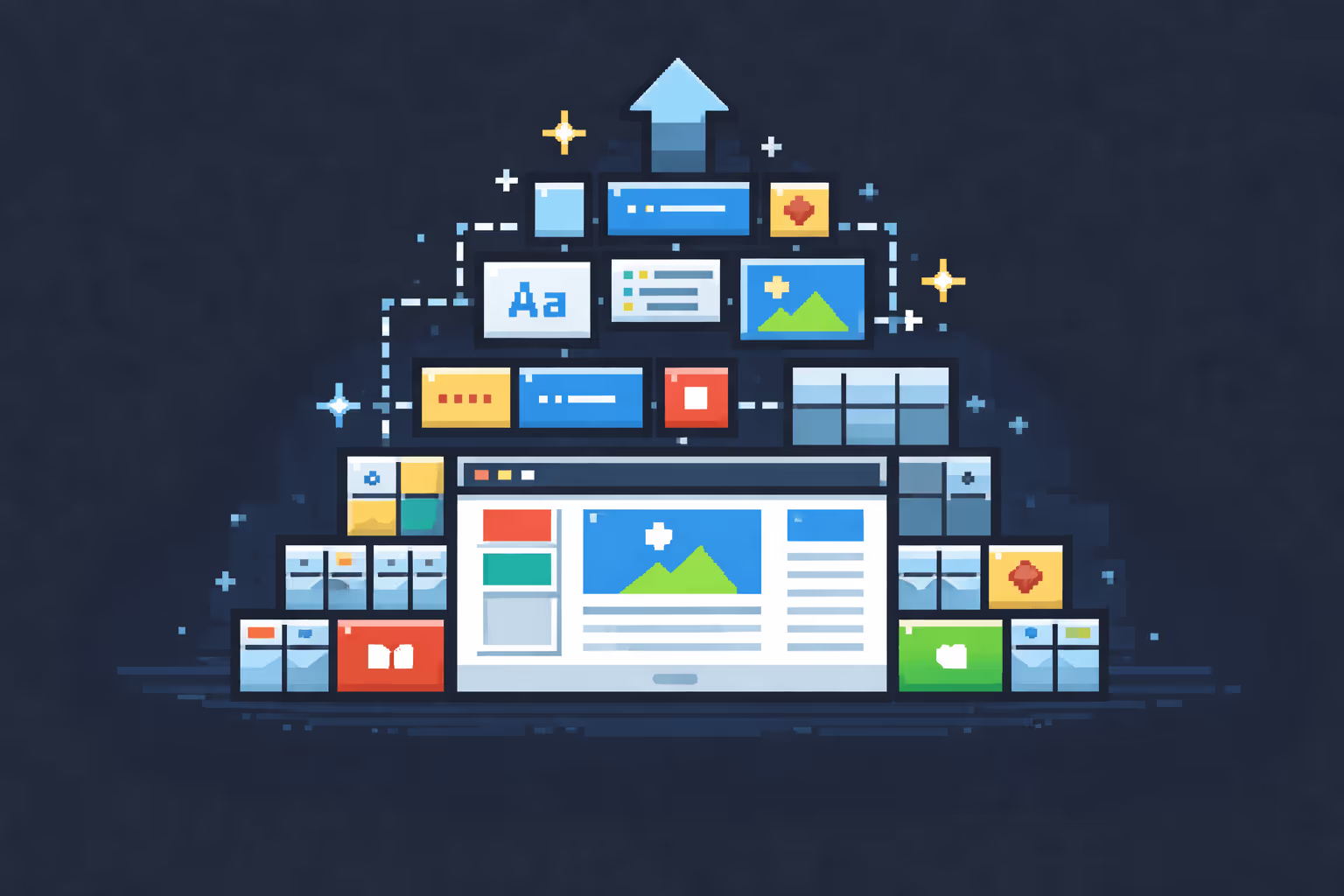
Most Webflow frameworks, including MAST and Client-First, use defined spacing tokens, naming conventions, and component logic. When designers work within these constraints from the start, the Figma file naturally maps to the Webflow build rather than creating conflicts.
This doesn't require deep technical expertise. It requires familiarity with how the framework approaches layout, what spacing increments it uses, and how components are typically structured. That level of understanding is achievable by most designers within a short onboarding period.
What happens when designers don't understand the framework
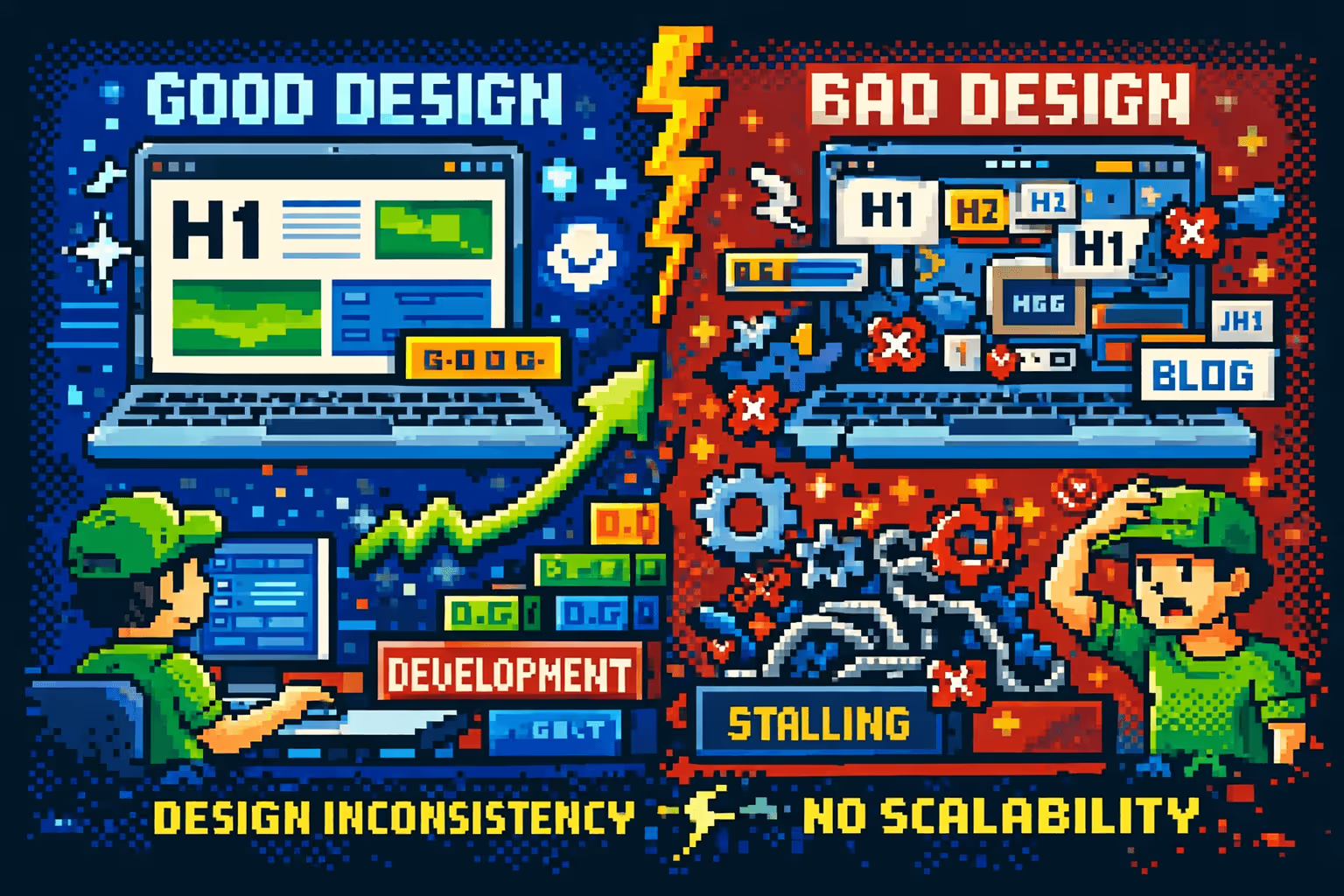
When designers work in isolation from the framework, inconsistencies appear. Custom spacing values, one-off components, and layout decisions that don't fit the grid all increase development time and reduce long-term maintainability.
In larger projects, these inconsistencies compound. Each workaround adds friction to future updates, making the site harder to scale and more expensive to maintain over time. This is one of the core reasons design misalignment breaks the development process.
A practical recommendation for design teams
The most effective approach is a short onboarding session at the start of each project. Designers don't need to master the framework, but they should understand its core logic before opening Figma. This single investment typically saves hours of development time and produces a more consistent final result.
Cross-disciplinary awareness is not about blurring roles. It's about making collaboration more efficient at every stage of the project.

Milan Kostic
Freelance Webflow Developer