How to fix conversion issues when you already have traffic
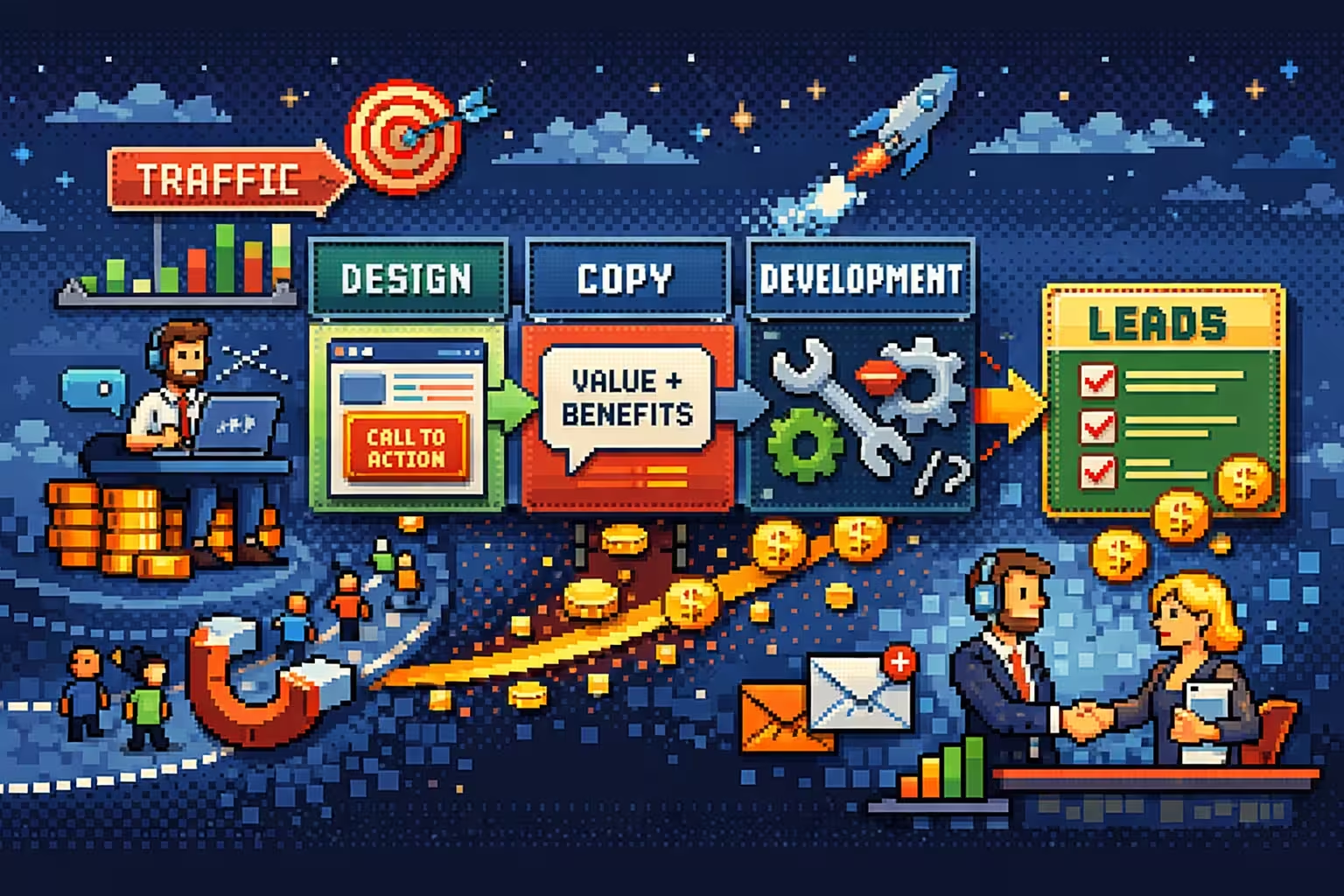
If your website already has consistent or growing traffic, that's a strong advantage. It means something is already working. Your marketing channels are bringing people in, your audience exists, and there is real interest. The issue is not visibility, it's conversion.
Traffic is proof of potential. The real question is how to turn that potential into actual leads and customers.
Start by changing the question
Instead of asking "How do we get more traffic?", the better question becomes "Why aren't our current visitors converting?". This shift in perspective is critical. Increasing traffic before fixing conversion issues often leads to wasted budget and growing frustration.
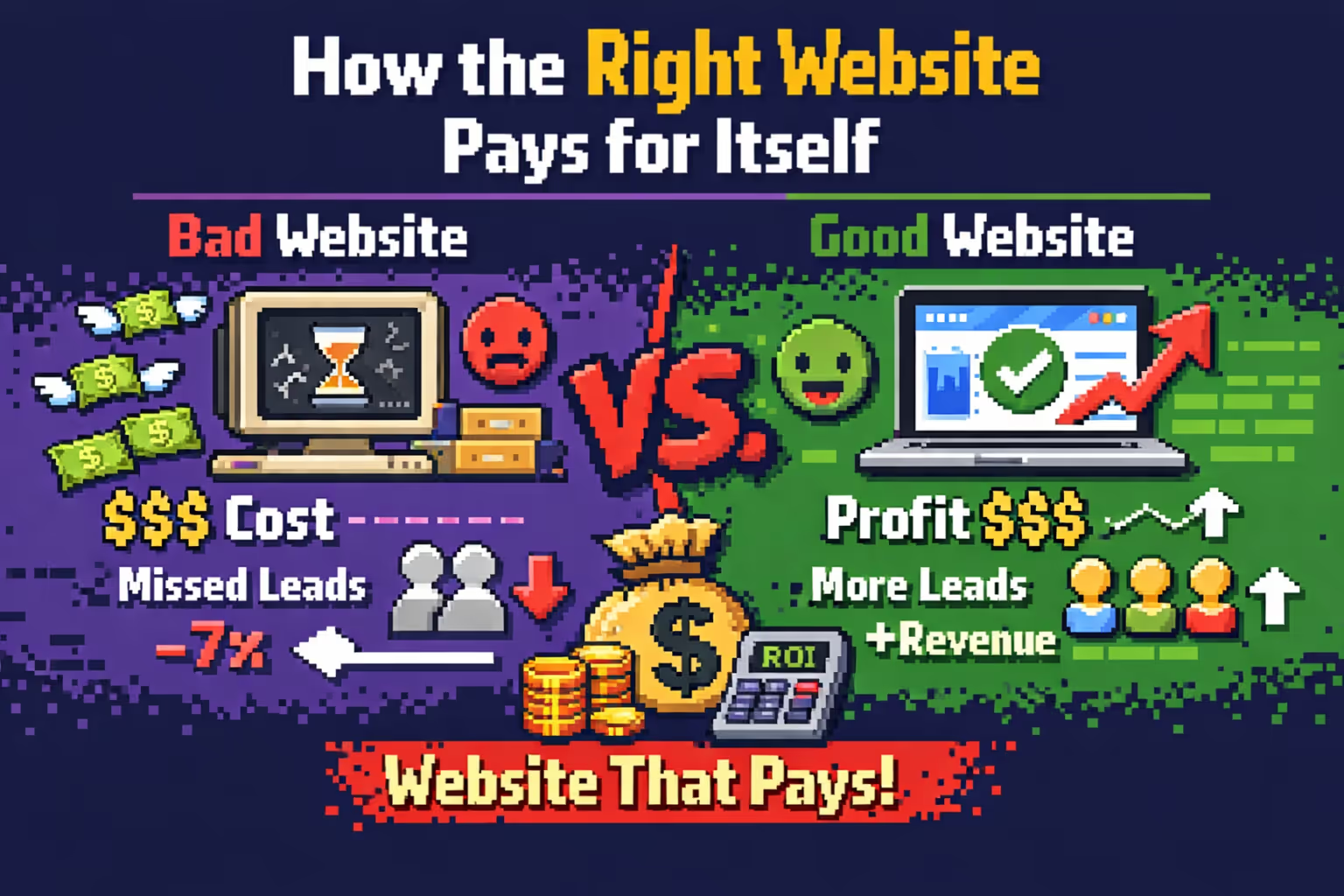
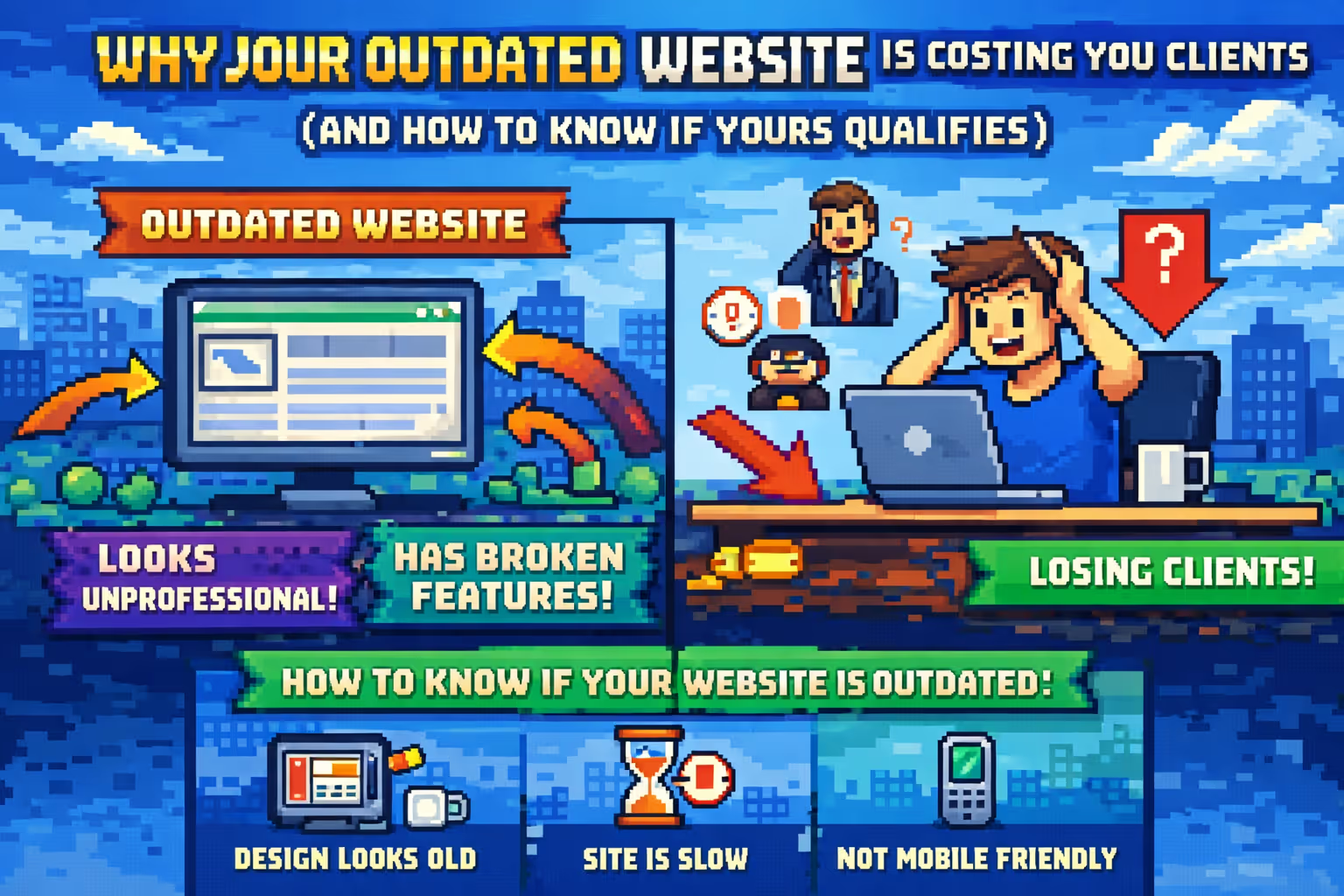
When traffic is already there, improving the website itself usually delivers a much higher return than adding new acquisition channels. Understanding whether your site is even positioned right starts with an honest look at whether an outdated website is costing you clients.
Identify the real problem, not just the symptoms
Low conversion rates, high bounce rates, or short session durations are symptoms, not root causes. In most cases, the real issue lies in the misalignment between design, messaging, and technical execution.
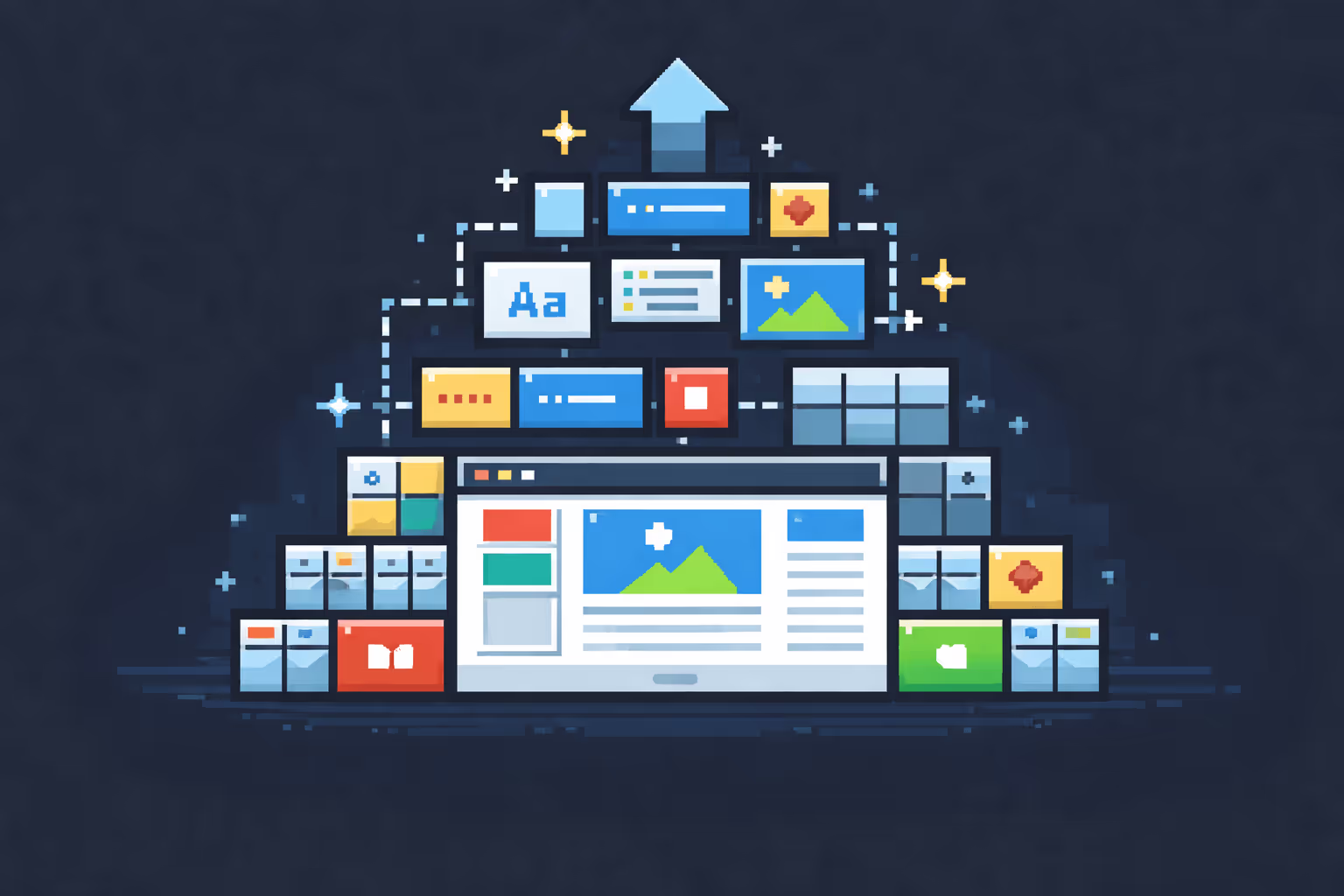
This is why conversion problems can't be solved by focusing on a single discipline. It's not just about "better design" or "better copy." It's about whether the entire website works together as a system guiding users toward a clear action.
Design that guides, not just looks good
When traffic is already flowing, design needs to take on the role of a guide. Its job is to create focus, highlight what matters, and remove distractions. Visual quality matters, but clarity matters more. For a deeper look at what separates visually impressive sites from ones that actually perform, see the difference between award-winning and high-converting websites.
A conversion-focused design:
- clearly emphasizes the primary action
- guides the user's attention through content in a logical flow
- reduces unnecessary choices
- supports the message instead of competing with it
Without this structure, even interested users hesitate and delay decisions.
Copywriting that answers real user questions
Once design establishes the flow, copywriting must do the heavy lifting. It should explain value, reduce uncertainty, and answer the questions users are already asking themselves. What exactly do I get? Why should I trust this? What happens after I click? What's the risk?
In many cases, the problem isn't missing content, it's unclear or unfocused messaging. Generic language and vague promises don't move users forward. Clear, direct, benefit-driven copy does.
Development that removes friction instead of creating it
When design and copy are aligned, development's role is to ensure nothing gets in the way of action. Performance, stability, mobile experience, and reliable forms all play a critical role at this stage.
Even small technical issues can break momentum at the exact moment a user is ready to convert. Development should support the decision, not interrupt it. This is one reason why choosing the right platform from the start matters so much.
The most important factor: working with the right team
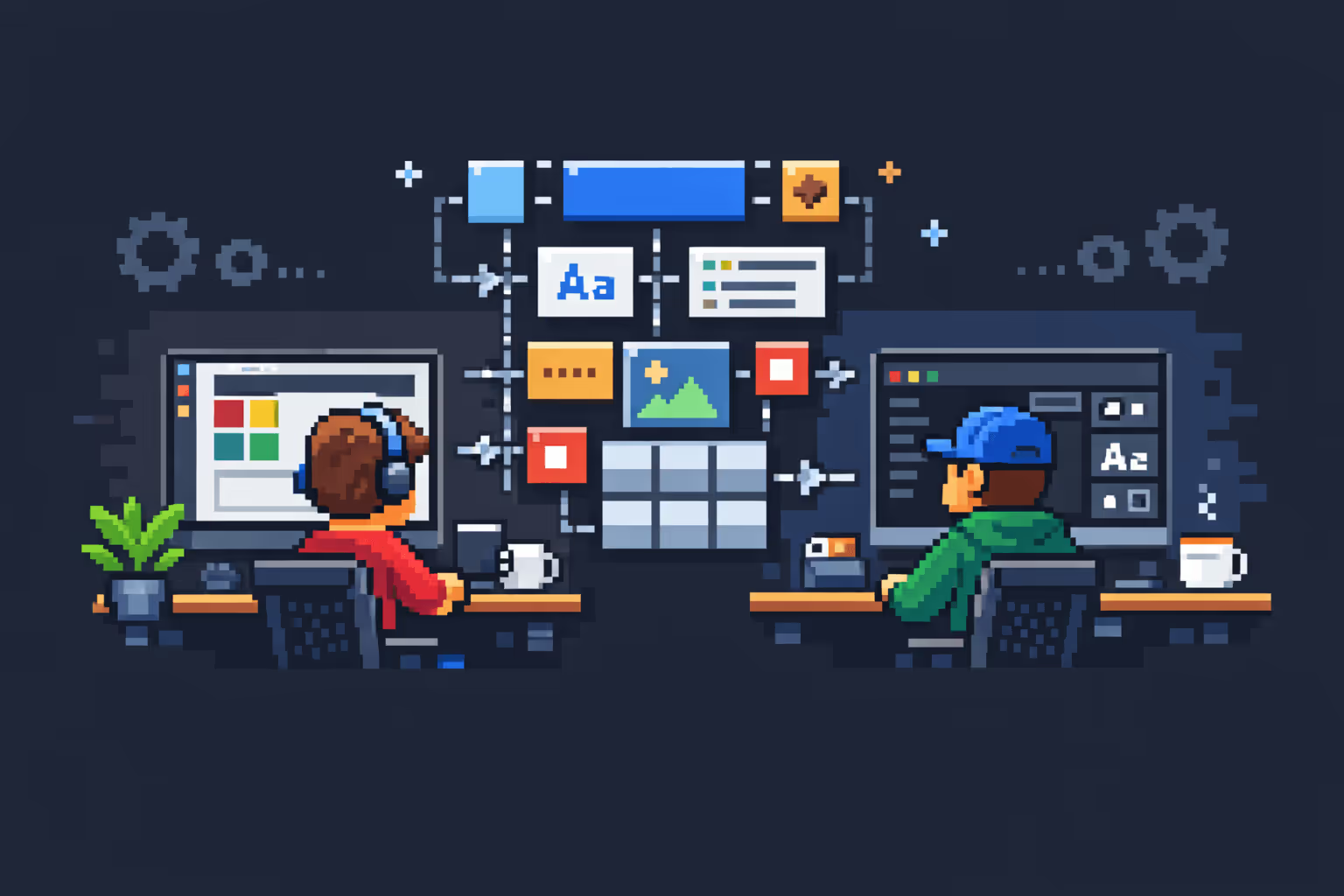
Conversion problems are rarely solved by isolated tasks. They require people who understand how marketing flows into the website and how design, copywriting, and development must work together.
The right partner:
- understands business and marketing goals, not just visuals or code
- thinks in funnels, not just pages
- treats the website as a system, not a static project
- works iteratively through testing and improvement
Without this mindset, changes tend to stay superficial and short-lived.
Focus on iteration, not redesigns
A full redesign is not always the answer. When traffic already exists, the biggest gains often come from small, strategic improvements. Clearer calls to action, better page structure, stronger messaging, or the removal of a single friction point can outperform large visual overhauls.
A high-performing website is never "finished." It evolves continuously based on real user behavior.
Conclusion
If your website already gets traffic, that's not the problem, it's the opportunity. It means interest exists and acquisition channels are working. The next step is building a system that turns visitors into customers.
That requires aligned design, clear messaging, solid technical execution, and people who understand how all of those elements work together. When they do, your website stops being a passive presence and becomes an active driver of growth.
If you'd like to talk to someone who will genuinely listen to your challenges, understand them properly, and help you identify the right path forward, feel free to reach out. We can schedule a discovery call to discuss what's holding your website back and how it can be improved to better support your business goals.

Milan Kostic
Freelance Webflow Developer