Webflow App Gen: A Complete Guide to the AI Revolution in Web App Generation
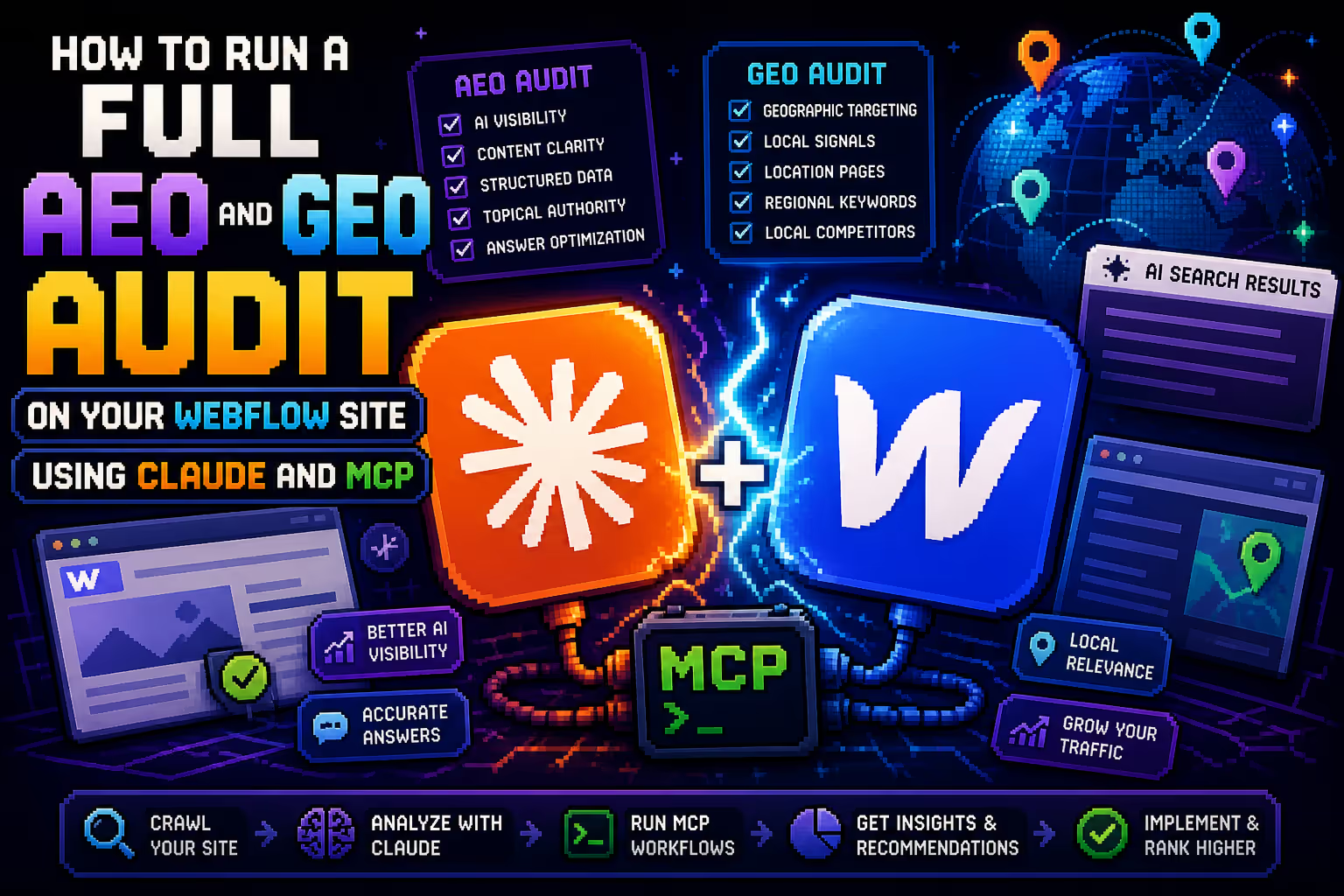
The world of digital design and development reached a major turning point on November 12, 2025, with the launch of Webflow App Gen. This innovation is not just another feature release. It marks the evolution of the Webflow platform from a website-building tool into a powerful system for generating full-stack web experiences directly within the same ecosystem.
Powered by artificial intelligence, the traditional boundary between design and application development is now almost completely removed. Creators can build complex, functional tools without writing a single line of code, relying instead on natural language and their existing design systems. To understand the platform this builds on, see our complete overview of what Webflow is.
What Is Webflow App Gen
Webflow App Gen is an AI-powered tool that allows users to turn a simple text prompt into a production-ready application. It is designed for a wide range of users, from freelance designers and startup teams to large agencies.
Unlike traditional AI code generators that output generic or isolated code, App Gen creates applications that are deeply integrated into the Webflow ecosystem. This ensures the resulting apps are stable, scalable, and ready for real-world use, without the friction usually found between design and production environments.
The tool is currently available in public beta and can be accessed on all Webflow site plans, significantly lowering the barrier to experimentation and innovation.
Visual Consistency and Brand Alignment
One of the biggest challenges with AI-generated applications is maintaining visual consistency. Webflow App Gen addresses this problem in a highly elegant way.
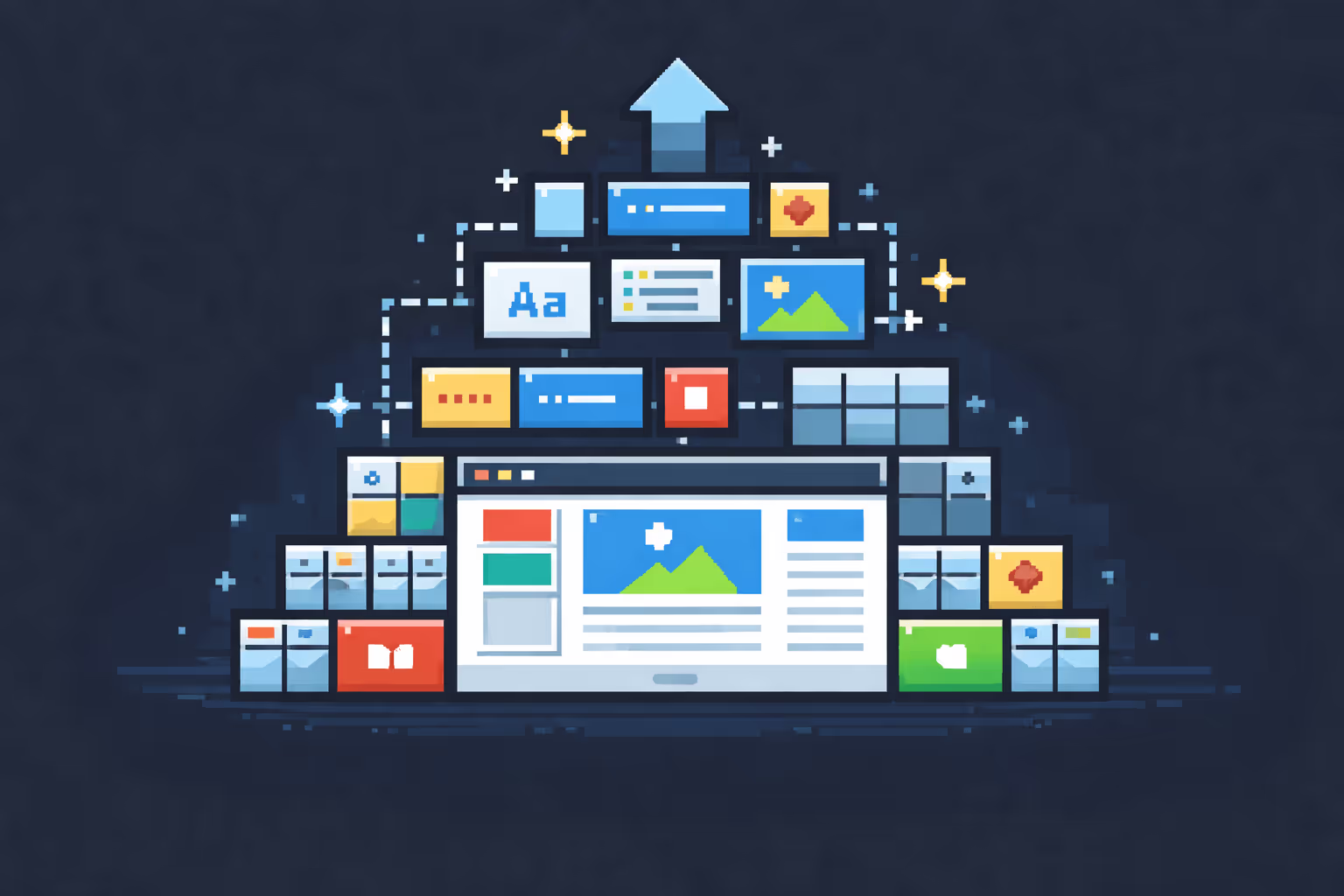
Applications generated with App Gen automatically inherit the site's existing design system. Variables, colors, typography, and components are pulled directly from the project, ensuring that every new element feels native to the brand.
As a result, brand identity remains intact without the need for manual styling or post-generation adjustments.
The Power of the CMS: From Static Pages to Real Tools
The true strength of Webflow App Gen becomes apparent through its deep integration with the Webflow CMS. Instead of isolated apps, creators can build dynamic tools that leverage existing site data.
This enables the creation of interactive directories with advanced filtering and search, custom calculators that process data in real time, and dashboards that visualize CMS data for clients or internal teams.
With this approach, a Webflow site evolves from a static marketing presence into a functional platform.
Security and Hosting on Webflow Cloud
Once an application is ready, deploying it to production is intentionally simple. With a single click, the app can be published to Webflow Cloud and hosted alongside the main website in the same secure environment.
While the App Gen functionality itself is free during the beta period, applications deployed to production follow standard Webflow Cloud hosting pricing. This ensures reliability, security, and scalability without requiring additional infrastructure or third-party services. For teams thinking about the broader implications of platform performance, why SaaS companies are moving to Webflow covers this strategic shift in detail.
How to Enable App Gen in Your Workspace
To start using App Gen, Webflow AI must be enabled in your workspace settings.
For Enterprise users, there is an additional step. In addition to enabling Webflow AI at the workspace level, it must also be activated within the settings of each individual site. Once enabled, App Gen becomes available alongside the platform's other AI features.
Learning Resources and What's Next
Webflow has provided a strong set of learning resources for those looking to explore App Gen in depth. These include detailed documentation, an official launch blog post, and a live demonstration showcased during the Webflow Conf 2025 keynote.
This release represents only the beginning of Webflow's journey into AI-driven application generation. Future updates are expected to further empower creators and teams to build sophisticated digital products without traditional technical barriers.

Milan Kostic
Freelance Webflow Developer