Webflow vs WordPress which platform is right for your website
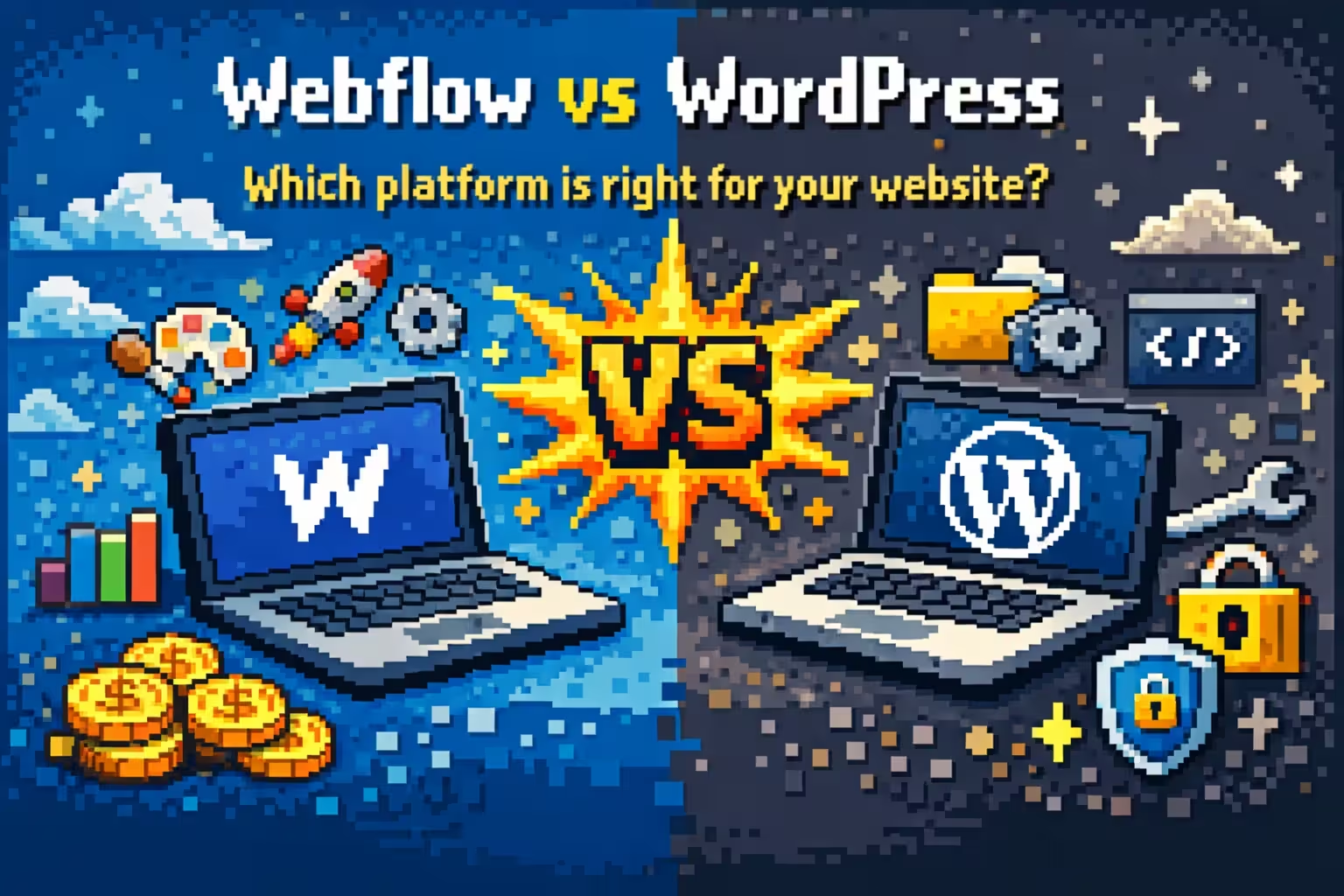
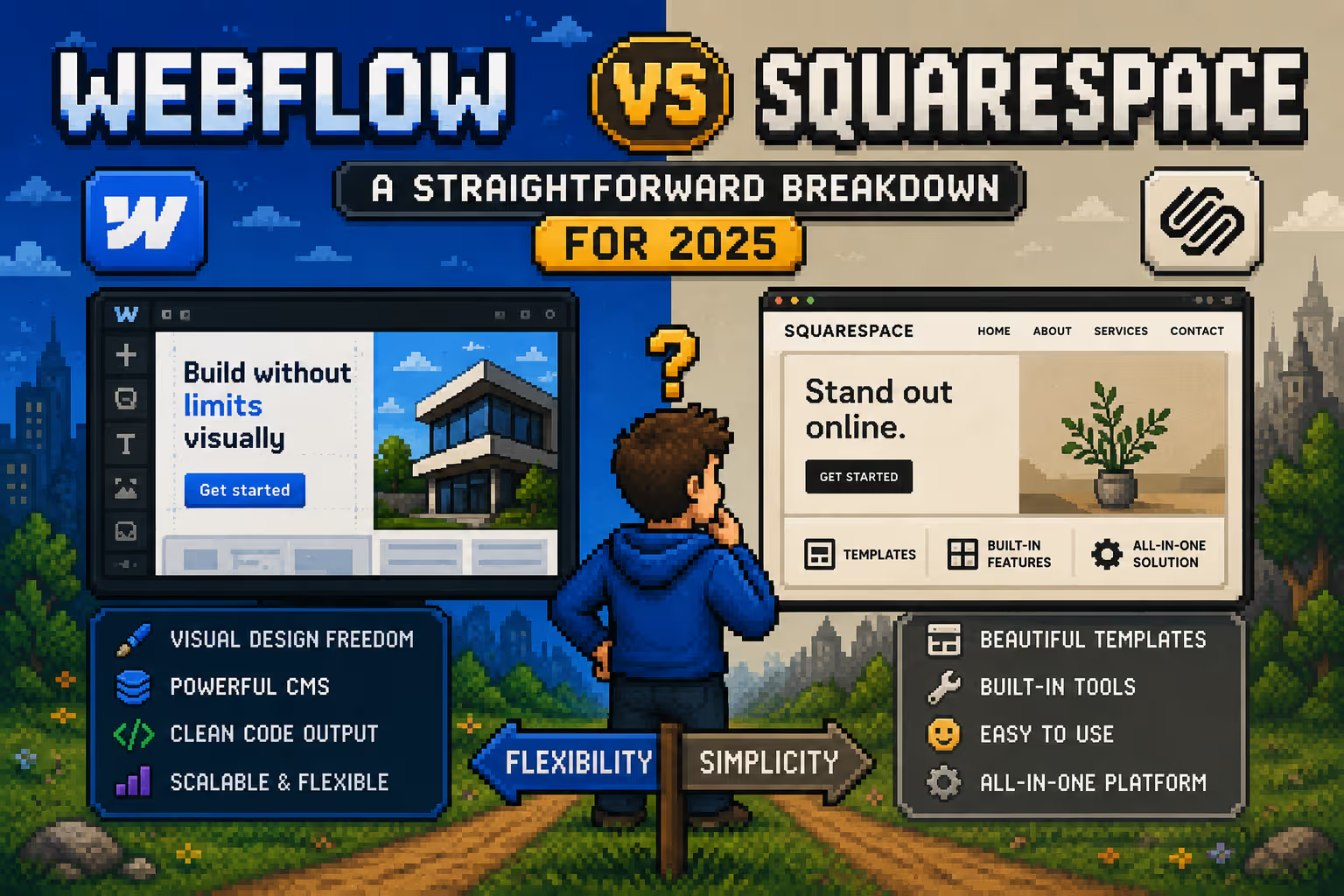
When building a website, one of the most common questions is whether to choose Webflow or WordPress. Both platforms are widely used, but they serve different types of users, projects, and long-term goals. While they may seem similar at first glance, the differences become very clear once you start working with them.
This article breaks down the key differences between Webflow and WordPress to help you decide which platform makes the most sense for your project. For a broader look at what Webflow actually is, see the complete Webflow overview.
What WordPress is and who it's for
WordPress is the most widely used CMS in the world and powers a large percentage of websites online. Its biggest strength is flexibility through themes and plugins. There is a massive ecosystem of extensions for almost any feature you can imagine, from blogs and online stores to complex membership systems.
That flexibility, however, often comes with trade-offs. The quality and performance of a WordPress site heavily depend on the theme and plugins being used. Over time, sites can become slower, plugin conflicts can appear, and regular updates become necessary to maintain security and stability.
WordPress is a solid choice if you need a quick solution, already have experience with the platform, or rely on specific plugins that don't exist elsewhere.
What Webflow is and why more teams are choosing it
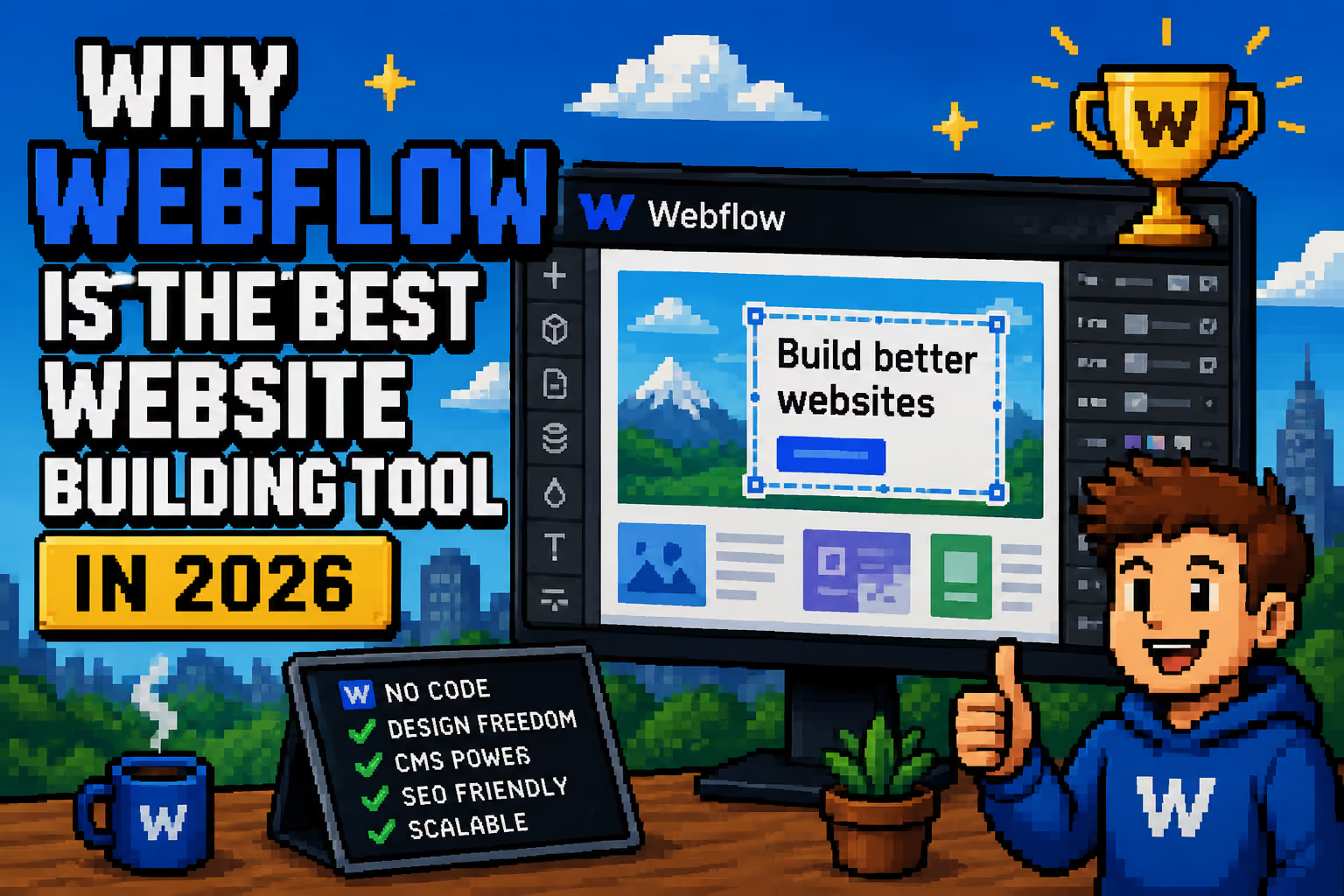
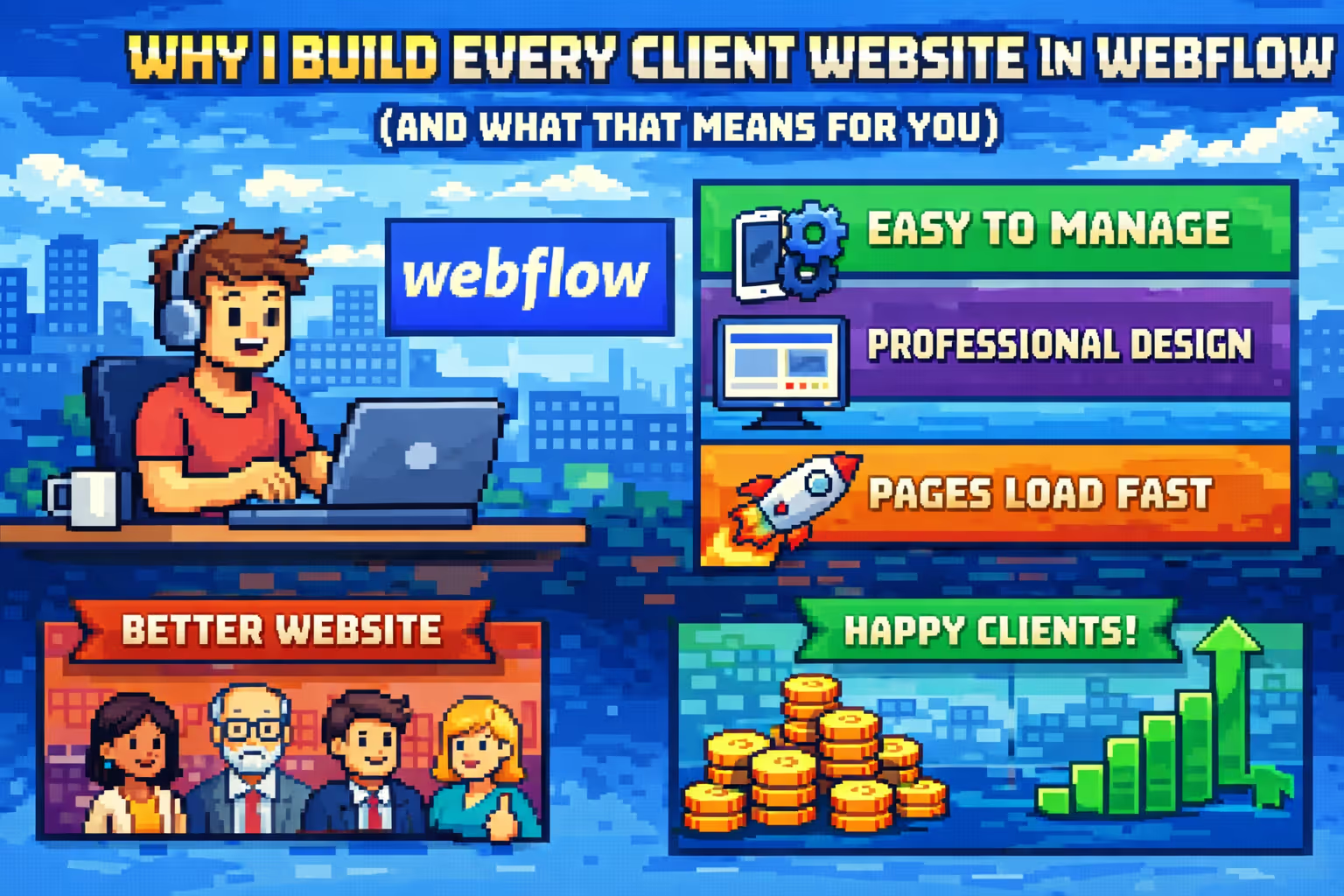
Webflow is a modern platform that combines design, development, and CMS into a single tool. Unlike WordPress, Webflow does not rely on plugins or third-party themes. Everything is built directly into the platform, resulting in more stable, secure, and high-performance websites.
One of Webflow's biggest advantages is full design control. What you design is exactly what you ship to production, without compromises. The code Webflow generates is clean, optimized, and performance-focused, which has a direct impact on page speed and SEO.
Webflow is especially popular among designers, startups, agencies, and companies that value scalability, maintainability, and a polished, professional web presence.
Design flexibility and visual control
With WordPress, design flexibility often depends on the chosen theme. While page builders offer customization, they frequently add extra complexity and can negatively affect performance. Fine-tuning layouts often requires custom CSS or workarounds.
Webflow is a design-first platform. It allows complete freedom when creating layouts, animations, and interactions without relying on additional tools. This makes it ideal for brands that want a unique and consistent visual identity.
CMS and content management
WordPress is fundamentally a CMS and excels at managing blogs and content. However, as projects grow, content structures can become messy without a clearly defined system.
Webflow's CMS is structured and flexible. Custom collections are directly connected to the design, making it easier to scale content while keeping everything organized. This also improves collaboration between designers, developers, and content editors, since everyone works within the same environment.
Which platform is more expensive?
In general, Webflow tends to be more expensive upfront compared to a basic WordPress setup, since hosting is included and there is no fully featured free tier. WordPress can appear cheaper at the start, using low-cost hosting and free themes. However, costs often increase over time as you add premium plugins, paid themes, security tools, performance optimizations, and better hosting. While WordPress may seem more affordable initially, the long-term costs of maintenance and add-ons can match or even exceed Webflow's pricing for professional, scalable websites. For a real-world look at what these sites cost, see the business website pricing guide.
Performance, security, and maintenance
WordPress websites require ongoing maintenance, frequent updates, and additional security measures. Performance and caching often rely on third-party services and configurations.
Webflow includes hosting, SSL, CDN, and security by default. There are no plugin updates to manage, which significantly reduces the risk of errors and downtime. This makes Webflow especially appealing to teams that want to focus on content and growth rather than technical upkeep. An outdated WordPress site that gets neglected can quietly cost a business more than it saves.
Which platform should you choose
WordPress is a good choice for traditional blogs, smaller budgets, or projects that depend on specific plugins. Webflow is a better fit for modern, performance-driven websites that require strong design control, scalability, and long-term stability.
Ultimately, the decision isn't about which platform is objectively better, but which one aligns best with your goals, your team, and how you plan to grow your website.

Milan Kostic
Freelance Webflow Developer