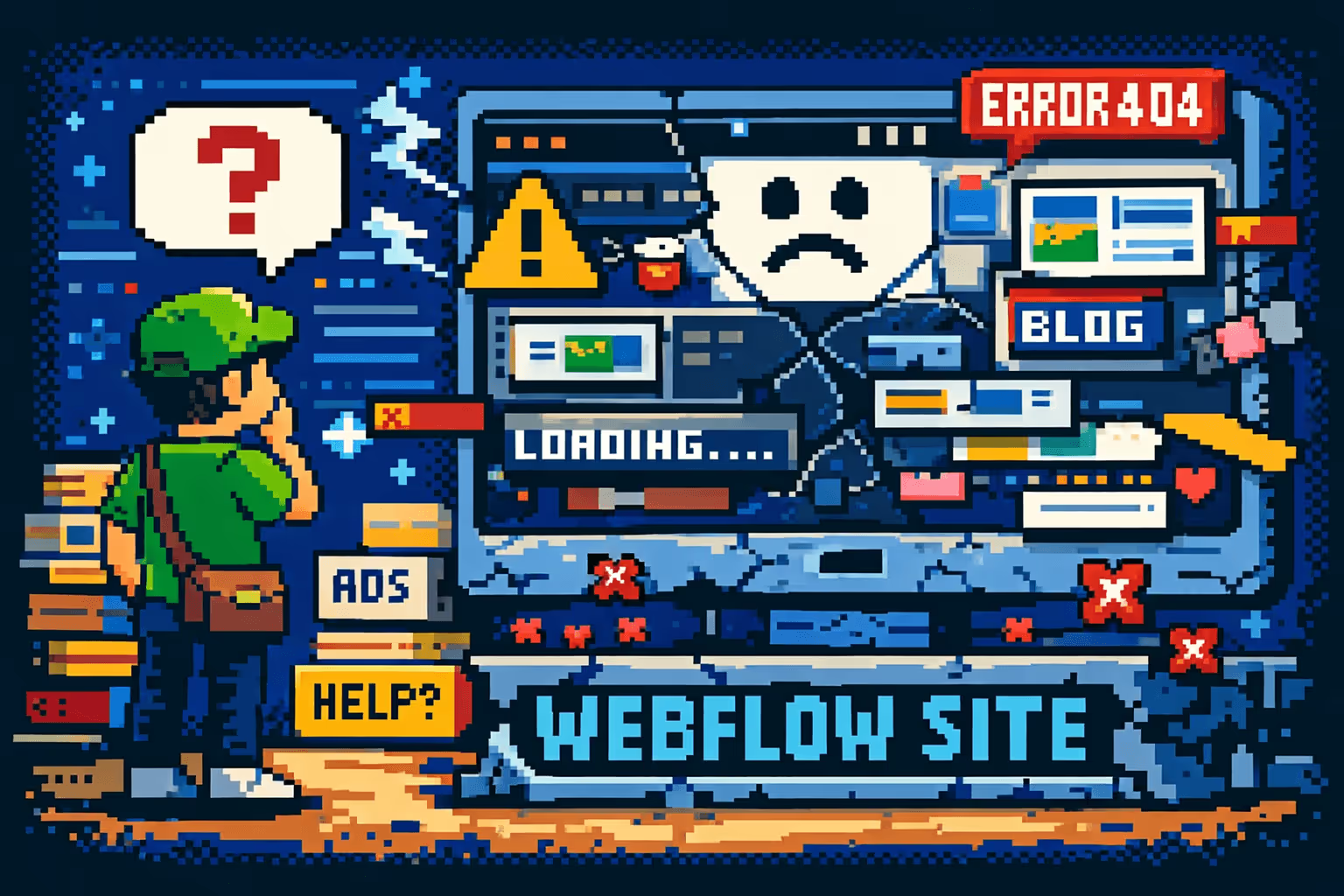
Why most Webflow websites do not scale well?
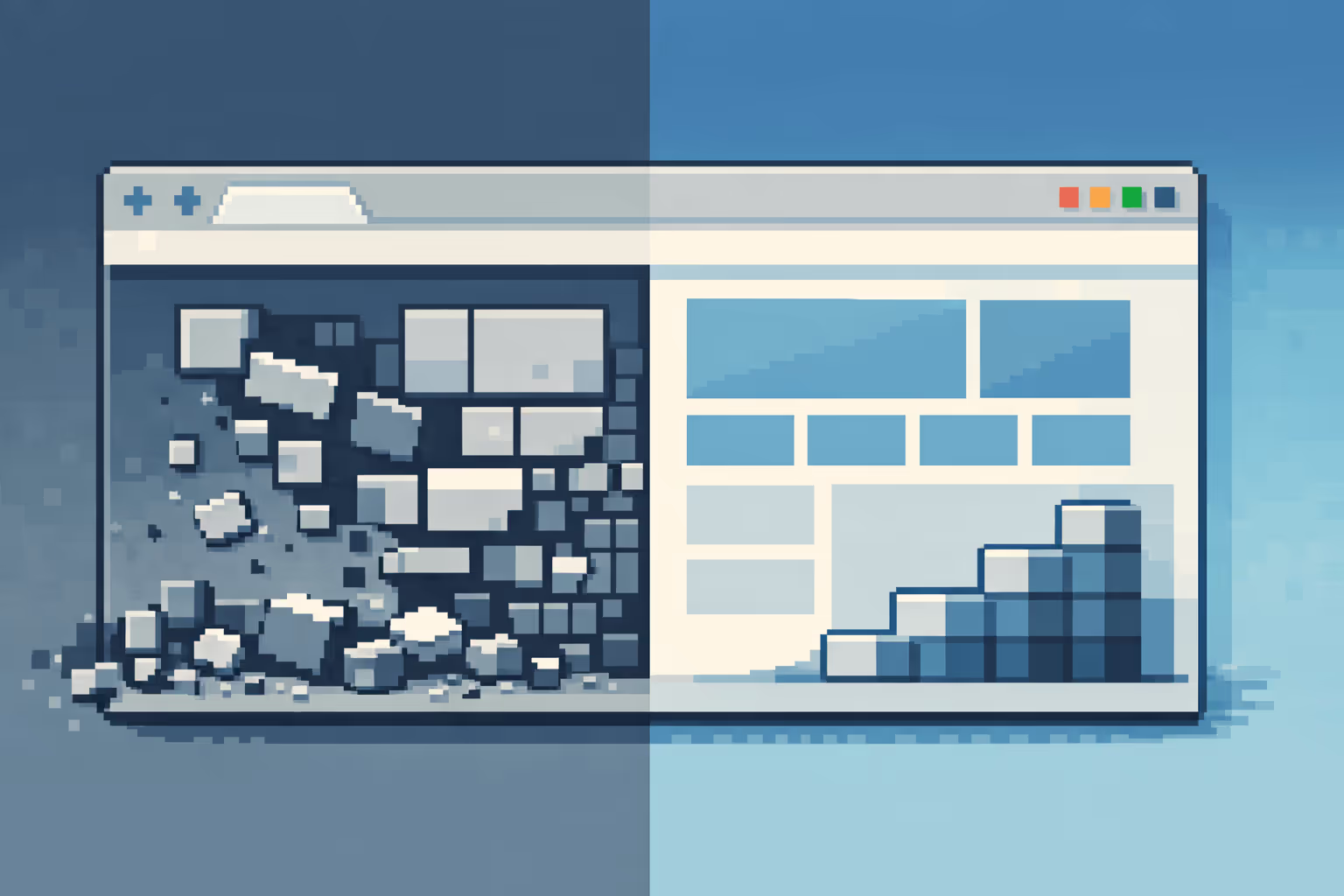
Webflow has become one of the most popular platforms for building modern websites. It is fast, flexible, and allows teams to launch polished websites without long development cycles. However, as projects grow, many Webflow websites begin to show serious limitations. Not because of the platform itself, but because of how those websites were originally built.
The issue is rarely Webflow. The real problem is that most Webflow websites are created with a focus on speed to launch rather than long term scalability. What initially looks like a clean and functional website often becomes difficult to maintain, slow to update, and increasingly fragile as the business grows.
Scaling is not just about performance
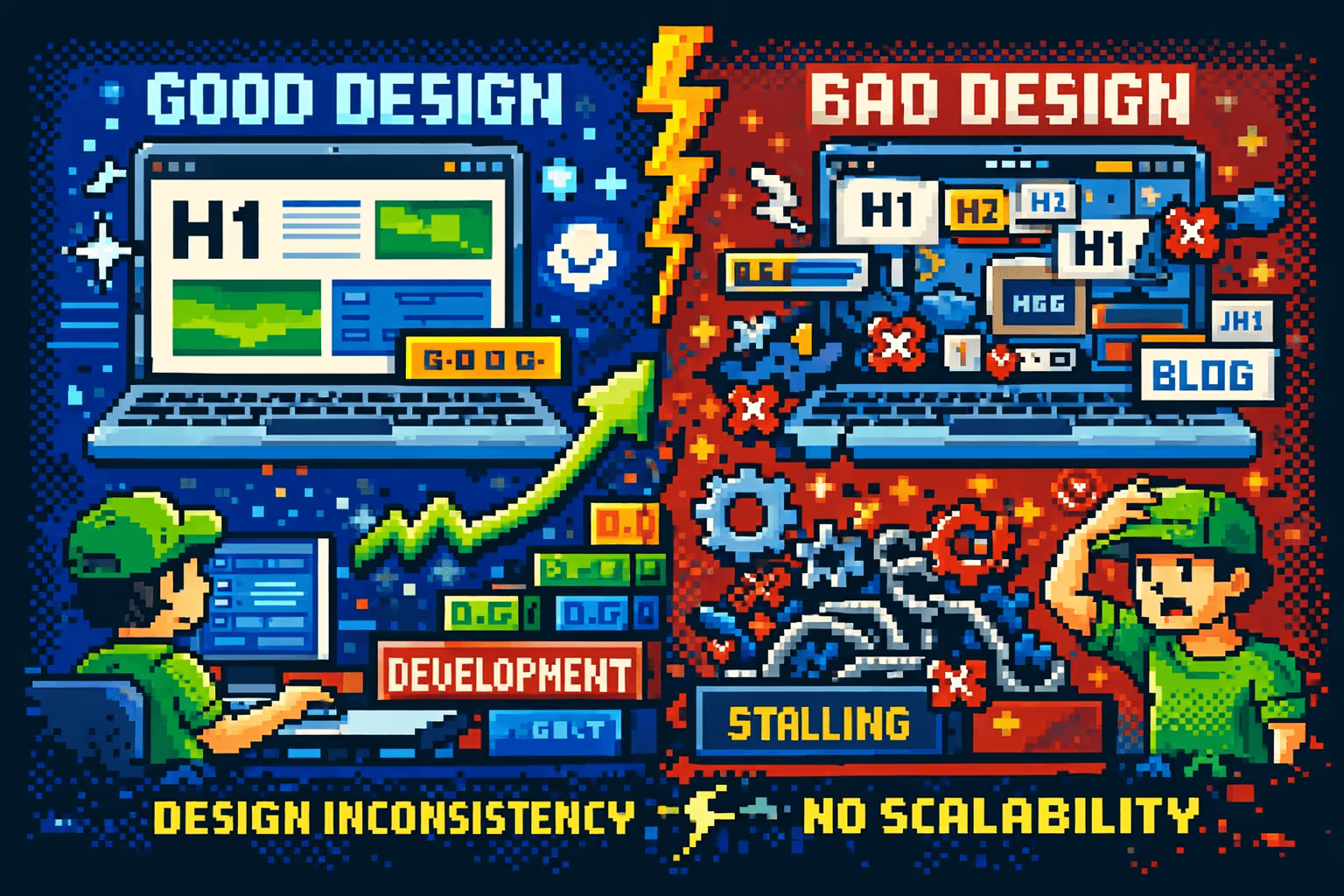
When people talk about scaling, they often think first about page speed and server load. In Webflow, these are generally handled well by the platform. The real scaling challenges are structural: how easy is it to add new pages, maintain consistent design, update components across the site, and keep the codebase organized as the project evolves.
A site that looks great at launch can become a maintenance burden within months if it lacks a proper structure from the beginning. This is why choosing the right Webflow framework from the start is one of the most important decisions in the build process.
The class naming problem
One of the most common structural issues in Webflow projects is inconsistent class naming. Without a defined system, class names accumulate over time in ways that make the site harder to understand and maintain. Developers working on the site later, including the original developer returning after a break, struggle to know what changes are safe to make and what might break something unexpected.
A clear naming convention, established at the beginning of the project, prevents most of these problems before they start. It is a small investment with significant long term returns.
CMS structure and content modeling
Another frequent issue is a CMS structure that was built for the initial launch but does not support the way the business actually needs to manage content over time. Collections that are too narrow, fields that require workarounds, or content that is hardcoded where it should be dynamic all create friction as the site grows.
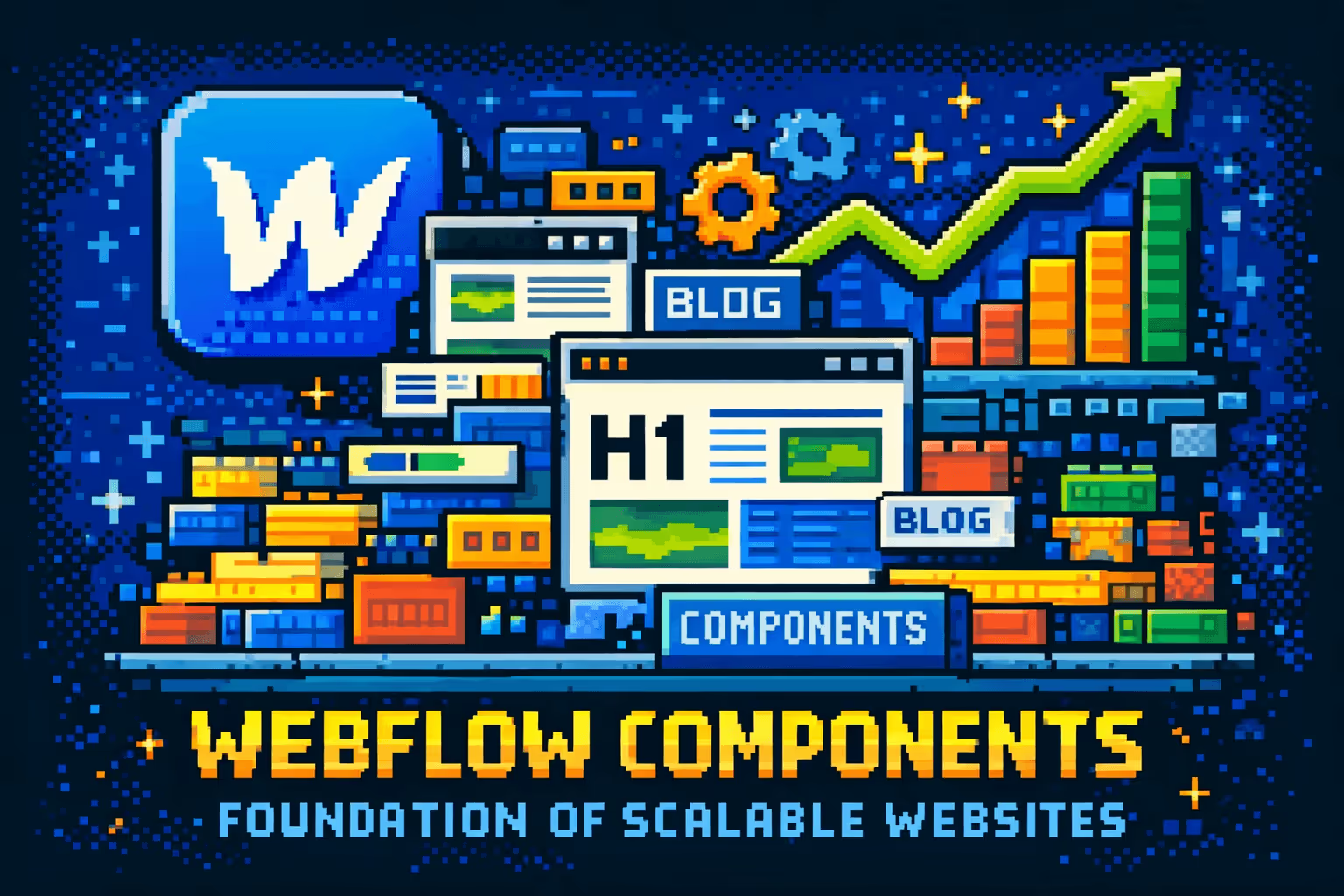
Good CMS design anticipates how content will evolve, not just what it looks like on day one. This connects directly to how Webflow components work: a component-based CMS is far easier to extend and maintain than one built page by page.
The accumulation of workarounds
Webflow's flexibility makes it easy to solve problems quickly. But quick solutions that work in the short term often create debt that has to be paid later. A custom interaction built for one specific case, a layout hack that only works at one breakpoint, or a CMS field repurposed for something it was not designed for, all of these add up.
The more workarounds exist in a site, the harder it becomes to make changes confidently. Every update carries the risk of breaking something that was already fragile.
What scalability actually requires
Building a Webflow site that scales well requires treating the project as a system from the start. This means choosing a framework, defining consistent patterns, building components that can grow with the content, and documenting decisions that future developers will need to understand.
It also means building for the team that will maintain the site, not just for the launch. A site that marketing and content teams can use confidently without constant developer support is a site that can grow without accumulating unnecessary costs and friction. This is also why marketing teams so often struggle to maintain Webflow sites that weren't built with them in mind.
The cost of rebuilding versus building right
Many businesses reach a point where their Webflow site needs to be rebuilt because it was never structured to scale. This is an expensive outcome that is almost always avoidable with better planning at the start.
The investment in structure, naming conventions, component systems, and clear CMS design pays off many times over compared to the cost of a rebuild triggered by a site that grew beyond what its foundations could support.

Milan Kostic
Freelance Webflow Developer