What is Webflow?
If you've ever Googled "website builder" and ended up more confused than when you started, this one's for you.
Because here's the thing: most people hear "Webflow" and immediately think it's just another drag-and-drop website builder. Something like Wix, but fancier. And that's where the misunderstanding begins.
Webflow is not a no-code tool. It never was.
It's a visual development platform that gives you the power of a hand-coded website, without ever writing a single line of code. And in 2026, it's doing more than ever before.
Let's break it all down.
Webflow is a Visual Code Editor
Here's the simplest way to understand what Webflow actually is.
Imagine Photoshop and a code editor had a baby. That's Webflow.
Everything you do visually in Webflow, resizing a section, changing a font, adding a hover animation, generates clean, production-ready HTML, CSS, and JavaScript in the background. You're not working around the code. You are writing code, just visually.
This means two things. If you already understand the basics of HTML and CSS, Webflow will feel like a superpower. If you don't, Webflow will teach you those basics without you even realizing it. And honestly? That's a great side effect.
The Three Pillars of Webflow
Webflow Designer
This is where you build. The Designer is the main canvas where you create pages, style elements, set breakpoints for mobile, and publish your site.
Think of it like After Effects but for websites. You have a layers panel, a style panel, and full control over every element on the page. It looks intimidating at first. But once it clicks, there's truly nothing faster for building complex, custom websites.
Webflow Editor
This is for your clients. Or your marketing team. Or anyone who needs to update content on the site without touching the design.
Anyone with access can click directly on text, images, or links and edit them right there on the page. No developer needed. No CMS login. Just click, type, publish.
Webflow CMS
This is where Webflow separates itself from almost every other platform out there.
Webflow CMS (Content Management System) lets you build dynamic content structures called Collections that power pages at scale. Think blog posts, team members, services, case studies, job listings, portfolio pieces. Each Collection is a database of content that feeds into a template design you create once.
Change the template design, and every page updates instantly. Add a new item to the Collection, and a new page is automatically created with the exact design you set up.
That's not just powerful. For growing businesses, that's a game-changer.
What's New in Webflow in 2026?
A lot has changed. And the biggest shift? AI is now a core part of the platform.
Webflow AI
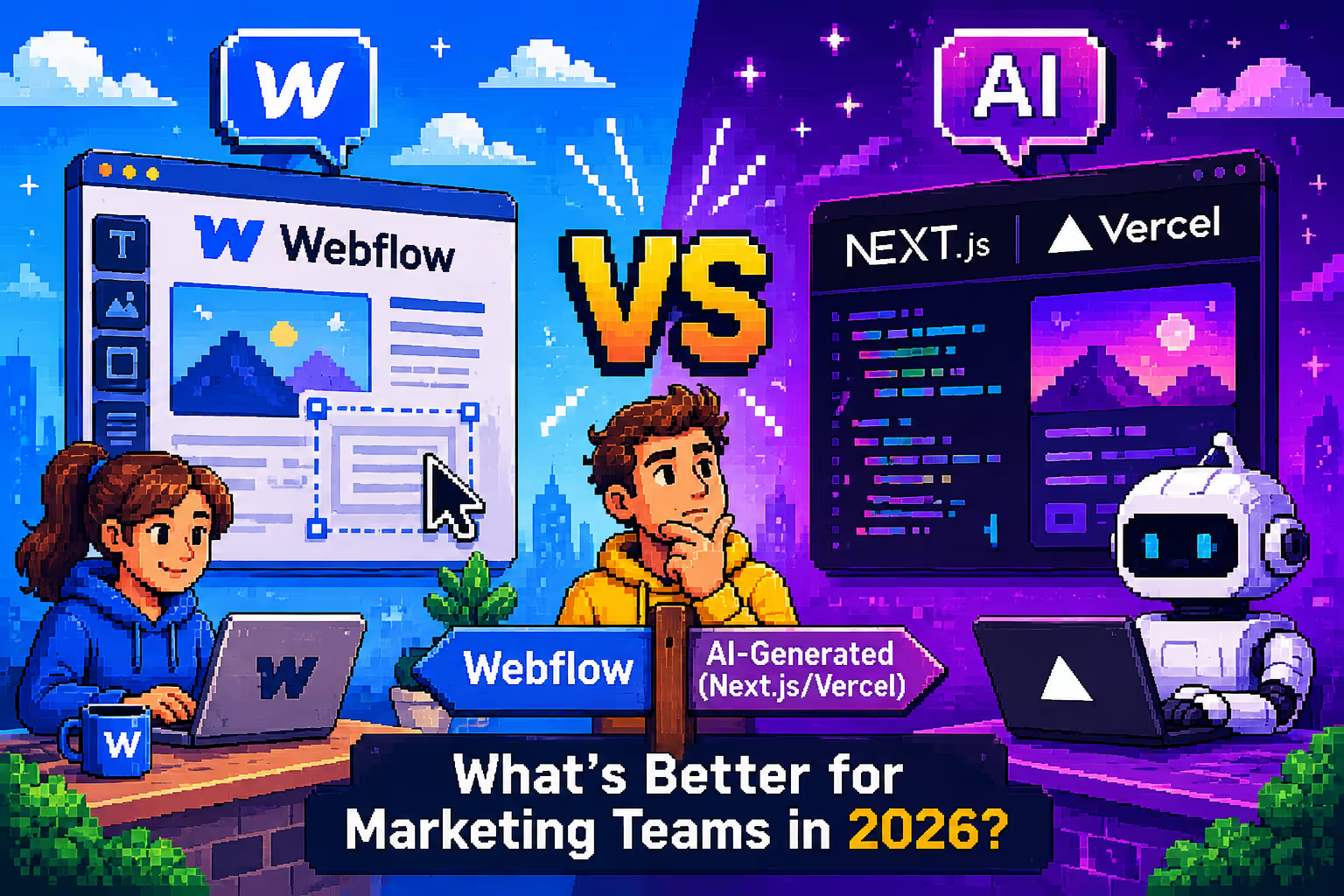
At Webflow Conf 2025, Webflow announced what they call a "prompt-to-production" approach. In plain English: you can now describe what you want in natural language, and Webflow AI builds it, including full multi-page sites, sections, copy, and even web apps.
This isn't a gimmick. The AI generates real, editable Webflow projects, not throwaway prototypes. Everything it creates lives inside your actual Webflow workspace, inherits your design system, and is ready to publish.
AI Site Builder lets you type a description of your business or project, and Webflow generates a complete multi-page site with structure, styles, and animations. You then continue building it in the Designer like any other Webflow project.
AI Assistant is a conversational assistant built directly into the Designer. Ask it to add a section, change a layout, generate copy for a CTA, or explain how something works. It knows your site and responds in context.
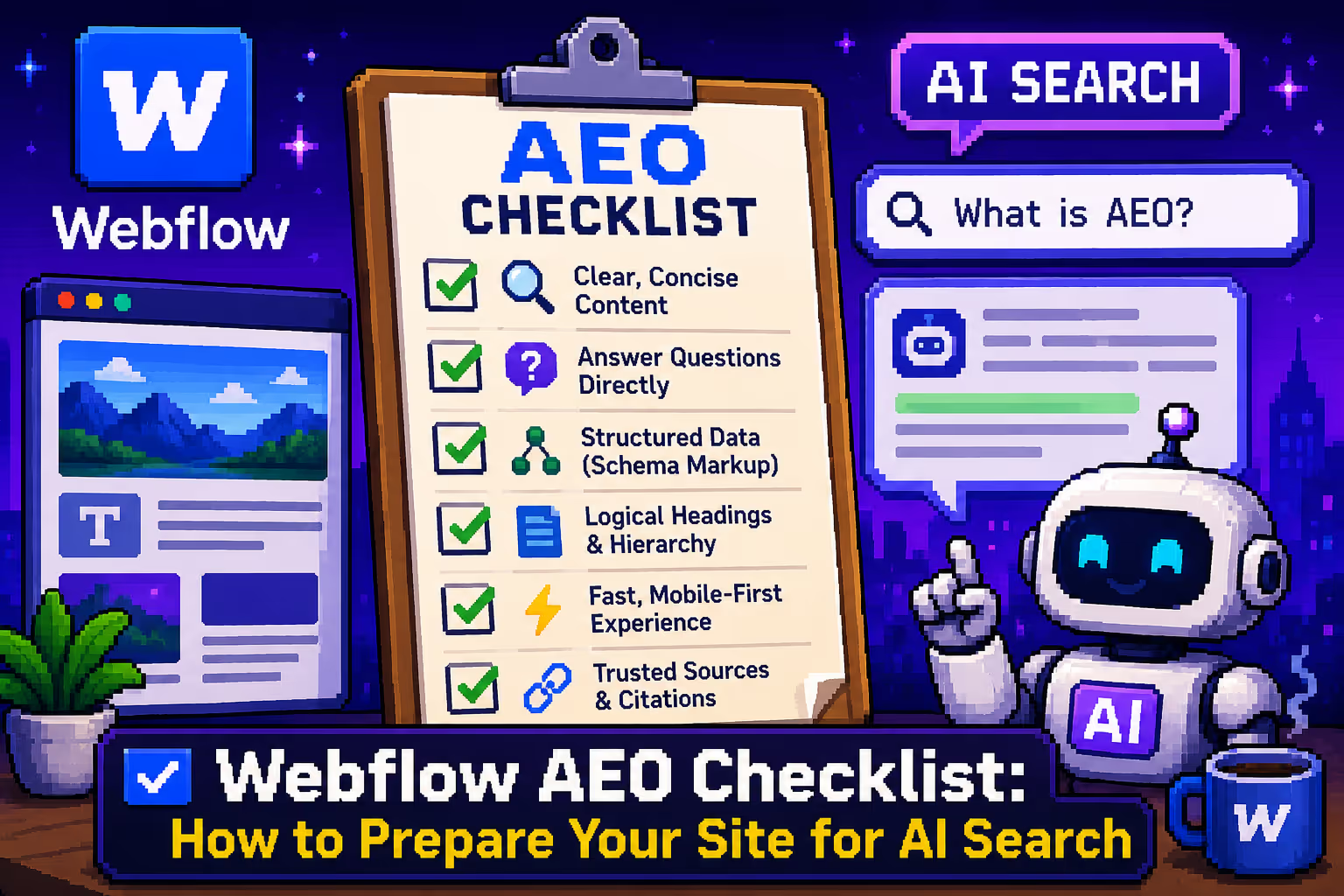
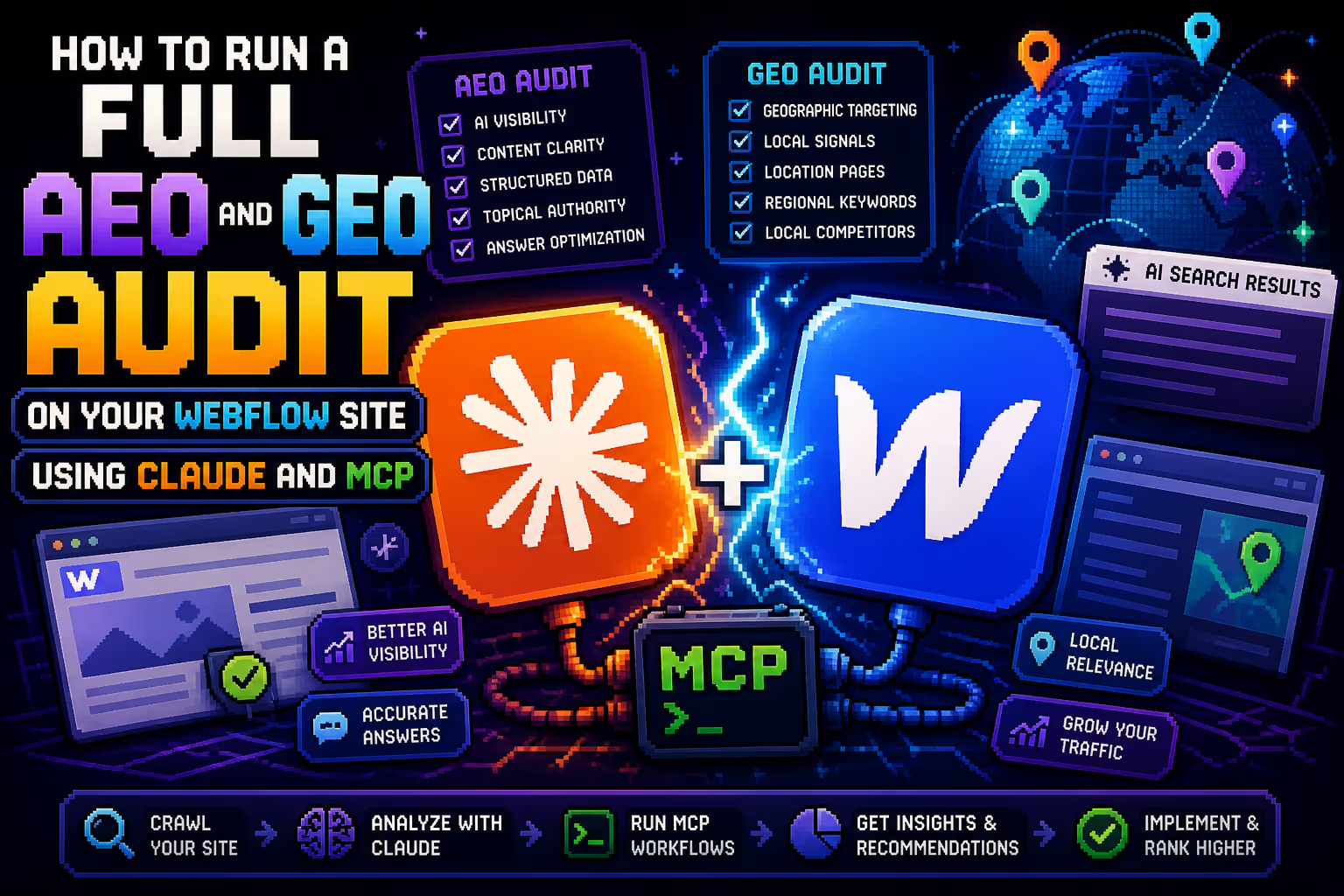
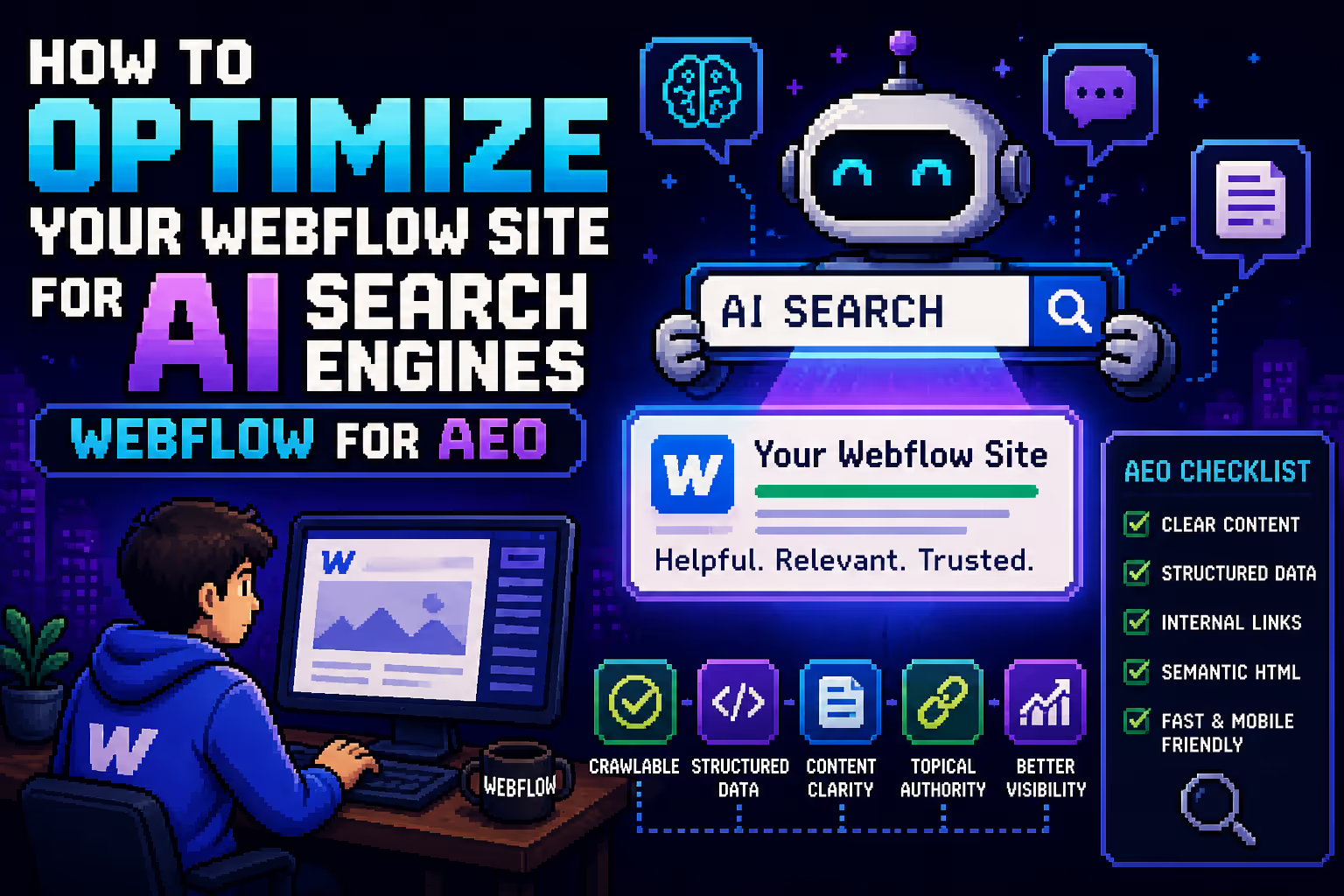
AI SEO and AEO means Webflow now helps you optimize not just for traditional search engines, but for AI-driven search (Answer Engine Optimization). As LLMs like ChatGPT and Perplexity become how people discover brands, Webflow is ahead of the curve.
AI CMS Audits let you run bulk CMS updates, SEO audits, and design system audits powered by AI recommendations, directly inside Webflow. This rolled out in February 2026.
AI Code Gen lets developers generate production-grade React components and web apps from a text prompt, which are then brought directly into the Webflow canvas as reusable Code Components.
GSAP Interactions
GSAP-powered interactions are now preserved when you copy and paste elements between Webflow sites. Previously, animations were one of the more painful things to transfer between projects. That problem is now solved.
Team Collaboration
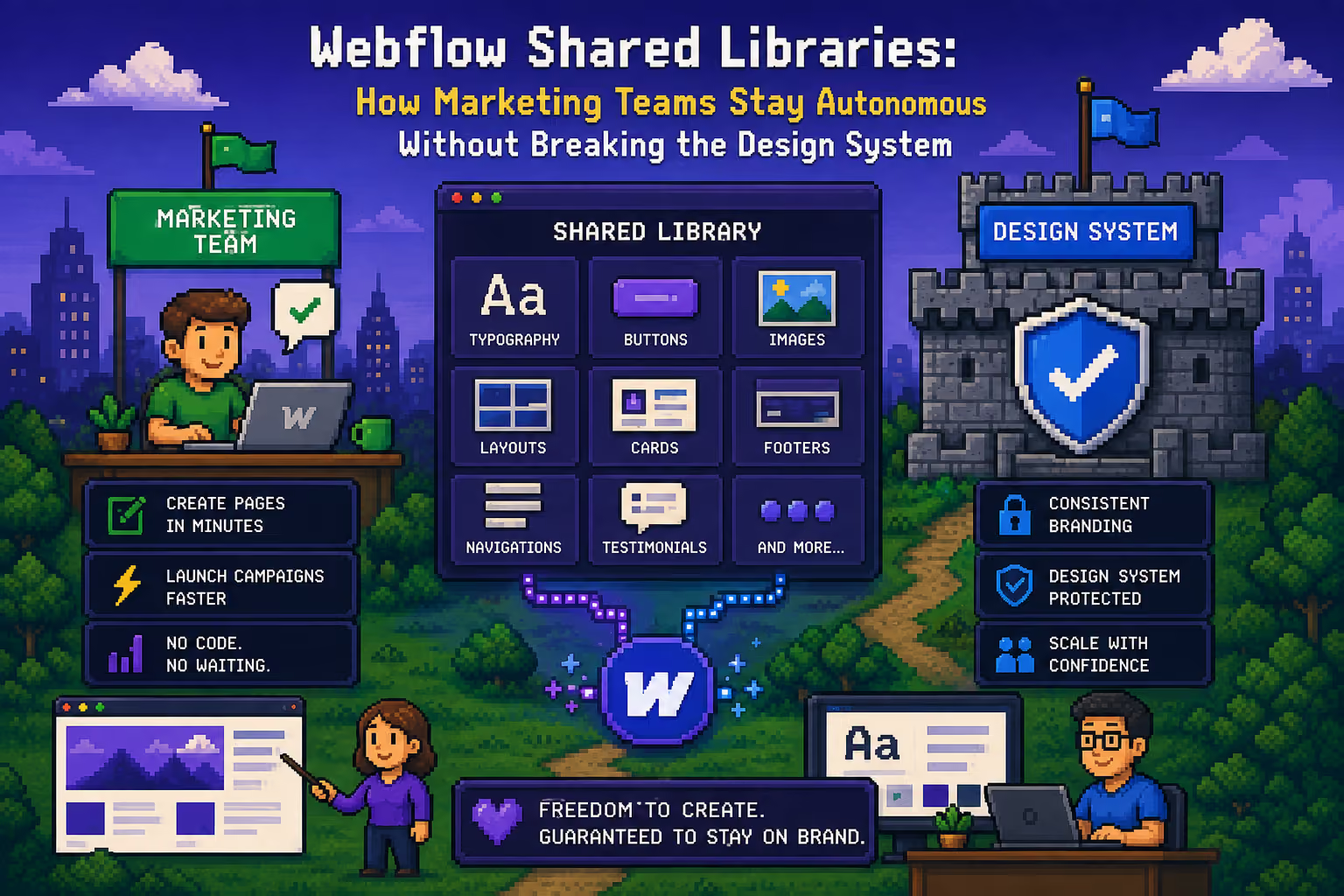
Webflow has invested heavily in collaboration features: expanded comments, comment-only sharing links for client feedback, and page-level editing restrictions so teams can work on a site without accidentally breaking sections they shouldn't touch.
Webflow for Marketing and SEO
This is where Webflow has always been strongest, and in 2026 it's even more true.
Webflow's code is lean. There are no plugins bloating your page load. For a full breakdown of how to get the most out of this, see the ultimate guide to Webflow SEO in 2026. No third-party tools causing conflicts. Features that WordPress requires paid plugins for, like title tags, meta descriptions, 301 redirects, sitemap.xml, robots.txt, and schema markup, are all built natively into Webflow.
The result is websites that are fast, technically clean, and built to rank. When you combine that with the CMS's ability to create unique content types at scale, you have a platform genuinely built for content-driven growth.
Webflow Pricing in 2026
Webflow pricing has gone through significant changes since 2024. Here's the current landscape.
Site Plans for individual websites start at $14/month for a Basic plan, ideal for simple brochure sites. CMS plans give you full dynamic content management, and Business plans handle high-traffic sites at greater scale. E-commerce starts at $29/month.
Workspace Plans for teams and agencies managing multiple sites start at $16/month for freelancers and $19/month for in-house teams.
There are also new paid add-ons worth knowing about. Optimize is AI-powered A/B testing and personalization to maximize conversions. Analyze is built-in website analytics, so you don't need to rely on Google Analytics for everything. Localization is machine-powered translation to serve a global audience.
One important note: Webflow deprecated its native Logic and User Accounts features in mid-2025, pointing users toward ecosystem partners like Zapier and Make for automation workflows.
Webflow for Enterprise
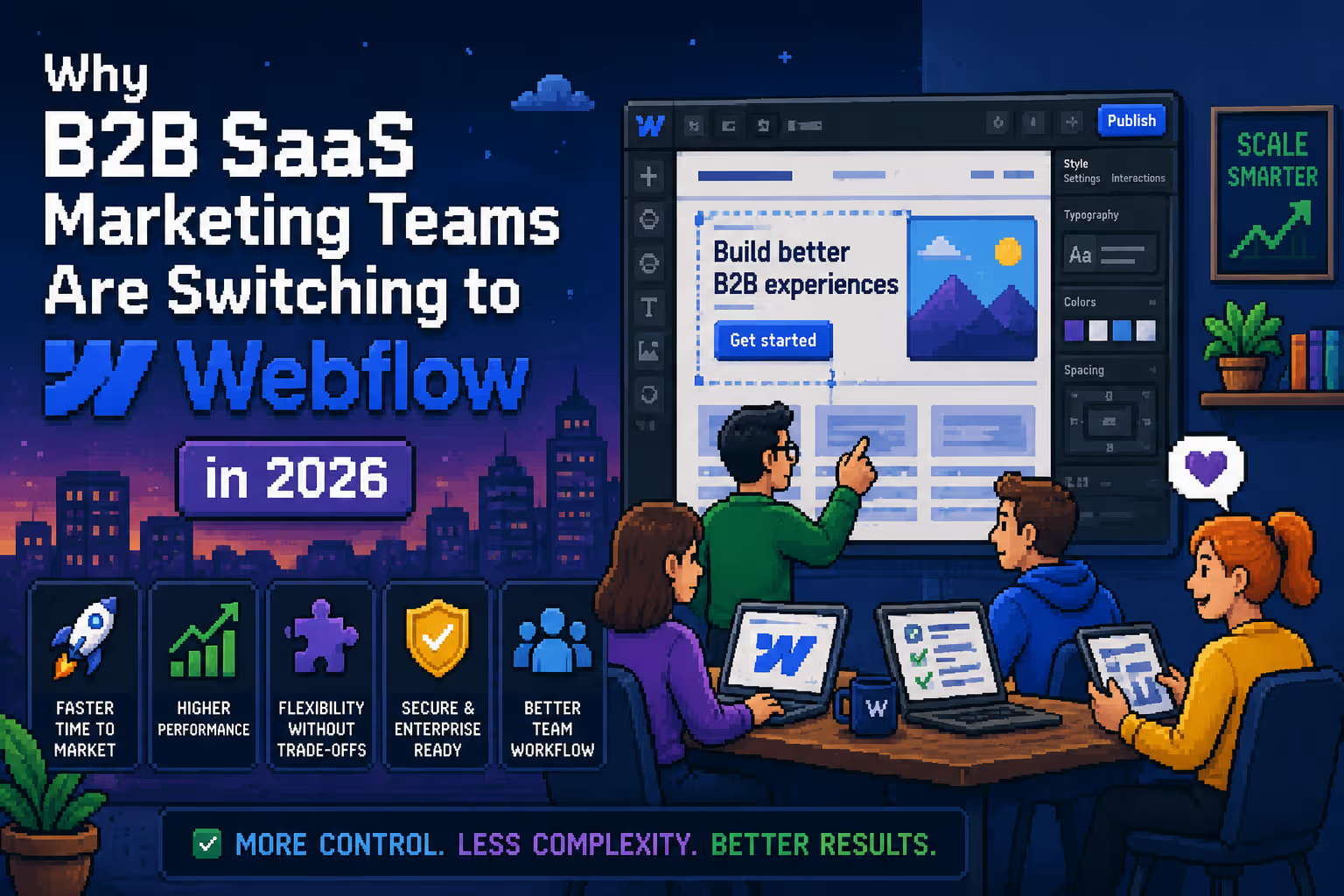
Webflow isn't just for startups and agencies anymore. In 2026, some of the world's biggest brands run on Webflow, and for good reason. If you're a SaaS company evaluating Webflow, read why SaaS companies should move to Webflow.
Enterprise teams get a dedicated tier with custom pricing that includes SLA guarantees, Single Sign-On (SSO), advanced security controls, unlimited bandwidth, and a dedicated customer success team. If you're running a global brand with dozens of team members touching the same website, this is where Webflow really steps up.
What makes Webflow compelling at the enterprise level is that marketing teams get full independence. They can launch new pages, run A/B tests with Optimize, localize content for different markets, and update the site daily, without waiting on developers or going through a lengthy deployment process. That speed-to-publish is something traditional enterprise CMS platforms like Adobe Experience Manager or Sitecore simply can't match without massive technical overhead.
For development teams, Webflow Enterprise supports custom code components, React integration, API connections, and clean handoffs between design and development. And because everything lives in one platform, you avoid the fragmented stack that most enterprise websites are built on.
The short version: if your website is a revenue-generating asset and not just a brochure, Webflow Enterprise gives you the control, security, and scalability to treat it that way.
Who is Webflow For?
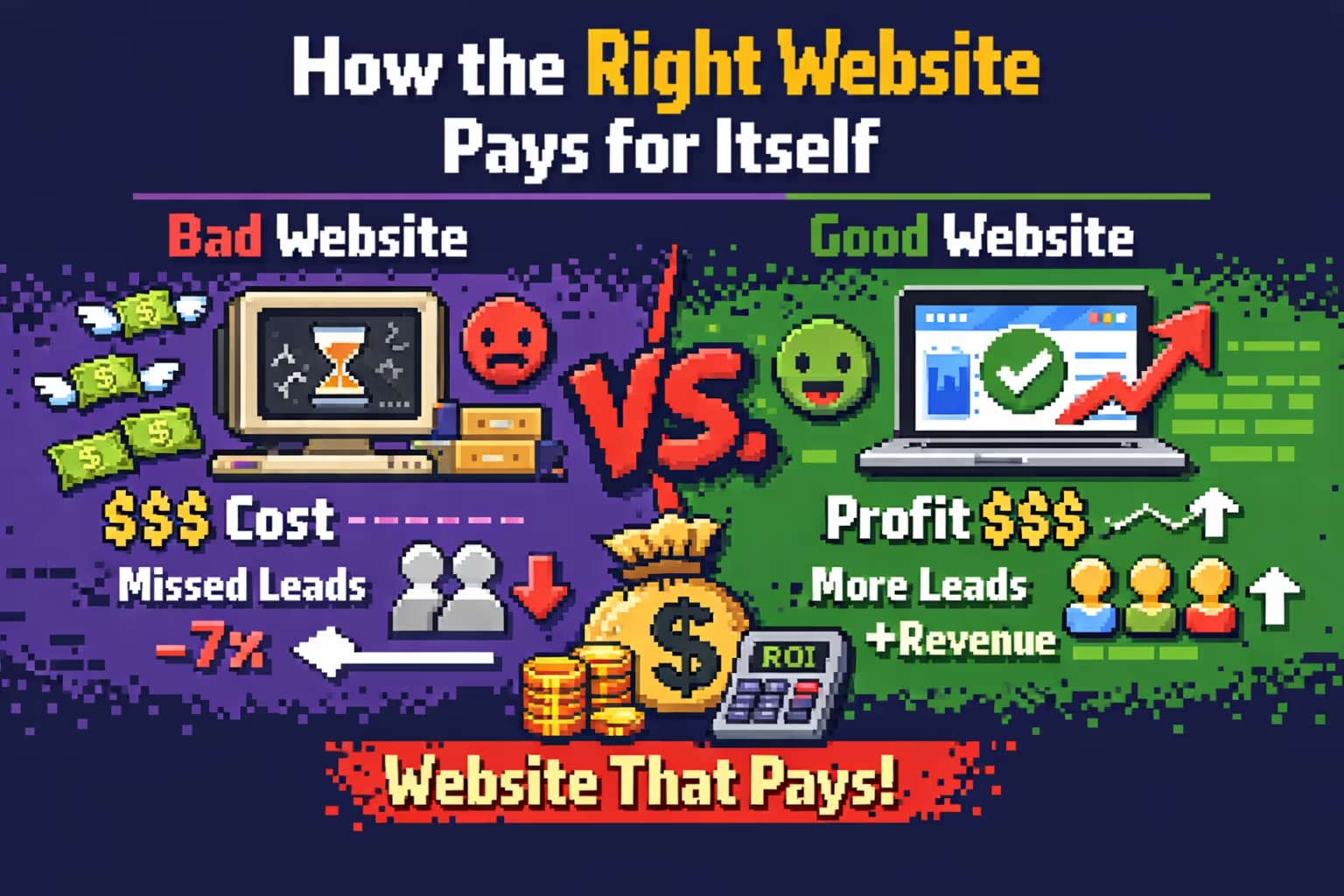
Businesses that want a professional website that actually ranks on Google, loads fast, and their marketing team can update without calling a developer every time.
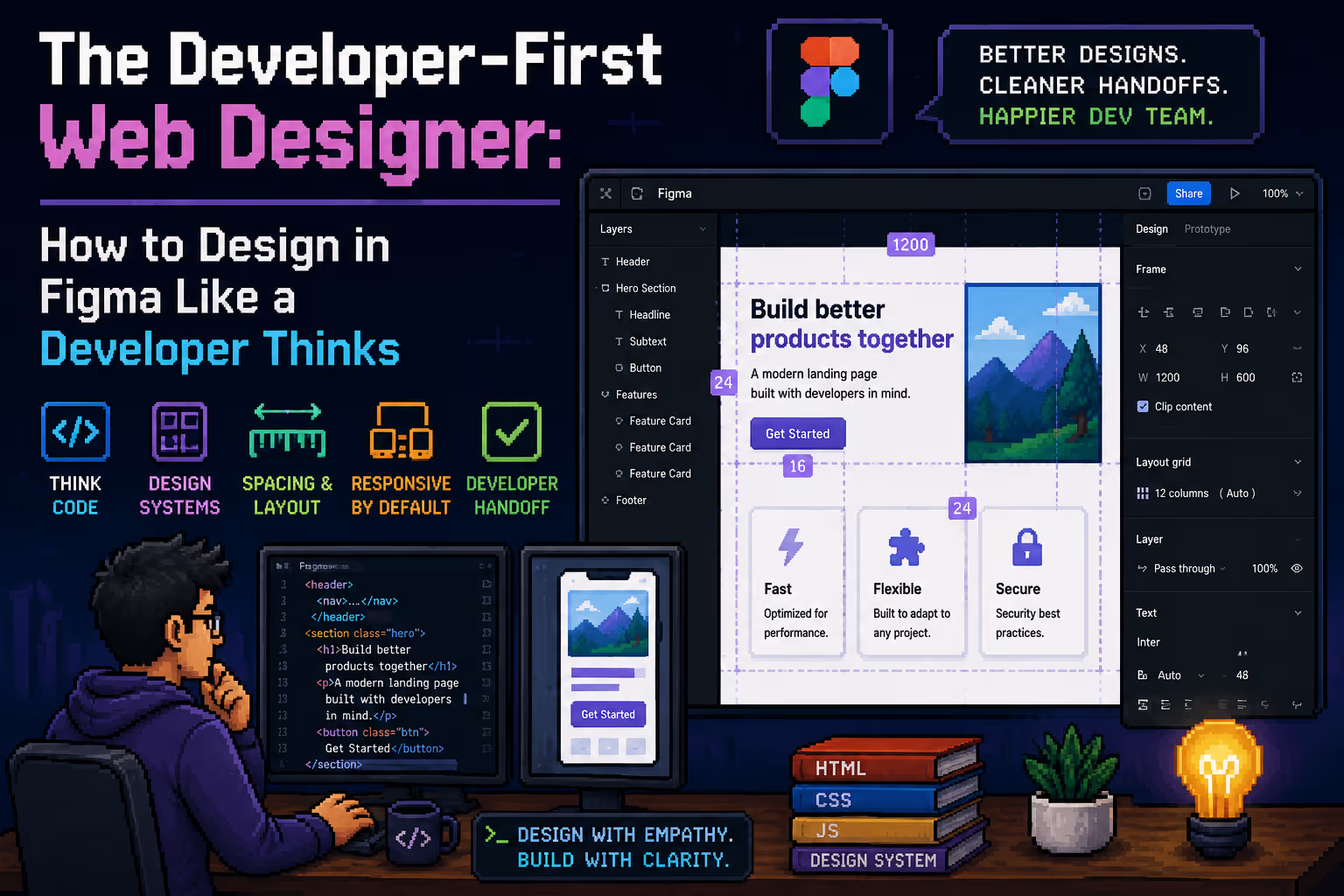
Designers who are tired of handing off Figma files. With Webflow, you design and build, or you hand off to a Webflow developer who rebuilds your Figma file pixel-perfectly. See how this works in practice in our Figma to Webflow guide.
Agencies and freelancers that want to build fast, charge well, and deliver something truly custom to every client.
Developers who want speed without sacrificing control. Webflow handles the repetitive visual work. You focus on the custom logic, integrations, and code components that actually require development expertise.
Webflow vs. Everyone Else
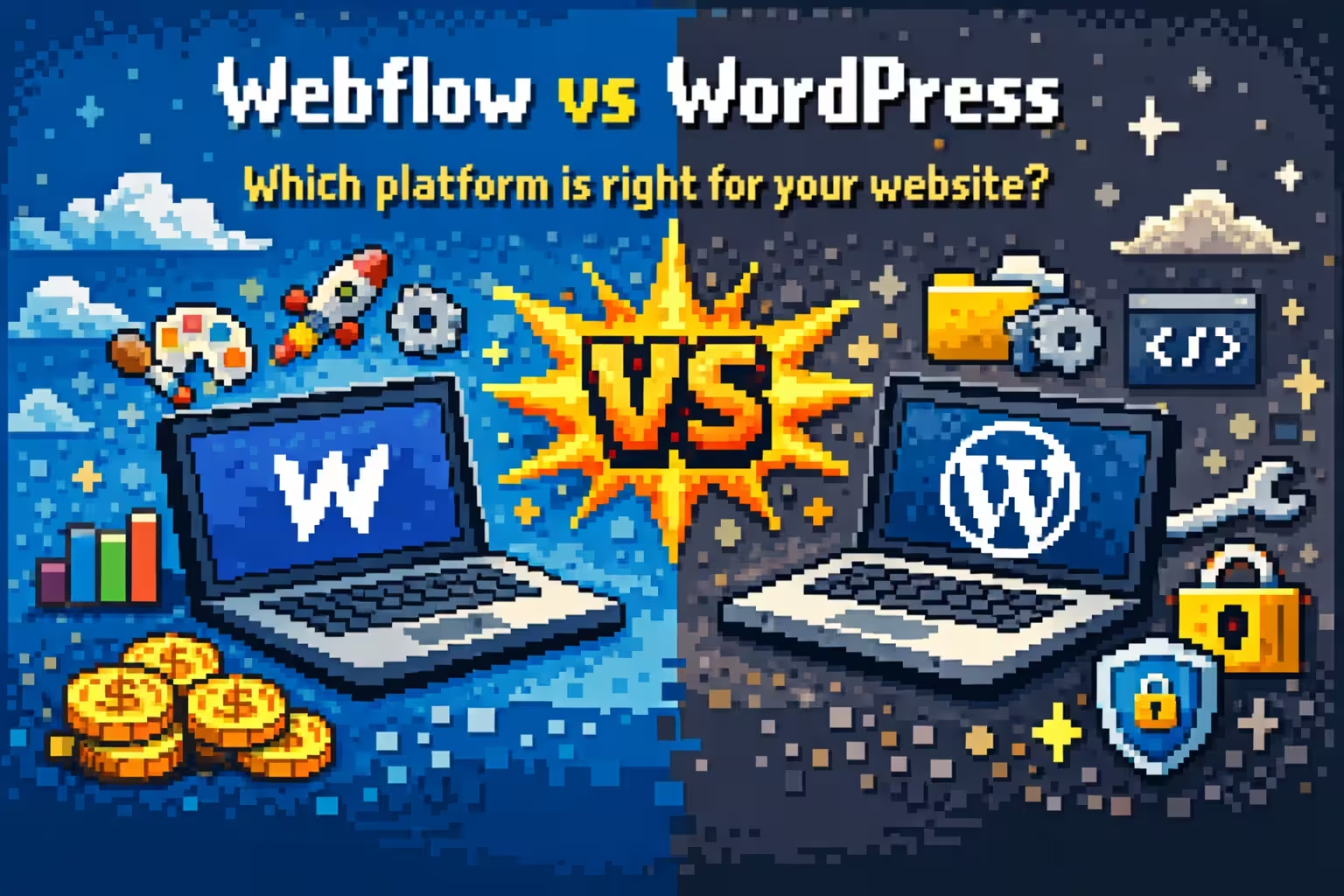
Webflow vs. WordPress. WordPress is free to start, but once you add hosting, security, plugin updates, caching, and design tools like Elementor, the cost adds up fast. And managing plugins is a full-time job. Having a WordPress site is often about fixing issues. Having a Webflow site is about growing.
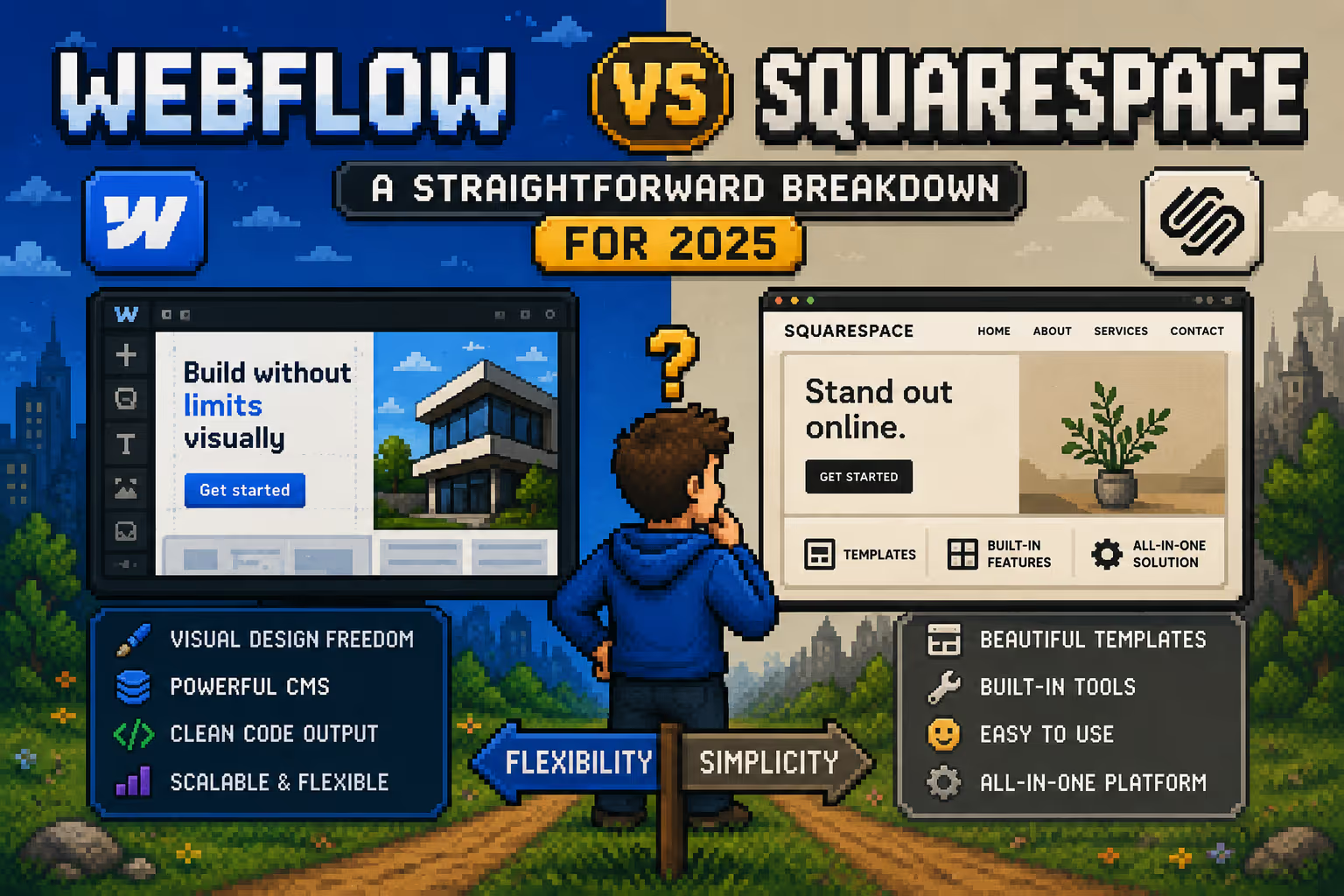
Webflow vs. Wix and Squarespace. These tools are made for non-technical people who need a simple site quickly. If that's you, they work fine. But if you need your site to rank, convert, and scale, Webflow is in a different league.
Webflow vs. Shopify. Shopify wins for physical product stores, full stop. The checkout experience, inventory management, and ecommerce-first features are unmatched. That said, many businesses use Webflow as their main marketing site and Shopify for their store, connecting the two to get the best of both worlds.
Should You Use Webflow?
If you want a website that looks custom, loads fast, ranks on search engines, and your team can actually manage, the answer is almost certainly yes.
The only real question is how you get there: DIY, hire a Webflow freelancer, or work with a Webflow agency.
In 2026, with AI doing more of the heavy lifting, building on Webflow has never been more accessible. But the ceiling on what you can build? Higher than ever.

Milan Kostic
Freelance Webflow Developer