Why SaaS companies should move to Webflow in 2026

The SaaS landscape has changed significantly over the past few years. Products are more complex, competition is stronger, and user expectations are higher than ever. A SaaS website is no longer just a marketing presence, it's a critical part of the sales funnel, brand perception, and growth strategy. Because of that, choosing the right web platform has become a strategic decision.
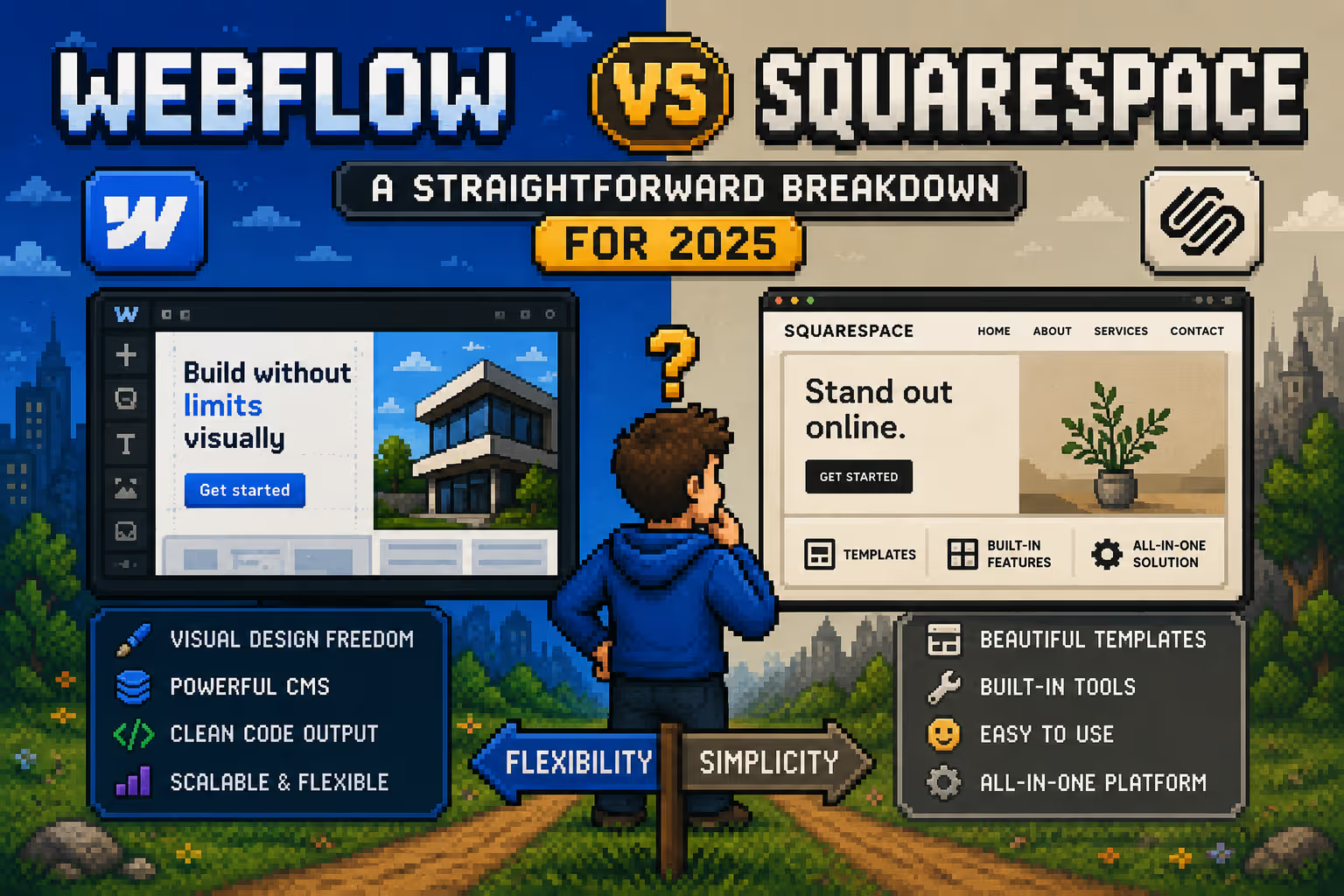
In 2026, Webflow will increasingly position itself as a serious, long-term solution for SaaS companies that need speed, flexibility, and control. For a deeper look at what Webflow actually is and how it compares to alternatives, see our complete Webflow overview.
The website as an active part of the product
For most SaaS companies, the website is the first real interaction users have with the product. Landing pages, pricing, documentation, blog content, use cases, and onboarding resources all directly impact conversions and growth. When every small change requires developer time, deployments, or complex workflows, marketing teams lose momentum.
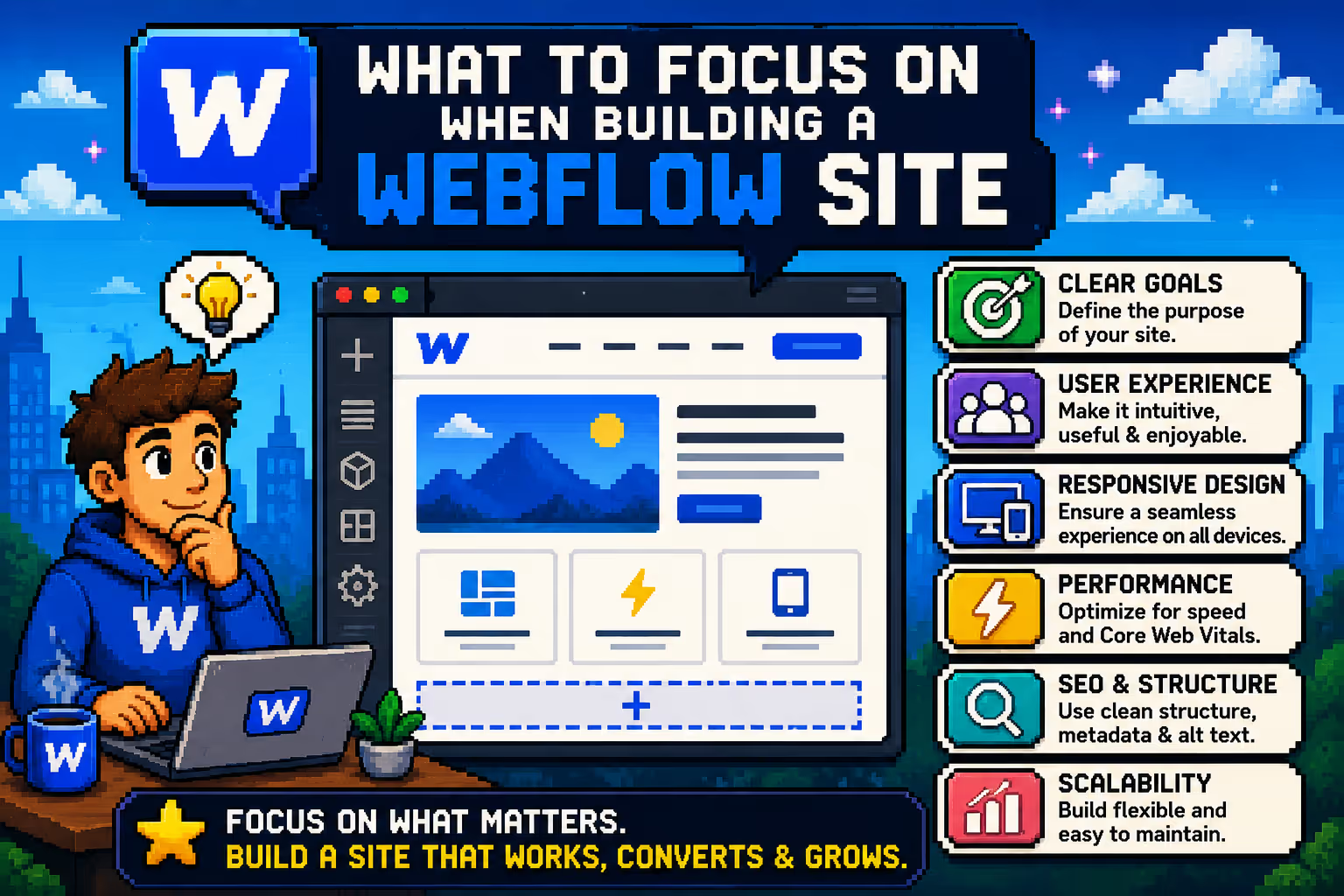
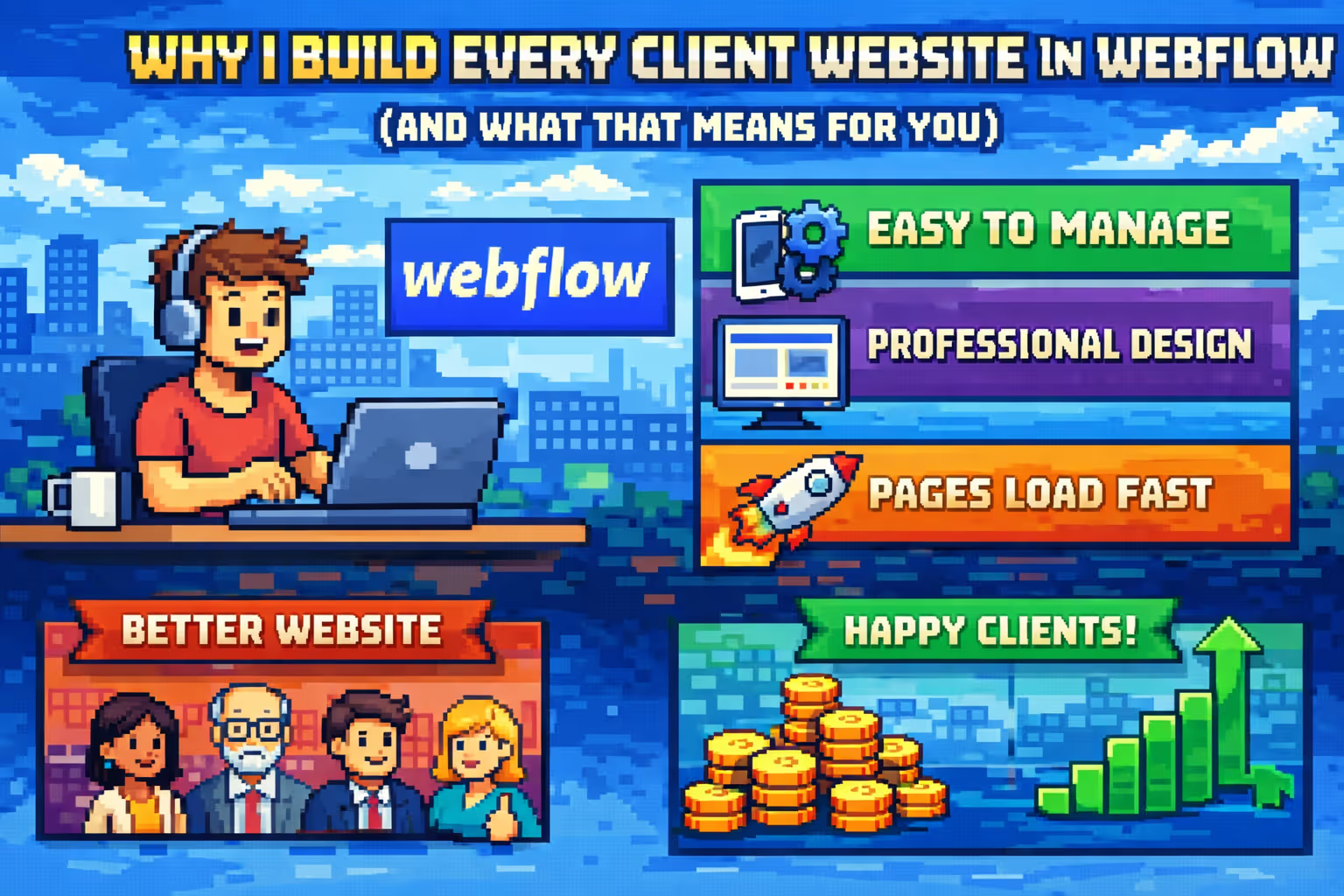
Webflow allows marketing and growth teams to move quickly without sacrificing quality. Copy updates, layout changes, and structural improvements can be made immediately, removing unnecessary technical bottlenecks.
Performance as a baseline, not a bonus
Performance is no longer optional. Page speed directly affects SEO, conversion rates, and overall user experience. Many SaaS websites struggle with bloated themes, excessive plugins, and fragile setups that slow everything down.
Webflow outputs clean, semantic HTML, optimized CSS, and runs on fast, globally distributed hosting. CDN, SSL, and performance optimizations are built into the platform, reducing the need for third-party tools or constant fine-tuning.
Full SEO control without technical overhead
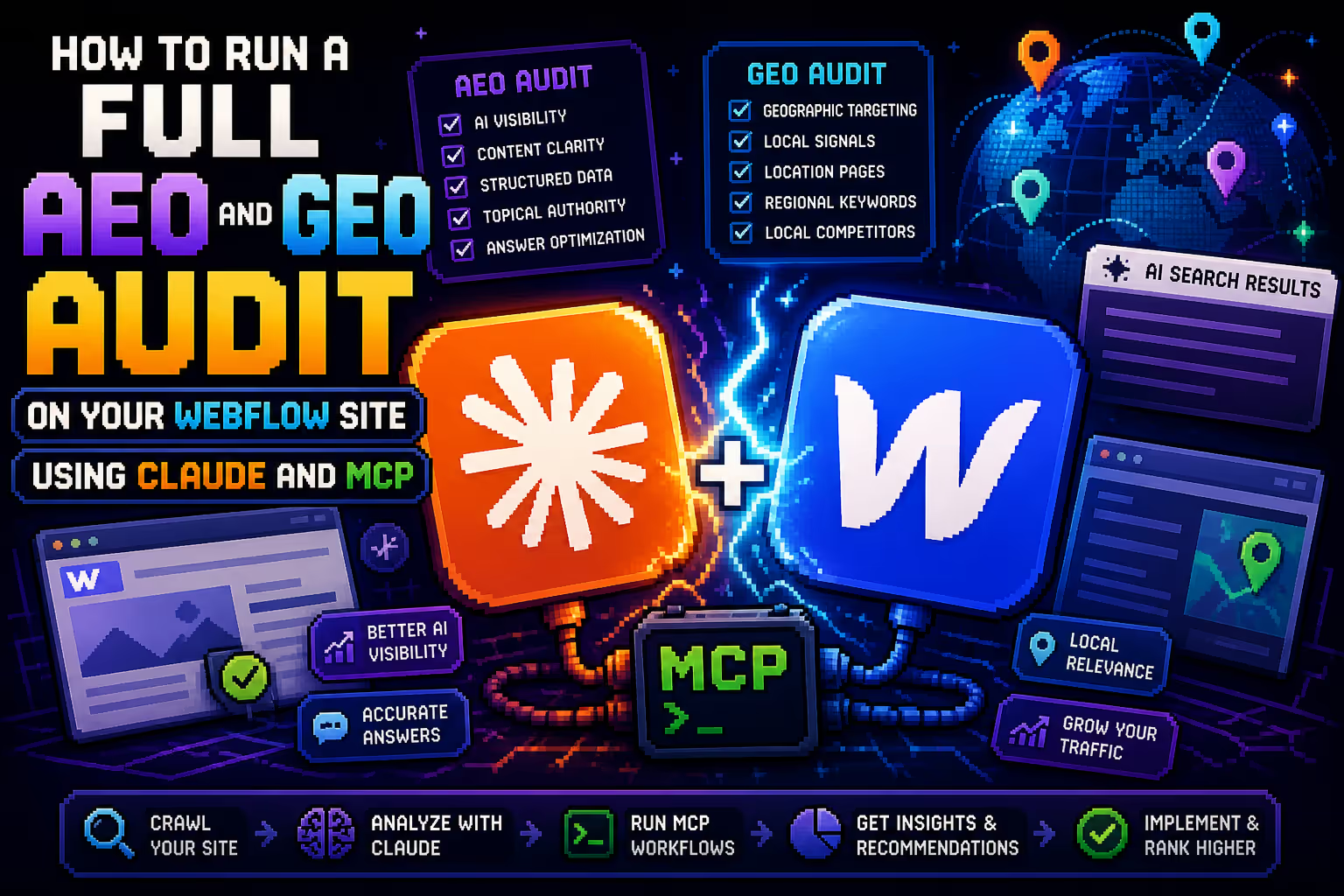
For SaaS companies, organic traffic remains one of the most valuable long-term growth channels. Blog content, resource hubs, and landing pages need to be technically sound and easy to optimize. Everything you need to know about how Webflow handles SEO is covered in the Webflow SEO deep-dive.
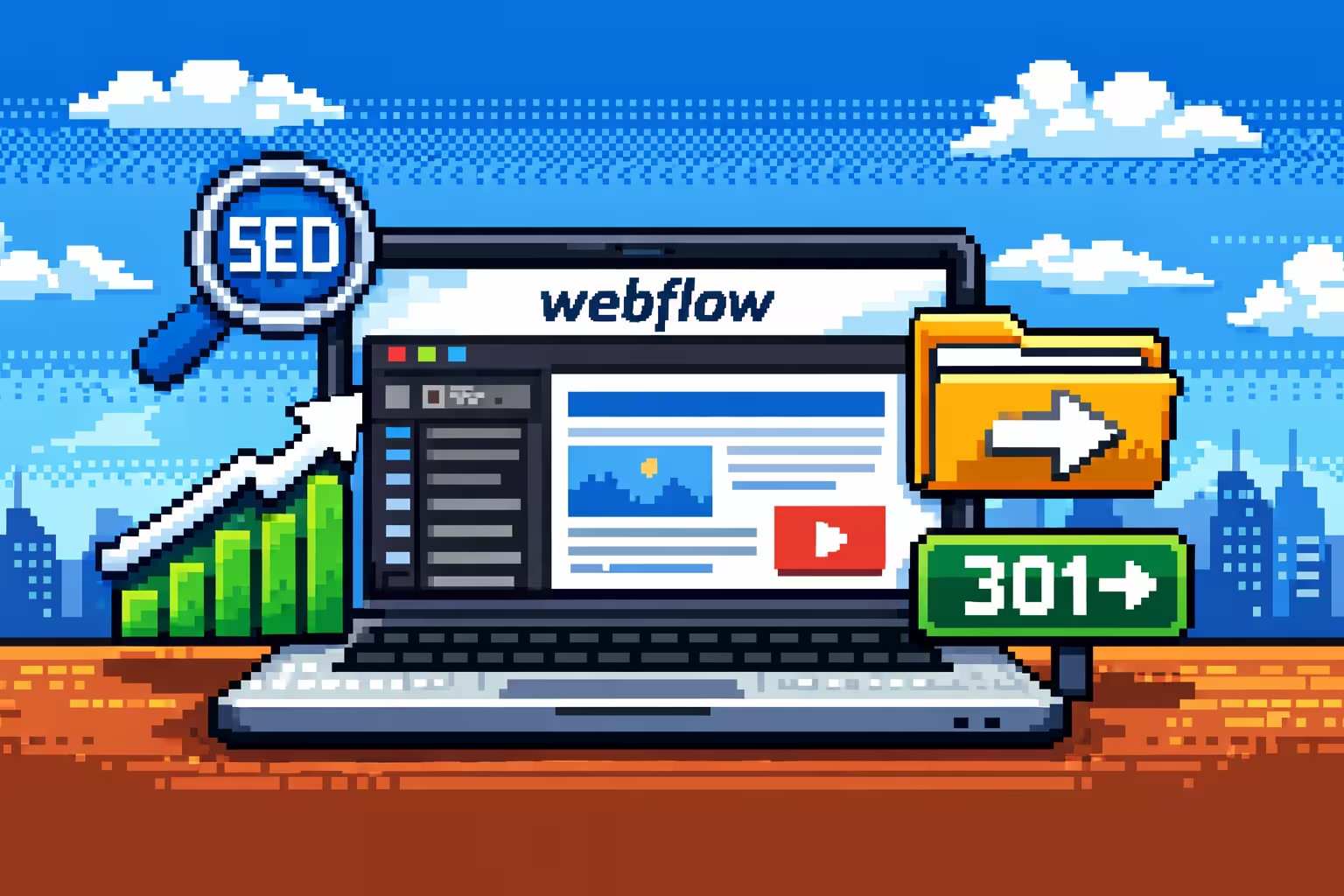
Webflow provides full control over title tags, meta descriptions, URL structures, heading hierarchy, alt text, and 301 redirects. Its CMS enables scalable, SEO-friendly content creation without relying on plugins or fragile custom solutions.
A scalable CMS built for growing content needs
As SaaS products grow, content grows with them. Case studies, integrations, documentation, changelogs, feature pages, and blog posts all need to live in a structured system.
Webflow CMS allows teams to model content in a flexible way that supports long-term growth. Once the structure is set correctly, new pages can be added quickly without breaking design consistency or user experience.
Better collaboration between design, marketing, and development
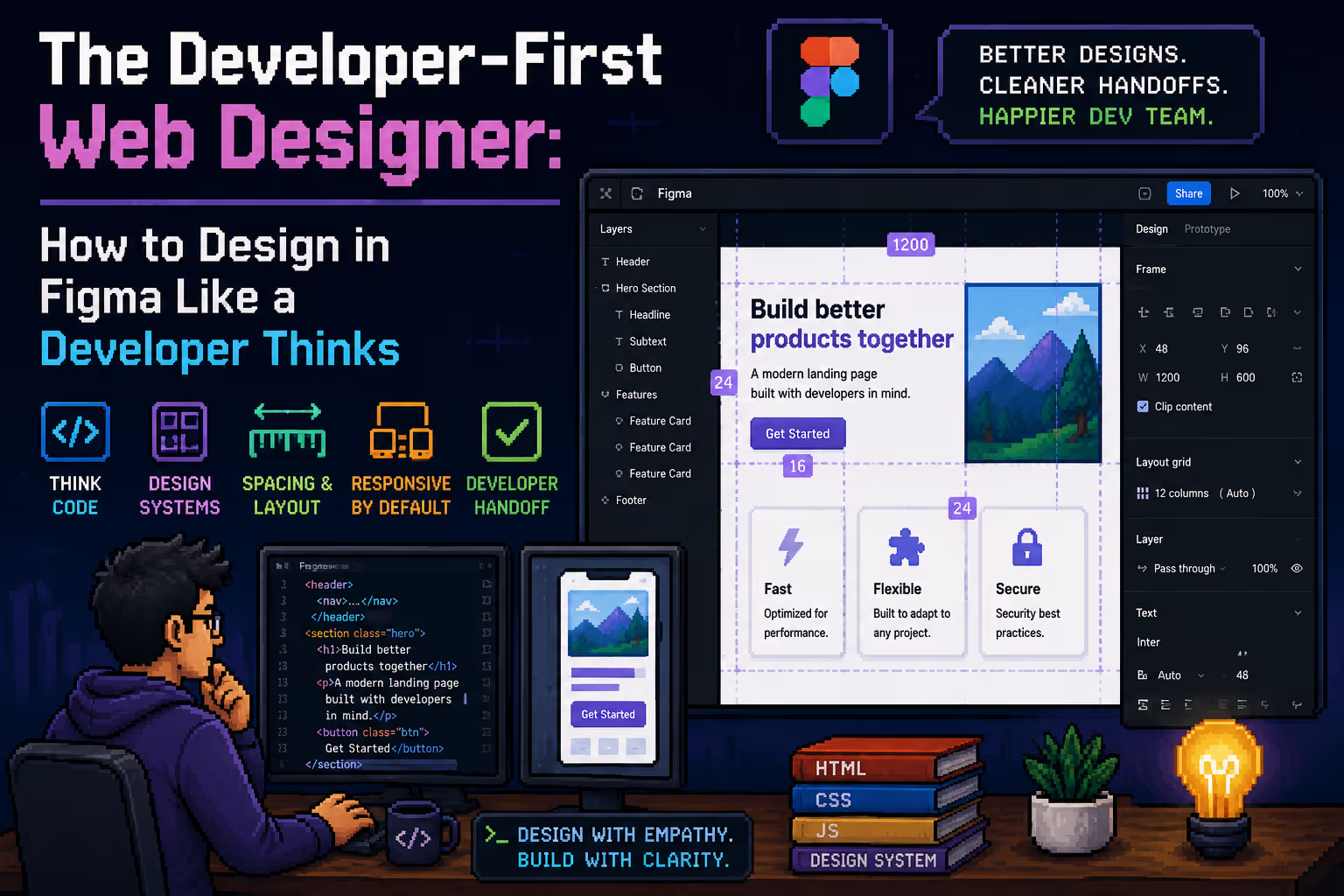
A common challenge for SaaS teams is the disconnect between design, marketing, and development. Designs live in Figma, development timelines slip, and marketing teams wait.
Webflow significantly reduces that gap. Designs can be translated into production with high fidelity, while updates remain iterative and controlled. This enables faster testing, easier experimentation, and continuous improvement of the website.
Less maintenance, more focus on the product
Unlike platforms that require constant updates, plugin maintenance, and security checks, Webflow removes much of that operational overhead. SaaS teams can focus on building and improving their product instead of maintaining website infrastructure.
Reducing technical debt leads to fewer unexpected issues and a more stable foundation for long-term growth. For teams actively considering a migration, the B2B SaaS migration checklist walks through the entire process step by step.
Webflow as a long-term SaaS strategy
In 2026, Webflow is no longer a "no-code experiment." It's a mature platform used by startups, scaleups, and established SaaS companies alike. Its value isn't in replacing backend systems or application logic, but in providing a fast, scalable, and flexible web layer that evolves alongside the product.
For SaaS teams that prioritize speed, performance, and full control over their web presence, moving to Webflow is becoming a logical next step.

Milan Kostic
Freelance Webflow Developer