Why I build every client website in Webflow (and what that means for you)
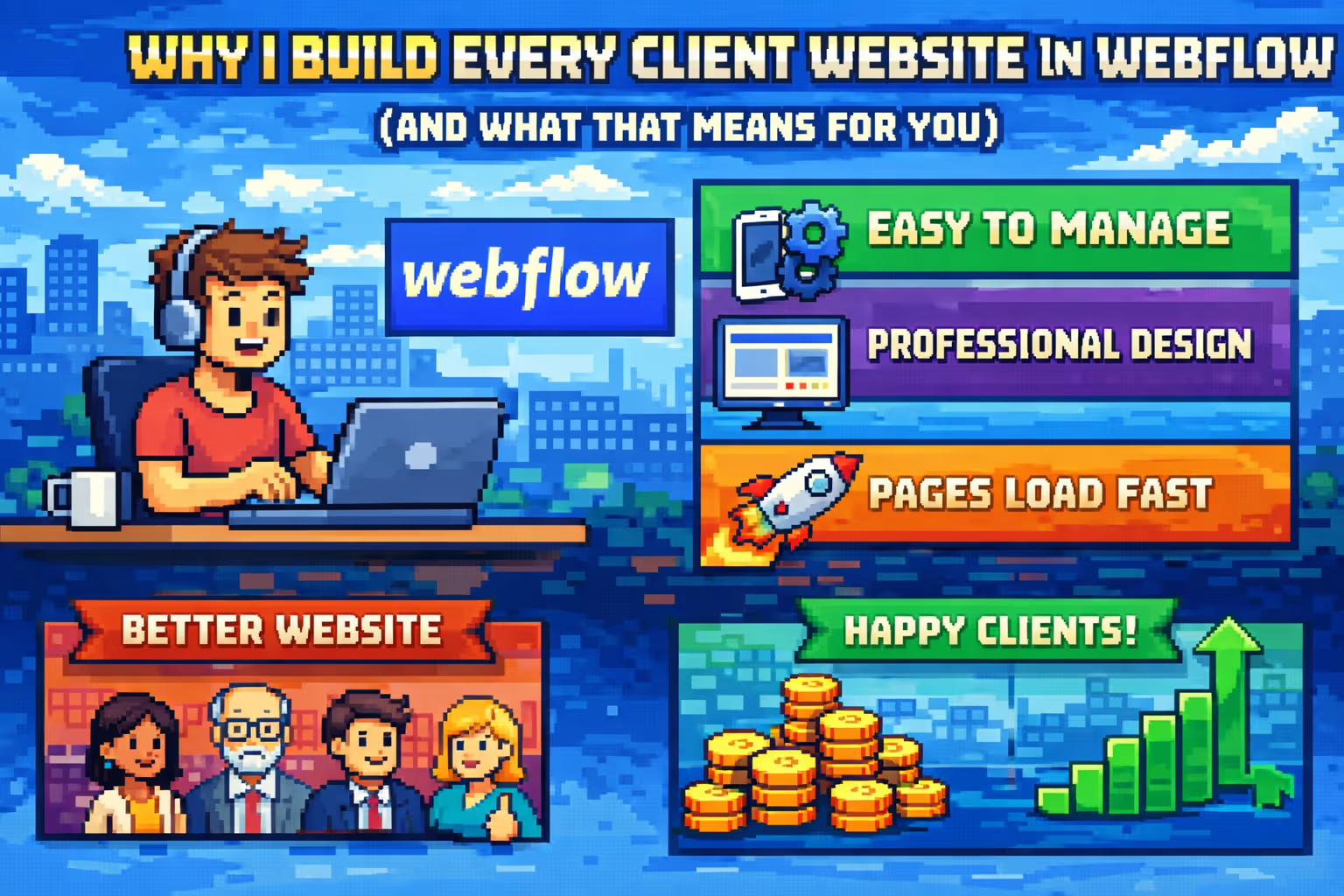
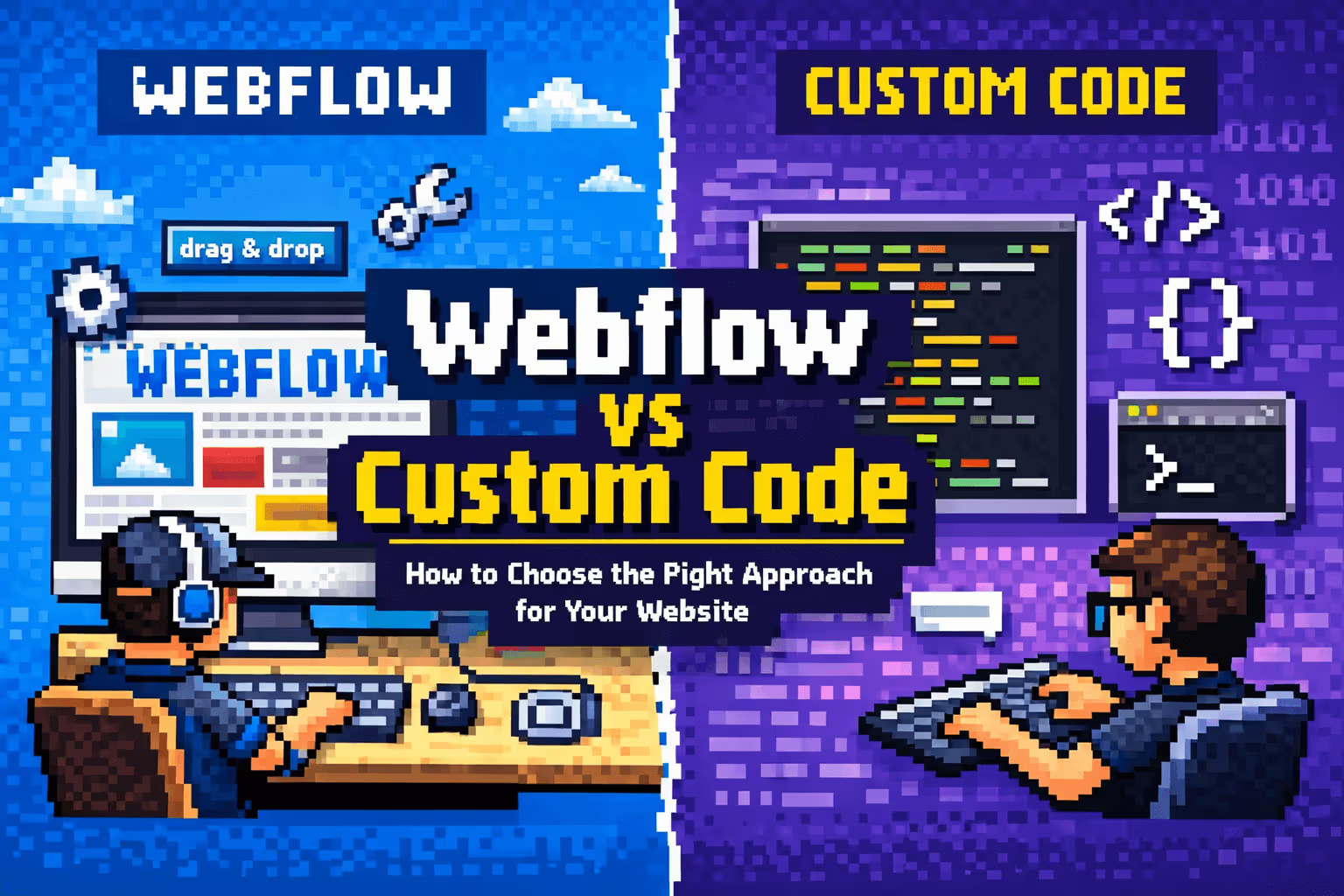
When a client asks me what platform I'll build their site on, they're usually expecting a complicated answer. Instead, I say the same thing every time: Webflow.
Not because it's the only option. Because after working with multiple platforms, it's consistently the right one for small business marketing websites. If you want the full picture of what this platform actually is, here's a complete guide to what Webflow is in 2026. This post explains why, without the technical jargon, so you can understand what that decision means for you.
The platform most people start with, and why it creates problems
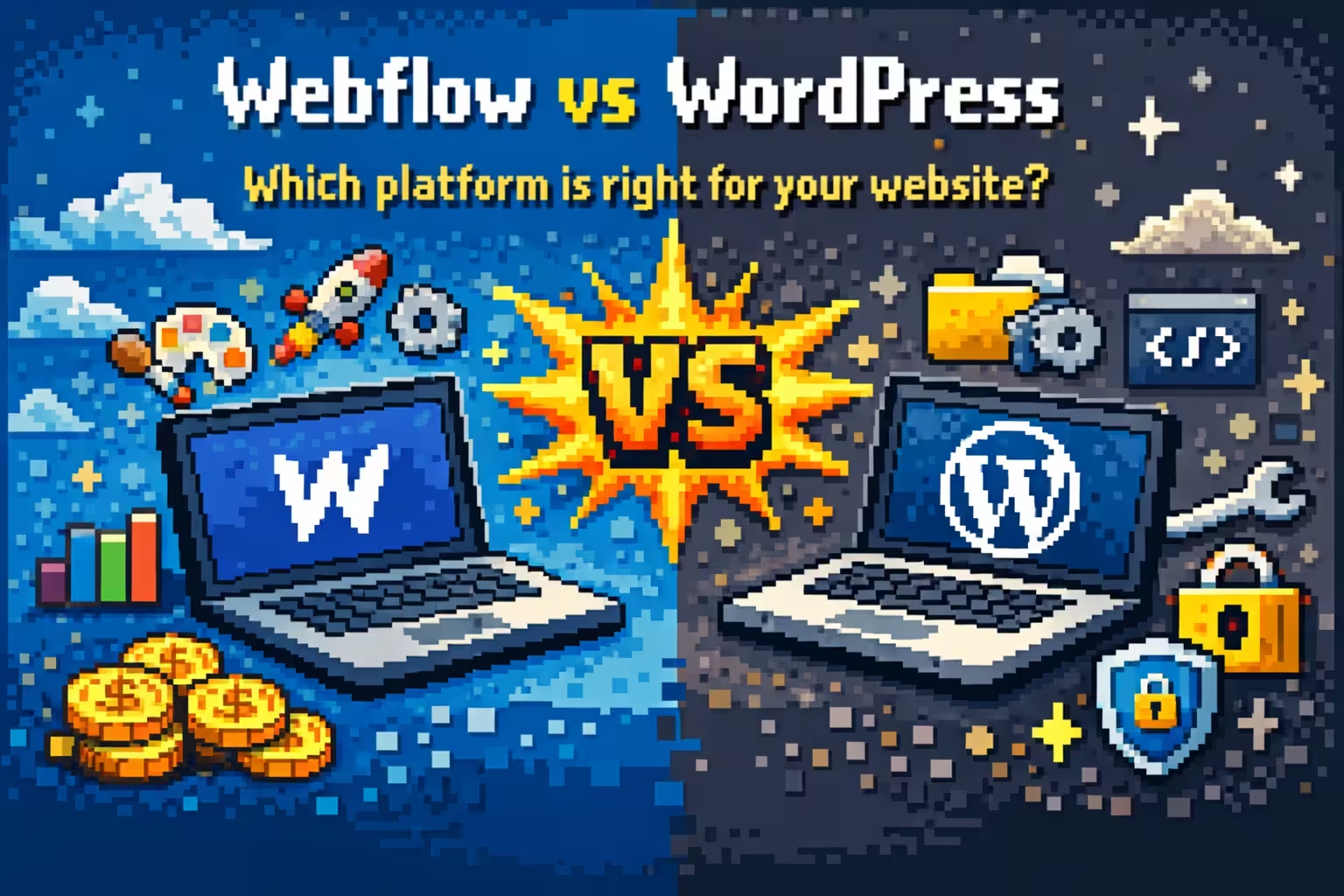
WordPress powers over 40% of all websites globally. It's been around since 2003, it's free to start, and there are endless tutorials for it. For a lot of businesses, it's the default choice simply because it's the most familiar name.
But familiarity and the right fit are different things.
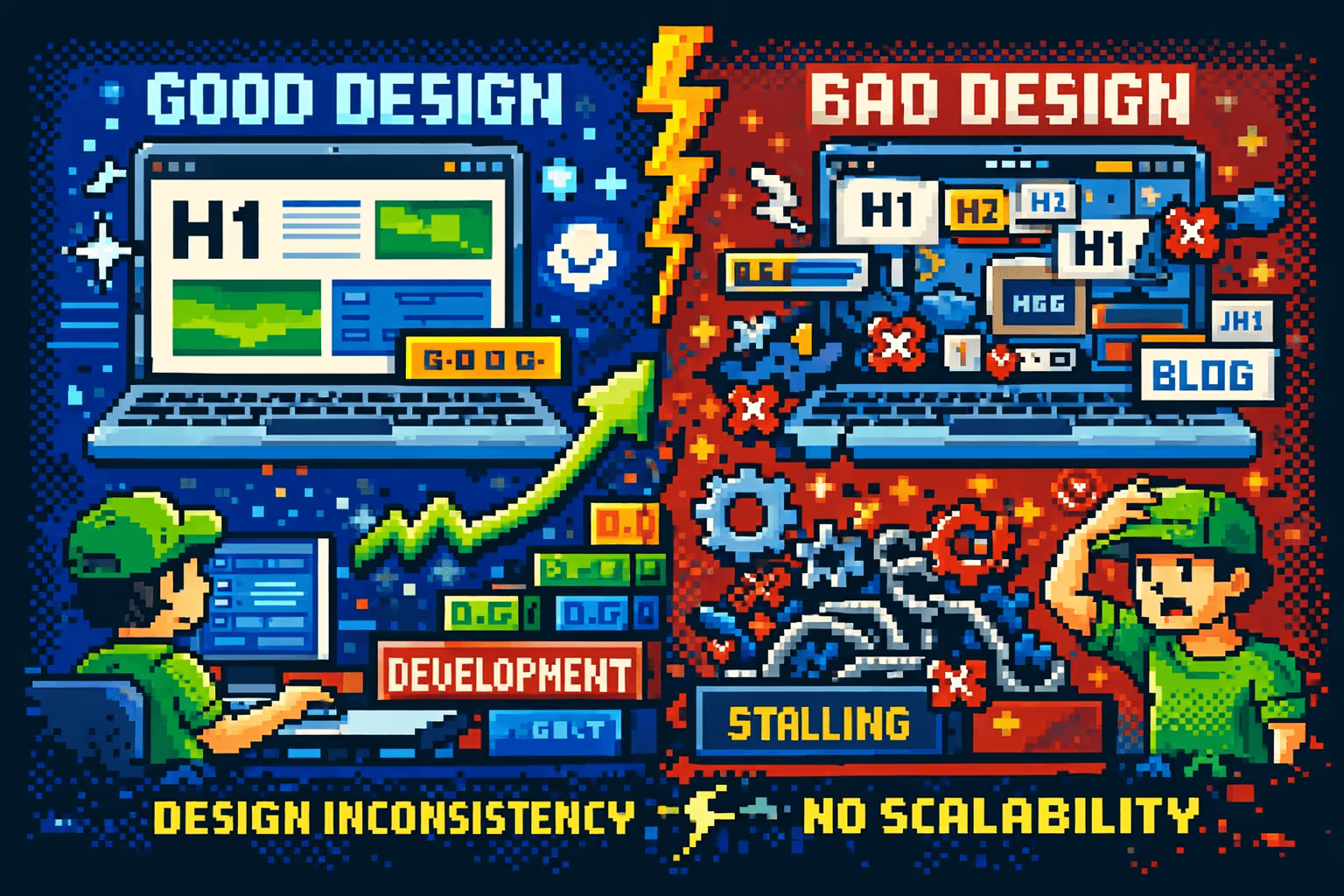
WordPress is built around plugins. Every feature your site needs, contact forms, SEO tools, performance optimization, security, is typically handled by a separate third-party plugin. The WordPress Plugin Repository now hosts nearly 60,000 free plugins. That sounds like a strength, and in some cases it is. But for a small business marketing website, it creates a maintenance burden that most business owners aren't prepared for.
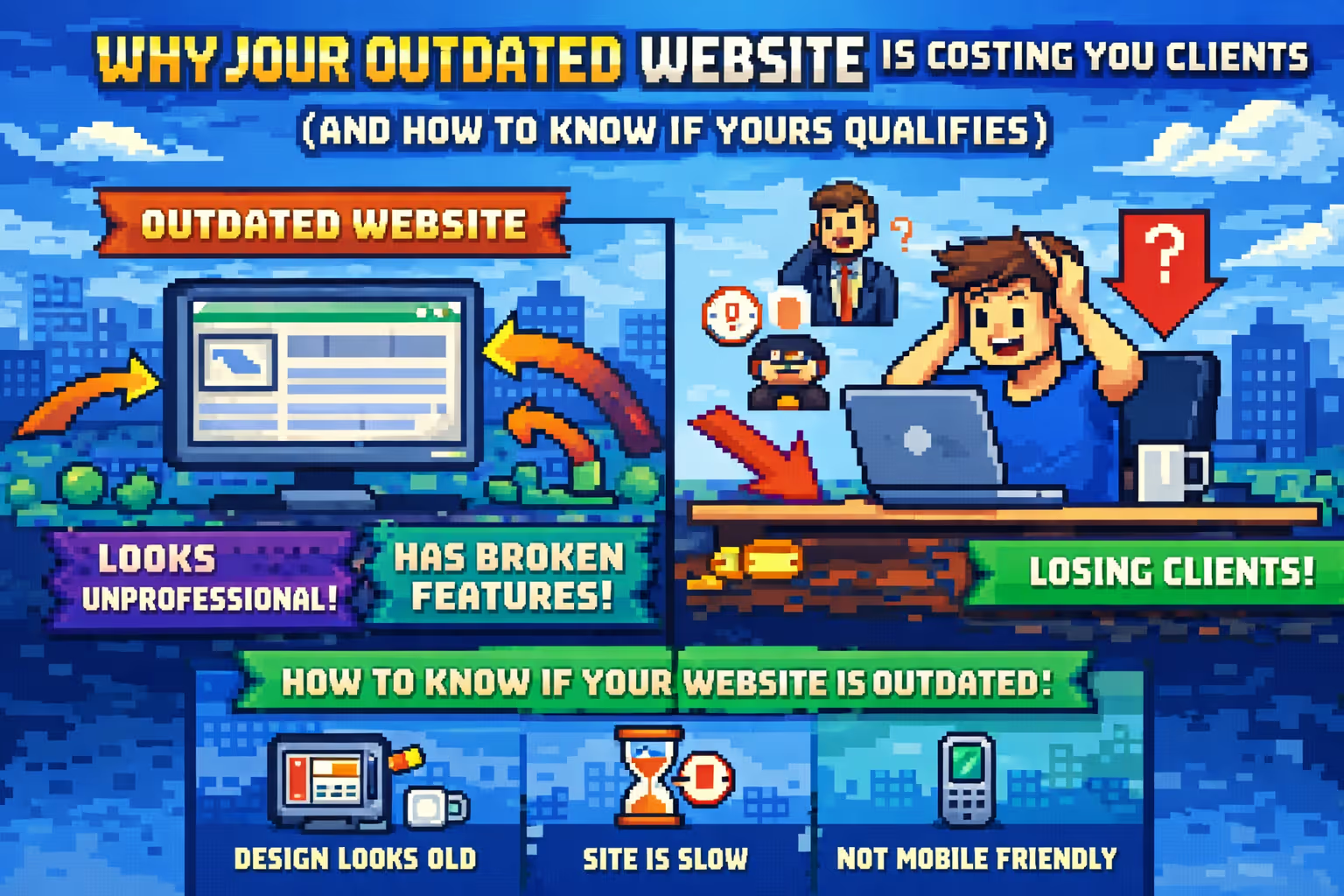
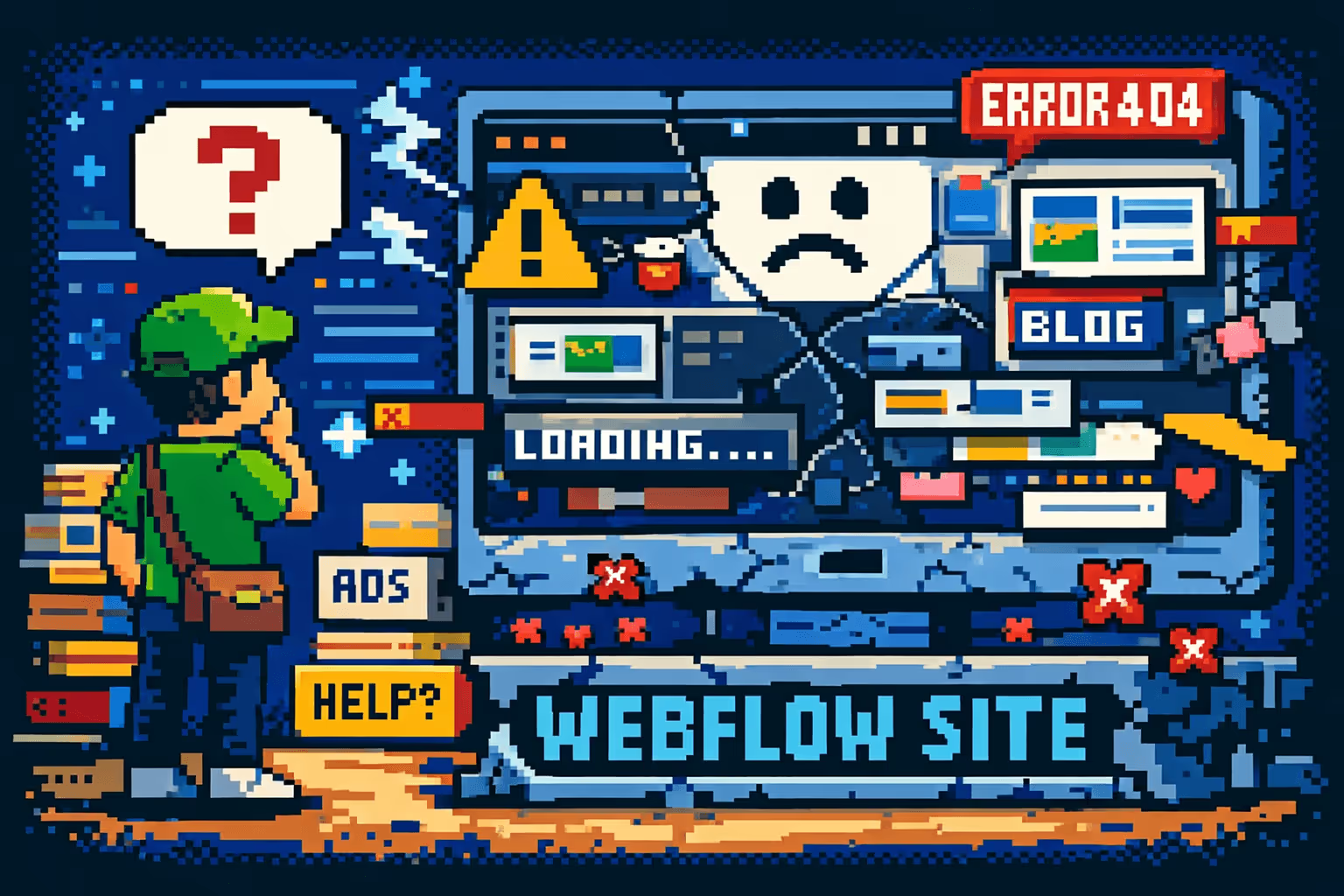
Plugins need to be updated constantly. When they conflict with each other, your site breaks. When they're left outdated, they become security vulnerabilities. 43% of cyber attacks target small businesses with outdated platforms. Outdated websites cost businesses more than most owners realize. Most of those attacks aren't targeted. They're automated scripts scanning for sites running old plugin versions.
The result is a site that requires ongoing technical attention just to stay functional, before you've even thought about growing it.
Why Webflow works differently
Webflow is built as an all-in-one platform. It includes hosting, a CMS, and built-in SEO tools, with SSL certificates and CDN integration without requiring additional plugins. The things that require separate plugins on WordPress are simply part of how Webflow works.
That has two practical consequences for you as a business owner.
First, your site is faster and more secure out of the box. Webflow's hosting runs on Amazon Web Services with a global CDN, which means your site loads quickly for visitors regardless of where they are. There's no plugin layer slowing things down, and no outdated third-party code creating security gaps.
Second, you don't need a developer for routine maintenance. On a WordPress site, small updates can trigger unexpected breakages if plugins aren't compatible. On Webflow, the platform handles updates itself. Webflow handles all software updates, hosting, and backups automatically. You're not managing a technical stack. You're managing your content.
What you can actually do yourself
This is the part that matters most to small business owners.
Webflow has a built-in Editor that lets you update text, swap images, add blog posts, and make content changes directly on your live site, without touching any code and without calling me. It works like editing a document. You click on what you want to change, type the new content, and save.
That means when you hire a new team member, update your pricing, or want to publish a blog post, you can do it yourself. The site I hand over to you isn't just a finished product. It's a tool you can actually use.
Webflow also cuts development time in half compared to WordPress, which means your project moves faster and stays within budget. Less time fighting with the platform means more time spent on the things that actually improve your site.
What Webflow is and isn't the right choice for
Webflow scales well beyond small business websites. It's used by companies like Dropbox, Zendesk, and Dell for their marketing sites, and agencies around the world use it to build and manage enterprise-level web presences. For marketing websites of any size, it holds up.
Where Webflow isn't the right fit is large-scale e-commerce with hundreds of products and complex inventory management, or projects that need deep backend customization, custom databases, and server-side logic. For those specific cases, WordPress or a custom-built solution makes more sense.
But for marketing websites, whether you're a solo business owner or a company with a full marketing team, Webflow is the cleaner, more reliable choice in almost every case.
What this means for your project
When you work with me, you're getting a site built on a platform that was designed for exactly this use case. Clean code, fast performance, built-in SEO controls, and a CMS you can manage without help.
You won't need to worry about plugin updates. You won't need to call a developer every time you want to change a headline. And you won't be handed a finished site with no idea how to use it.
If you want to see what that looks like in practice, get in touch and I'll walk you through a live example.
Let's talk about your website →
Want to understand how Webflow handles SEO? Here's the complete Webflow SEO guide for 2026.

Milan Kostic
Freelance Webflow Developer