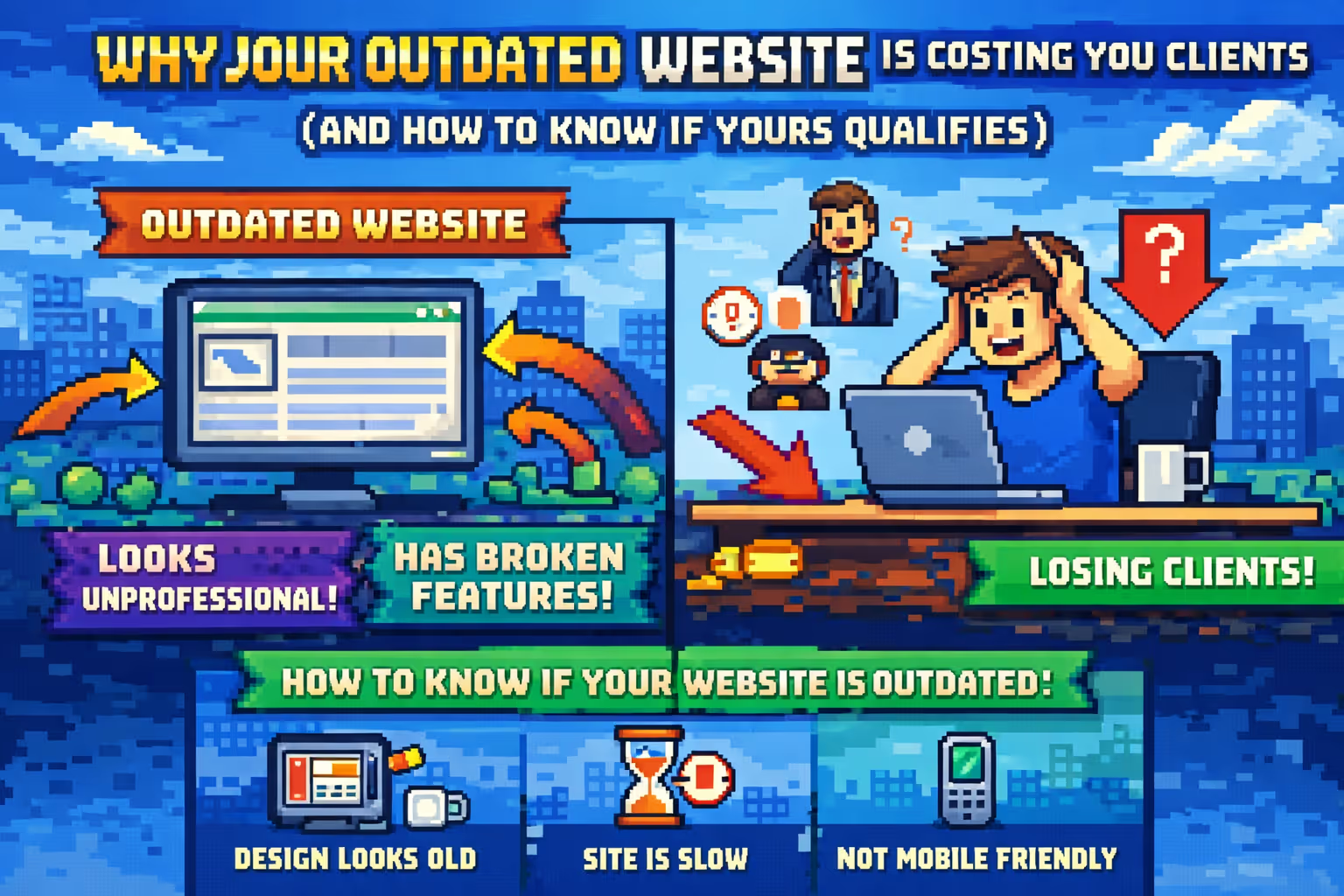
Why your outdated website is costing you clients (and how to know if yours qualifies)
Most business owners don't think of their website as a problem. It exists, it loads, it has their phone number on it. That feels like enough.
But 60% of small businesses lose customers directly because of website issues, and the majority of those businesses have no idea it's happening. There's no notification. No missed call alert. Just a potential client who landed on your site, decided it didn't feel right, and quietly moved on to someone else.
This post is about making that invisible problem visible.
Why an outdated website loses clients silently
When someone finds your business online, they don't evaluate your services first. They evaluate your website. Research shows that users form an opinion about a site in just 50 milliseconds, before they've read a single word. In that moment, they're deciding whether you feel like a credible business or not.
If your site looks like it was built five years ago, they don't think this business needs a redesign. They think this business probably isn't the best option. Then they go back and click on your competitor.
75% of users judge a company's credibility based on its website design alone. Not your reviews, not your experience, not your pricing. Your design.
And once they leave, they rarely come back. The internet doesn't hand out second chances.
The problems you can't see from the inside
The tricky part about an outdated website is that the person who sees it most is you, and you're used to it. You know what it means, where everything is, and why it looks the way it does. Your potential clients don't have that context.
Here's what they actually experience:
It doesn't work on their phone. Over 61% of global web traffic now comes from mobile devices. If your site requires pinching, zooming, or sideways scrolling on a phone, most visitors leave immediately. As of mid-2024, Google also stopped indexing sites that aren't mobile-friendly, which means an unresponsive site doesn't just lose visitors, it disappears from search results entirely.
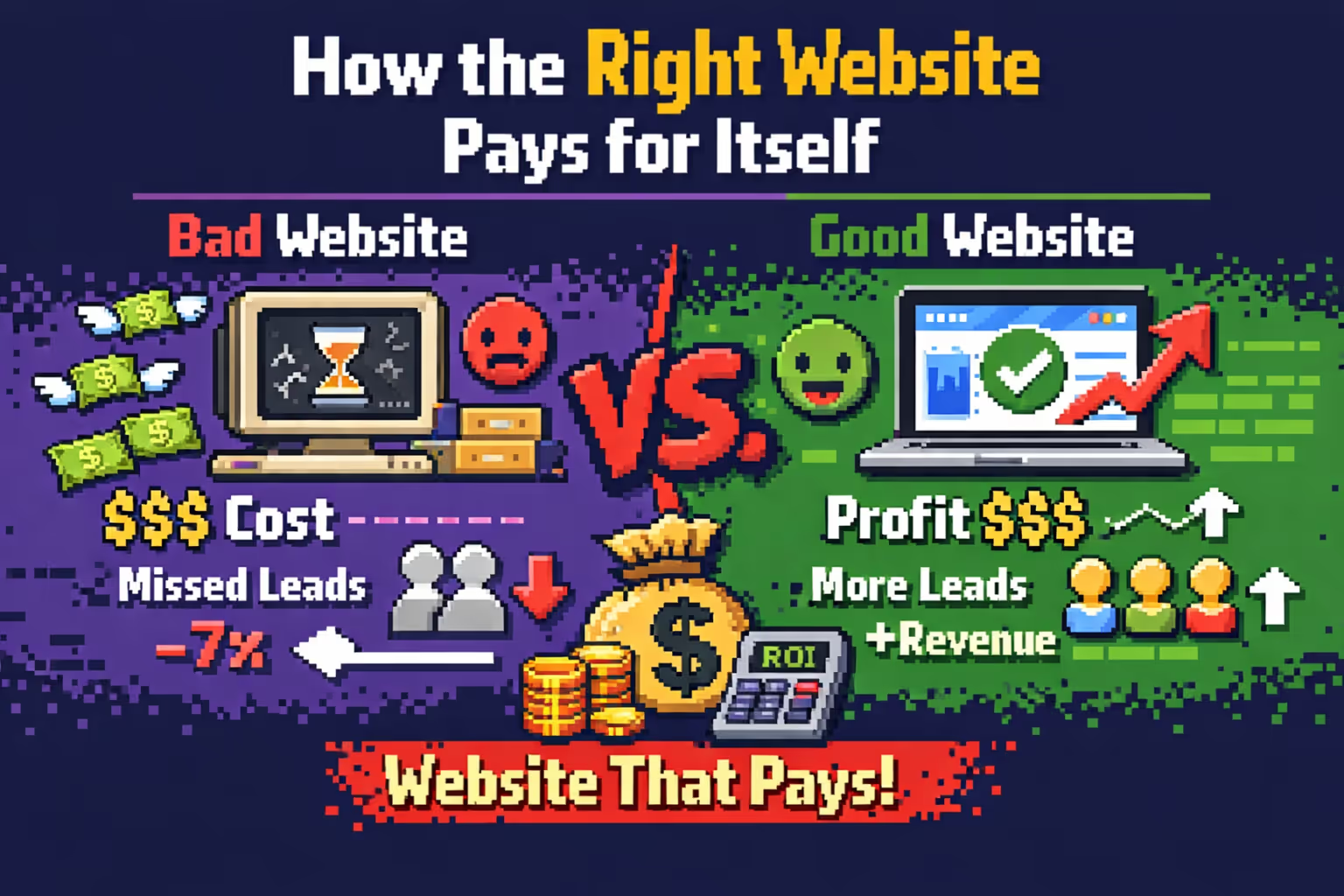
It loads too slowly. Businesses lose an estimated 7% of potential sales for every second of delay on their website. A site built years ago on outdated code and uncompressed images will never meet the speed standards users expect in 2026. If your site takes more than three seconds to load, half of your visitors are already gone.
It looks untrustworthy. An outdated design signals to a visitor that the business behind it either doesn't care about their digital presence or isn't doing well enough to invest in it. Neither interpretation is good for conversion.
How to know if your website qualifies
You don't need a developer to figure this out. Ask yourself these questions honestly:
When was your website last redesigned? If the answer is more than three years ago, it almost certainly doesn't meet current mobile and performance standards.
Does it look good on your phone? Pull it up right now on your phone and scroll through it. If anything feels cramped, misaligned, or hard to tap, your mobile visitors are experiencing the same thing.
How fast does it load? Open it on a mobile connection, not your home wifi. Count the seconds before the page becomes usable. If it's more than three, you have a problem.
Does it have a clear next step on every page? If a visitor lands on your site and can't immediately tell what to do next, whether that's book a call, get a quote, or contact you, they will do nothing.
Does it reflect your current business? If your services, photos, or messaging are outdated, you're selling a version of your business that no longer exists. If you already have traffic but aren't getting leads, this post explains how to fix conversion issues.
What it's actually costing you
The hard part about this problem is that the loss is invisible. You can't point to the client who almost called but didn't. You can't measure the quote requests you never received.
But the numbers give you a sense of the scale. Small businesses with modern websites report 15 to 50% revenue increases compared to those running outdated ones. Over 70% of small businesses report increased revenue after properly investing in their web presence.
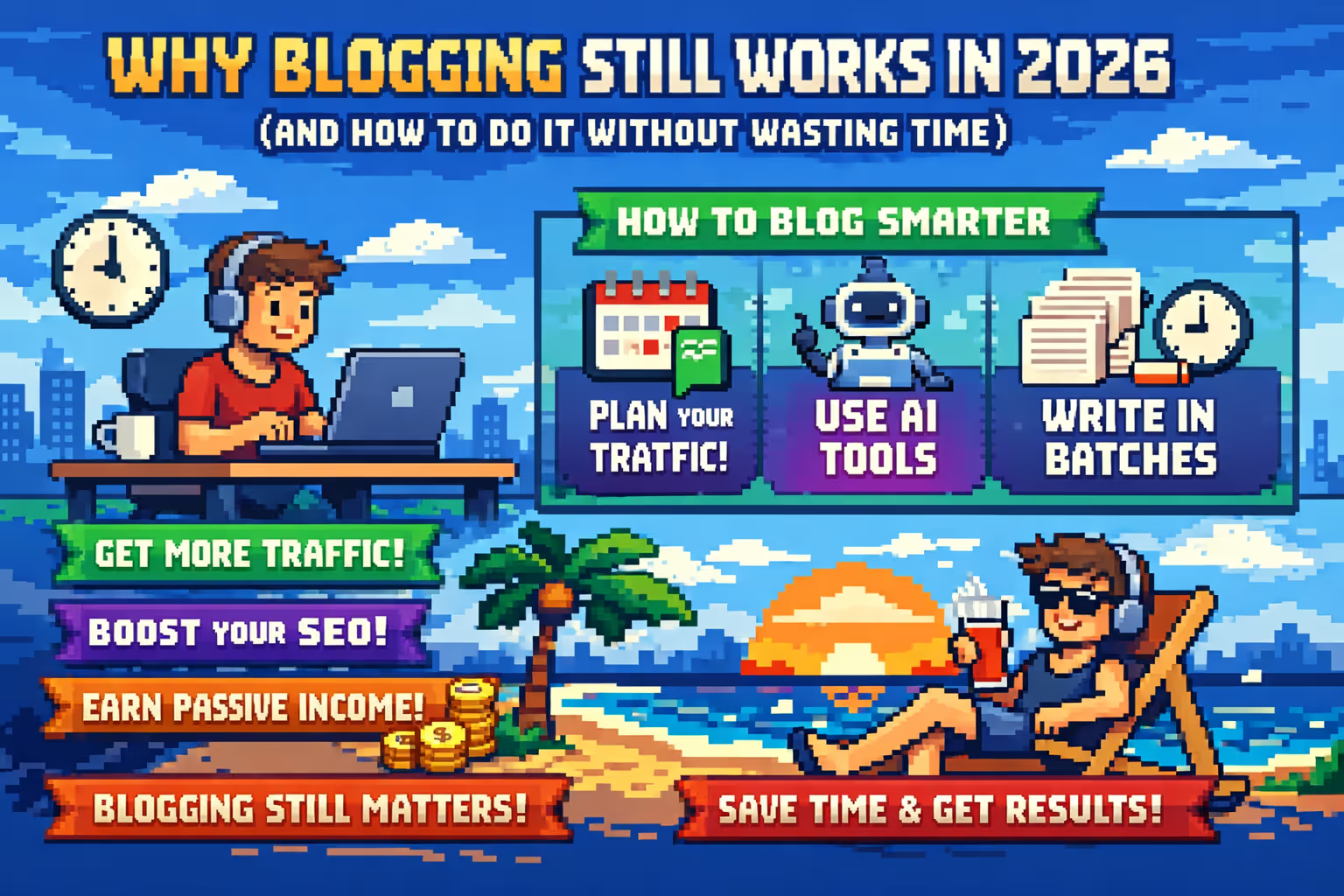
Your website works for you 24 hours a day, seven days a week. And a blog amplifies that further. Here's why blogging still works in 2026 and how to do it without wasting time. It's your digital office, and unlike a physical space, anyone in the world can walk through the door with a single click. The question is what they find when they get there.
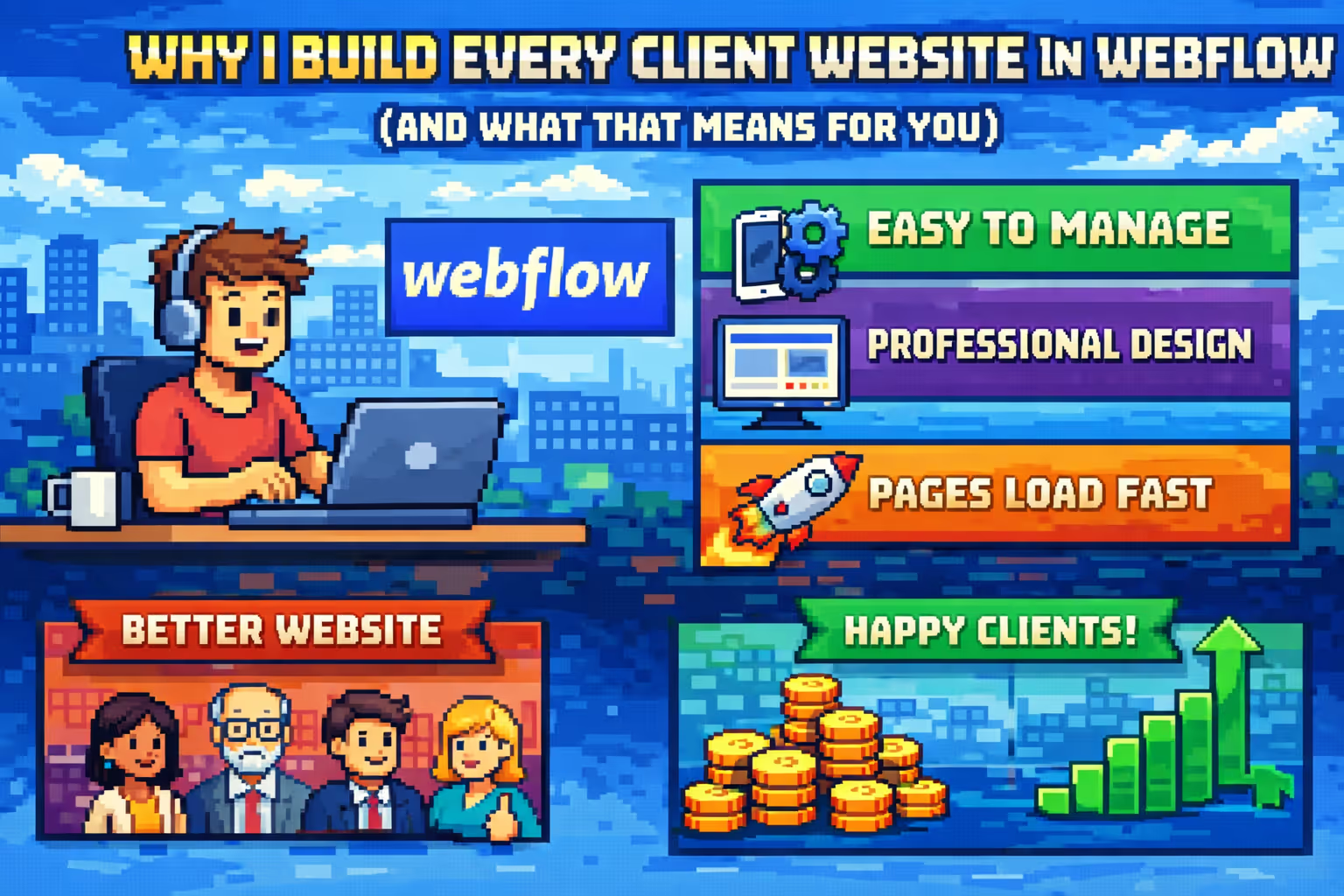
When it does come time to rebuild, here's why I build every client website in Webflow.
Ready to find out where your website stands?
Send me a message and I'll take a look at your current site. I'll tell you honestly what's working, what isn't, and what I'd prioritize fixing first. No pitch, just a straight assessment.
Get your free website review →
Curious what a proper website redesign costs? Here's a clear breakdown of business website pricing in the US.

Milan Kostic
Freelance Webflow Developer